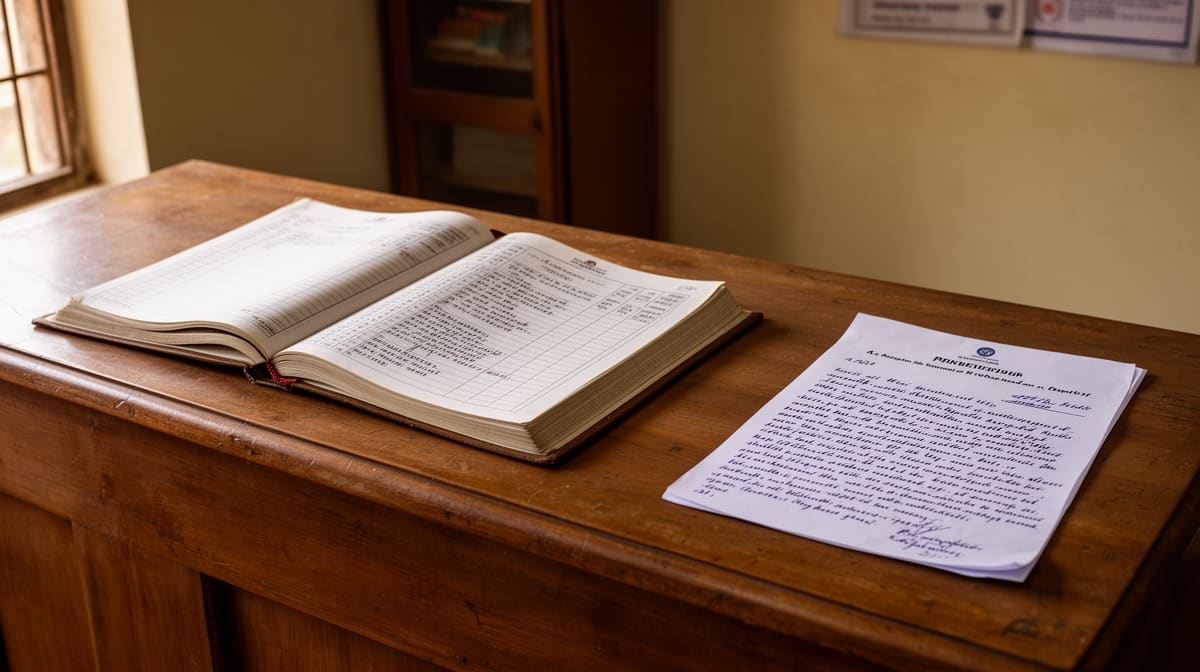
The Madras High Court has clarified that the refusal to register a gift settlement deed based solely on the testator’s death within a week of executing a will is legally unsustainable. This judgment reinforces the principle that probate is not mandatory for wills in certain jurisdictions and that registering officers cannot impose additional procedural hurdles beyond statutory requirements.
Background & Facts
The Dispute
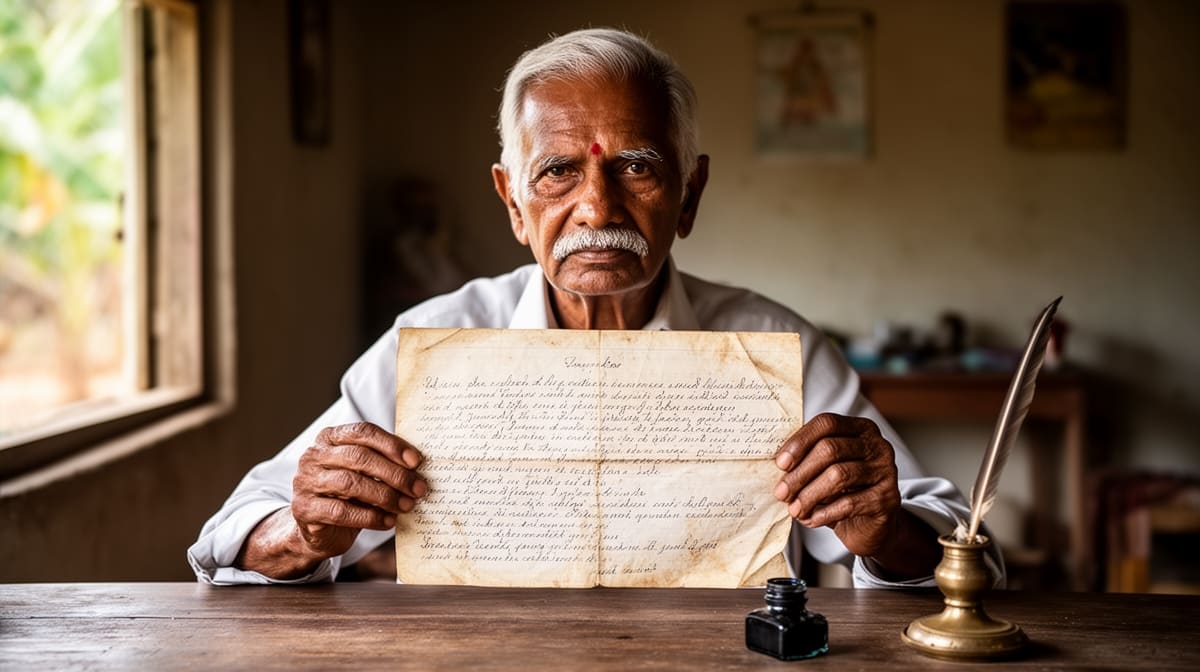
The petitioner, Senthilkumar, executed a Gift Settlement Deed on 8 January 2026 in favor of his wife, relying on a Will dated 23 December 2025, which bequeathed property located in Erode District to him. The Will was executed by Mr. M. Kumarasamy, a relative who had been caring for the petitioner. The petitioner presented the deed for registration at the Sub-Registrar’s Office in Punjai Puliyampatti, Erode District.
Procedural History
- 8 January 2026: Gift Settlement Deed presented for registration
- Same day: Sub-Registrar issued Refusal Check Slip RFL/Punjai Puliyampatti/2/2026, declining registration on grounds that the genuineness of the Will could not be ascertained due to the testator’s death within a week of its execution
- 19 February 2026: Writ petition filed under Article 226 of the Constitution challenging the refusal
Relief Sought
The petitioner sought quashing of the Refusal Check Slip and a direction to the Sub-Registrar to register the Gift Settlement Deed without requiring probate or court intervention.
The Legal Issue
The central question was whether the refusal to register a gift deed based on a will, where the testator died within a week of execution, is legally valid under the Indian Succession Act and the Registration Act, particularly when probate is not mandatory.
Arguments Presented
For the Petitioner
Ms. L. Meenakshi argued that the Will was validly executed and that under Section 57 of the Indian Succession Act, probate or letters of administration are not required for wills executed in areas where the Act does not apply compulsorily, including Erode District. She emphasized that registration of a will is optional under Section 18 of the Registration Act, and that the Sub-Registrar has no authority to demand court validation before registering a subsequent gift deed based on such a will.
For the Respondent
Mr. U. Baranidharan, Special Government Pleader, accepted notice and conceded that the refusal was based on an overreach of statutory limits. He acknowledged that the Registering Officer had imposed an additional condition not mandated by law and that the matter warranted reconsideration.
The Court's Analysis
The Court examined the statutory framework governing wills and registration. It noted that Section 57 of the Indian Succession Act explicitly exempts wills executed in areas where the Act does not apply from the requirement of probate. Erode District falls under such an area. The Court further held that Section 18 of the Registration Act makes registration of wills optional, and therefore, the Sub-Registrar cannot refuse registration of a subsequent instrument merely because the underlying will was unprobated.
"The death of the testator within a week of executing the Will does not, by itself, cast doubt on its genuineness or render the subsequent gift deed unregistrable. The Registering Officer’s role is ministerial, not adjudicatory."
The Court emphasized that the Registering Officer’s function is limited to verifying compliance with formalities under the Registration Act. Questions regarding the authenticity or validity of the Will must be addressed in a civil court, not by a registration official. The refusal to register on speculative grounds violated the principle of ministerial duty and amounted to an unauthorized exercise of judicial power.
The Verdict
The petitioner succeeded. The Madras High Court held that probate is not mandatory for wills in Erode District and that the Sub-Registrar’s refusal to register the gift deed on the ground of the testator’s early death was illegal. The Court set aside the Refusal Check Slip and directed the Sub-Registrar to reconsider registration upon re-presentation, subject to standard formalities.
What This Means For Similar Cases
Probate Is Not a Prerequisite for Registration
- Practitioners may now register gift deeds or conveyances based on unprobated wills in areas where the Indian Succession Act does not mandate probate
- Sub-Registrars must not demand probate certificates as a condition for registration
- Any refusal on this ground is liable to be quashed under Article 226
Ministerial Duty Overrides Speculative Doubts
- Registering Officers cannot act as arbiters of will validity
- Doubts about a will’s authenticity must be raised in civil proceedings, not registration offices
- Refusal slips citing "genuineness concerns" without statutory basis are arbitrary and void
Timely Re-Presentation Is Key
- Petitioners must re-present documents within the court-mandated window (here, two weeks)
- Sub-Registrars must complete verification and decision within 30 days of re-presentation
- Delay beyond this period may invite contempt proceedings or further writ relief