The Bombay High Court has clarified that mere involvement in the sale of illicit country liquor does not, by itself, justify preventive detention under the Maharashtra Prevention of Dangerous Activities Act. The judgment underscores that authorities must establish a direct link between the activity and a tangible threat to public health, not merely law and order disruption.
Background & Facts
The Dispute
The petitioner, Shantaram Maroti Shinde, a daily wage laborer engaged in the production and sale of illicit country liquor, was detained under Section 3 of the Maharashtra Prevention of Dangerous Activities of Slumlords, Bootleggers, Drug-Offenders, Dangerous Persons, Video Pirates, Sand Smugglers and Persons Engaged in Black Marketing of Essential Commodities Act, 1981 (MPDA Act). The detaining authority relied on six criminal cases registered against him between March 2024 and June 2025 under Section 65(f) of the Maharashtra Prohibition Act, 1949, along with a prior preventive bond of Rs. 25,000 issued in 2023. The authority focused primarily on three recent cases from February to June 2025, alleging the petitioner’s conduct endangered public order.
Procedural History
- 23.03.2024 to 19.06.2025: Six criminal cases registered against the petitioner for selling illicit liquor under Section 65(f) of the Maharashtra Prohibition Act.
- 06.2023: A Chapter Case was filed under Section 93 of the Prohibition Act, resulting in a final bond of Rs. 25,000.
- 20.08.2025: District Magistrate issued detention order under Section 3 of MPDA Act.
- 28.08.2025: State Government approved the detention.
- 09.09.2025: Superintendent of Central Prison confirmed the detention.
- 1536/2025: Petitioner filed a writ petition under Article 226 challenging the detention.
Relief Sought
The petitioner sought quashing of the detention order, approval, and confirmation, arguing that no evidence established the liquor as dangerous to public health, and that the detaining authority failed to provide material for effective representation.
The Legal Issue
The central question was whether Section 2(b-1) of the MPDA Act permits preventive detention solely on the basis of repeated offenses of selling illicit liquor, or whether the detaining authority must establish that the liquor in question poses a specific danger to public health.
Arguments Presented
For the Petitioner
The petitioner’s counsel argued that the detaining authority relied on stereotypical statements from secret witnesses and failed to produce any chemical analysis indicating the presence of toxic substances in the liquor. She cited two recent judgments of the same Bench (Karim Bindu Jadhav and Ibbu Kashim) holding that mere bootlegging, without evidence of health hazards, cannot justify detention under the MPDA Act. She emphasized that the principle of natural justice required the detenu to be furnished with the material relied upon, which was not done.
For the Respondent
The Additional Public Prosecutor contended that the petitioner’s chequered history, repeated offenses, and the terror he instilled in the community rendered him a "dangerous person" under the MPDA Act. He argued that the cumulative effect of multiple offenses disrupted public order and that the detaining authority was entitled to draw inferences from the pattern of conduct, even without chemical reports.
The Court's Analysis
The Court examined the legal threshold for preventive detention under the MPDA Act, distinguishing between acts prejudicial to public order and mere violations of prohibition laws. It relied on the Supreme Court’s ruling in District Collector, Ananthapur v. Laxmanna, which held that selling arrack is not per se prejudicial to public order unless it is dangerous to public health. The Court emphasized that the detaining authority must possess material - such as a Chemical Examiner’s report - demonstrating the presence of toxic or harmful substances in the liquor.
"Therefore, while holding that dealing with arrack which is dangerous to public health would become an act prejudicial to the maintenance of public order attracting the provisions of the Act. It must be held that it is obligatory for the detaining authority to provide the material on which it has based its conclusion on this point."
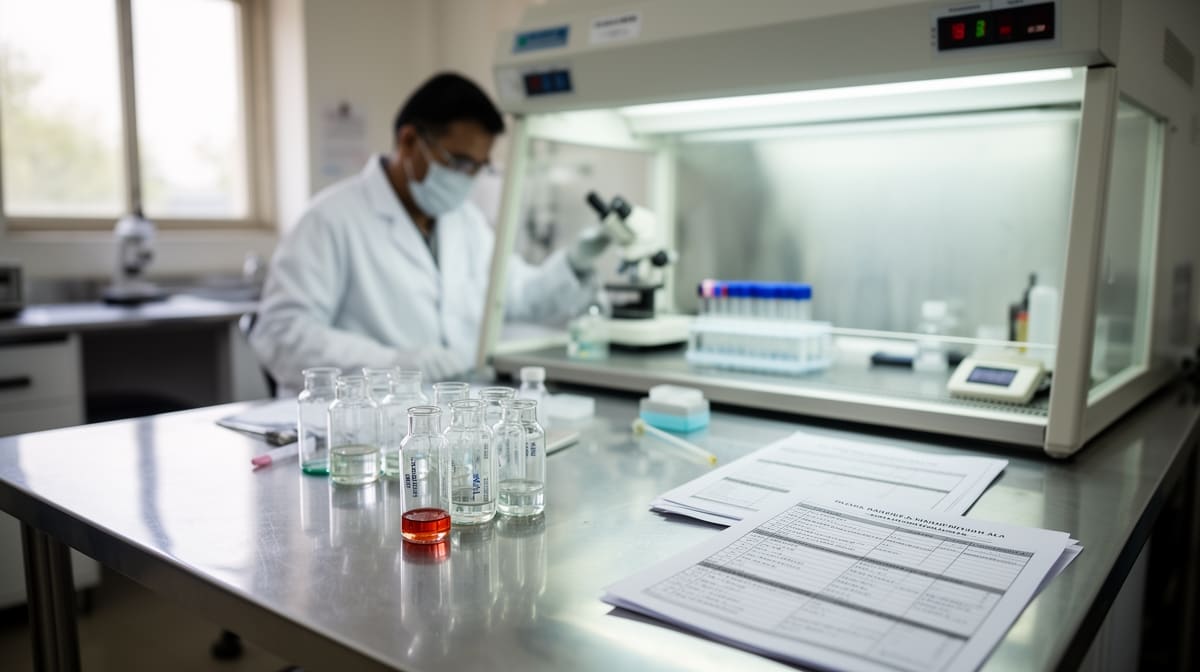
In the present case, the Court noted that the ethyl alcohol content in the seized liquor ranged from 8% to 26%, with no poisonous or adulterated substances detected. The Court held that while the petitioner’s conduct violated the Prohibition Act, it did not cross the threshold of endangering public health. The detaining authority’s failure to consider the absence of toxic material, and its reliance on mere repetition of offenses, rendered the detention order legally unsustainable. The Court further noted that the petitioner was not provided with copies of the secret witness statements, violating the right to effective representation under Article 22(5) of the Constitution.
The Verdict
The petitioner won. The Court held that preventive detention under the MPDA Act requires concrete evidence of public health risk, not merely repeated violations of prohibition laws. The detention order, state approval, and confirmation were quashed, and the petitioner was ordered to be released immediately, subject to any other lawful detention.
What This Means For Similar Cases
Detention Requires Health-Based Justification
- Practitioners must now challenge detention orders under the MPDA Act where no chemical report links illicit liquor to toxicity or public health harm.
- Authorities cannot rely on the volume of offenses or community fear alone to satisfy the "dangerous person" threshold.
Procedural Compliance Is Non-Negotiable
- Detaining authorities must furnish copies of all material relied upon, including secret witness statements and chemical reports, to the detenu.
- Failure to do so renders the detention voidable under Article 22(5) of the Constitution.
Distinction Between Prohibition Violations and Public Order Threats
- Repeated bootlegging remains prosecutable under the Maharashtra Prohibition Act but does not automatically justify preventive detention.
- Legal teams should distinguish between civil/administrative remedies (e.g., bonds under Section 93) and criminal preventive detention when advising clients.