The Allahabad High Court has dismissed petitions seeking to quash an FIR registered under Sections 85, 115(2), 64, 351(2), 61(2)(a), 70(2) of the Bharatiya Nyaya Sanhita, 2023, Sections 3/4 of the Muslim Women (Protection of Rights on Marriage) Act, 2019, and Sections 5(l)/6 and 17/18 of the Protection of Children from Sexual Offences Act, 2012. The Court held that the practice of halala, when performed on a minor or under coercion, constitutes statutory rape and gang rape, overriding personal laws and attracting penal provisions. This judgment underscores the primacy of criminal law over religious practices when they violate constitutional guarantees of dignity and equality.
Background & Facts
The Dispute
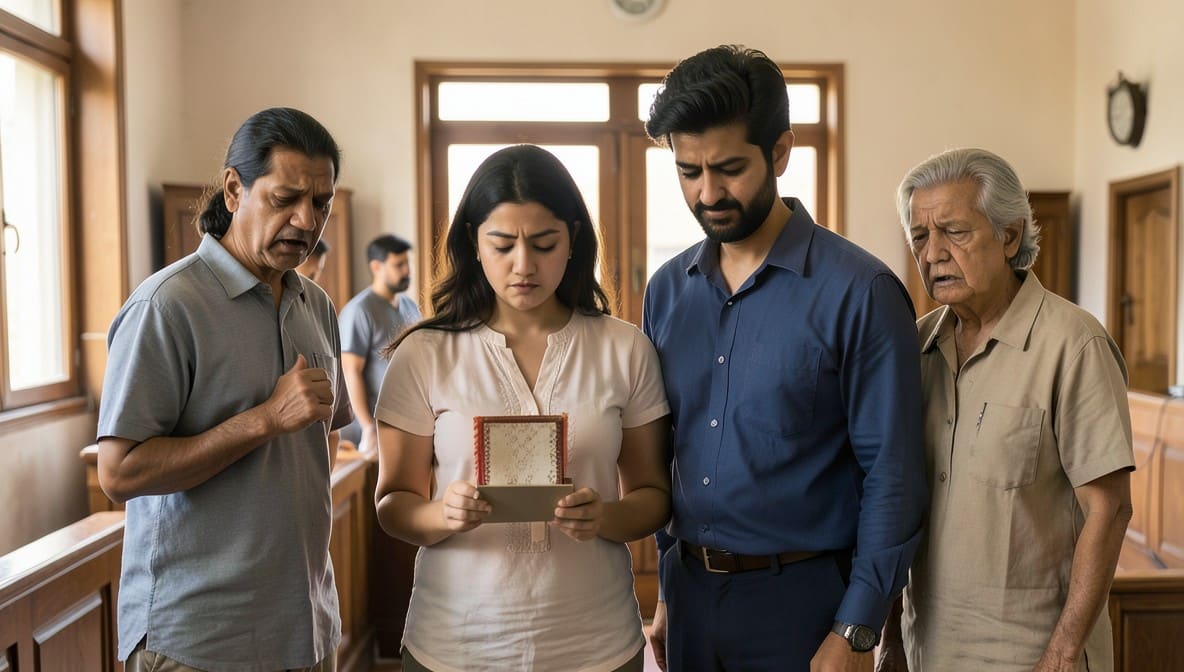
The case revolves around a prosecutrix who was allegedly coerced into marrying Azhar Nawaz on 25.04.2015 at the age of 15. After suffering domestic violence, she was divorced via Triple Talaq in January 2016. Later, in November 2016, she was compelled to undergo a halala nikah with Maulana Qayyum to remarry Azhar. The halala was performed by Kari Murtza (petitioner in Criminal Misc. Writ Petition No. 2789 of 2026) in Town Siyana, Bulandshahr, in the presence of Azhar Nawaz, Tayyab (petitioner in the present writ petition), Asim (petitioner in Criminal Misc. Writ Petition No. 6019 of 2026), and others. A second nikah with Azhar was performed in April 2017, and a daughter was born on 01.04.2018. Azhar divorced the prosecutrix again on 24.01.2021 and married another woman during her iddat period. Under coercion from Azhar’s brothers, Shahnawaz Chaudhary and Hakim Nishat (petitioners in Criminal Misc. Writ Petition No. 3132 of 2026), she underwent a second halala on 19.02.2025, which allegedly involved gang rape under the pretext of facilitating her remarriage to Azhar.
Key Facts
25.04.2015: Prosecutrix married Azhar Nawaz at age 15.
January 2016: First divorce via Triple Talaq.
November 2016: Halala nikah performed with Maulana Qayyum; prosecutrix was still a minor.
April 2017: Second nikah with Azhar Nawaz.
01.04.2018: Birth of daughter.
24.01.2021: Second divorce; Azhar marries Nayab Akhtar during iddat.
19.02.2025: Second halala under coercion; alleged gang rape.
09.12.2025: FIR registered under BNS, Muslim Women (Protection of Rights on Marriage) Act, 2019, and POCSO Act.
12.12.2025: Ossification test report estimates prosecutrix’s age as above 25 years in 2025.
16.12.2025: Dental evaluation report.
24.12.2025: Prosecutrix’s statement recorded under Section 183 BNSS.
30.04.2026: Second FIR (Crime No. 122 of 2026) registered under Sections 352(4) and 232 BNS.
Procedural History
09.12.2025: FIR (Crime No. 348 of 2025) registered at Police Station Saidnagli, District Amroha.
24.12.2025: Prosecutrix’s statement recorded under Section 183 BNSS; six additional accused added.
2026: Petitioners file Criminal Misc. Writ Petitions Nos. 8465, 2789, 3132, and 6019 of 2026 seeking quashing of FIR.
01.07.2026: Allahabad High Court dismisses all petitions.
The Parties' Positions
For the Petitioners
Halala is a valid Islamic practice and was performed as per Shariat law.
Triple Talaq was permissible in 2016; the Muslim Women (Protection of Rights on Marriage) Act, 2019 has retrospective effect from 19.09.2018.
Prosecutrix was a major at the time of the first halala (above 16 years); her marriage was voidable but became valid upon attaining majority.
No criminal intent: Petitioners are falsely implicated due to a custody dispute over the daughter and land ownership.
Petitioners are respectable citizens with no criminal antecedents; Murtza is a Kari (Islamic scholar), not a Qazi.
For the Respondents
Halala performed on a minor constitutes statutory rape under Independent Thought v. Union of India ((2017) 10 SCC 800), which prohibits sexual relations with a minor, regardless of marital status.
Gang rape under pretext of halala: The second halala involved coercion and threats, constituting gang rape under Section 69 BNS (sexual intercourse by deceitful means).
Violation of constitutional rights: The acts offend Articles 14 and 21 of the Constitution, as well as CEDAW (Convention on the Elimination of All Forms of Discrimination Against Women).
Pattern of exploitation: The FIR and prosecutrix’s statement reveal a systematic abuse of religious practices to exploit a vulnerable woman.
No merit in quashing: The allegations disclose prima facie cognizable offences, warranting thorough investigation.
The Legal Issue
The central question was whether halala performed on a minor or under coercion constitutes statutory rape and gang rape under the Protection of Children from Sexual Offences Act, 2012 and Bharatiya Nyaya Sanhita, 2023, overriding personal laws and attracting penal consequences. Additionally, the Court had to determine whether the FIR disclosed prima facie offences meriting investigation or whether it should be quashed at the threshold.
Arguments Presented
For the Petitioner
Validity of halala: Halala is a Sunnat (Islamic practice) for remarriage after divorce; it was performed as per Shariat law.
Age of prosecutrix: At the time of the first halala (November 2016), she was above 16 years; her marriage was voidable but became valid upon attaining majority.
No criminal intent: Petitioners are falsely implicated due to a custody dispute and land ownership issues.
Marginal roles: Some petitioners (e.g., Tayyab, Murtza) had minimal involvement and are venerable citizens.
Suppression of facts: The prosecutrix suppressed material facts, including her divorce decree and custody arrangements.
For the Respondent
Statutory rape: Sexual relations with a minor, even under personal law, constitute rape under Independent Thought; consent of a minor is no consent.
Gang rape: The second halala (19.02.2025) involved coercion, threats, and gang rape under Section 69 BNS (deceitful means).
Violation of constitutional rights: The acts violate Articles 14 and 21 (right to dignity) and CEDAW.
Pattern of exploitation: The FIR and prosecutrix’s statement reveal systematic abuse under the guise of religious practices.
No grounds for quashing: The allegations disclose prima facie cognizable offences, requiring investigation as per Neeharika Infrastructure Private Limited v. State of Maharashtra ((2021) 19 SCC 401).
The Court's Analysis
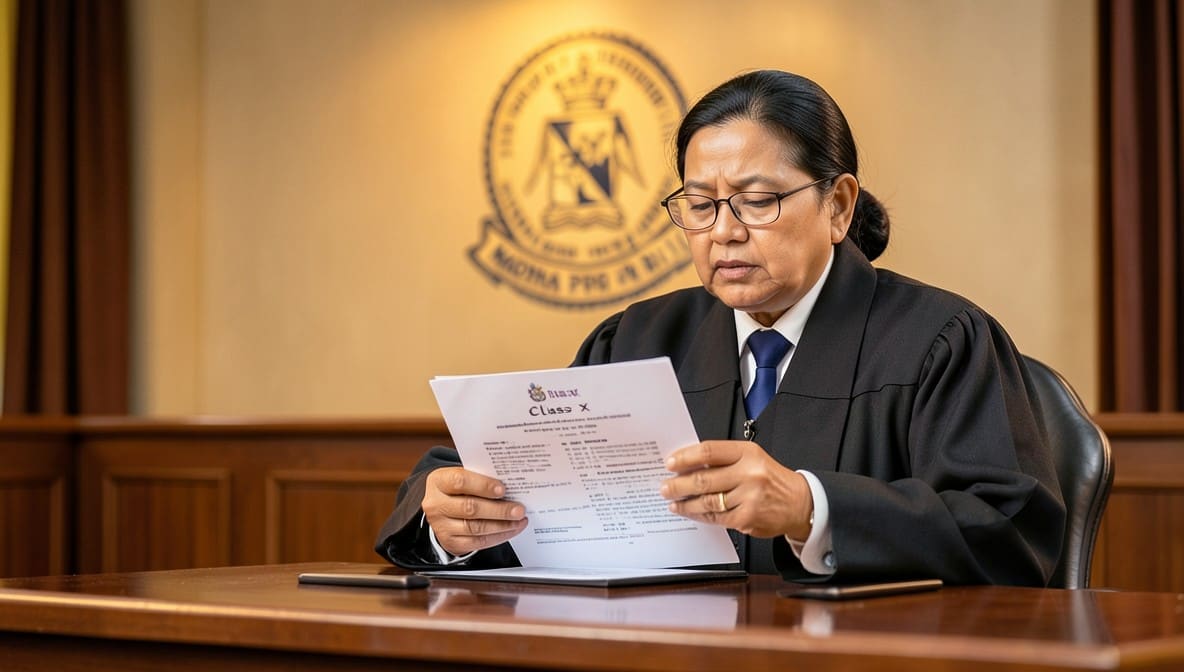
The Court conducted a prima facie assessment of the FIR and the prosecutrix’s statement under Section 183 BNSS, holding that the allegations disclose serious cognizable offences that cannot be quashed at the threshold. Key observations include:
Overriding Effect of POCSO Act: The Court relied on Independent Thought v. Union of India, which read down Exception 2 to Section 375 IPC (now Exception 2 to Section 63 BNS) to hold that sexual relations with a minor, even within marriage, constitute rape. The POCSO Act has overriding effect over all other laws, including personal laws.
"Sexual relations with a minor have been absolutely prohibited by the Supreme Court in Independent Thought... There is absolutely no possibility of any carnal relations, within or without marriage, between a man and a woman below the age of 18 years."
Statutory Rape Under POCSO Act: The first halala (November 2016) was performed when the prosecutrix was prima facie a minor (above 16 years). Even if the marriage was voidable, sexual relations with a minor constitute statutory rape under Sections 5(l)/6 POCSO Act.
Gang Rape Under BNS: The second halala (19.02.2025) involved coercion, threats, and gang rape under Section 69 BNS (sexual intercourse by deceitful means) and Section 70(2) BNS (gang rape). The prosecutrix’s consent was obtained under false pretenses, rendering it invalid.
Constitutional Values vs. Personal Laws: The Court emphasized that criminal law prevails over personal laws when the latter are used to violate constitutional guarantees. While the constitutionality of halala was not under challenge, its misuse to exploit a minor or coerce a woman militates against Articles 14 and 21.
"When it comes to criminal law, unless the law itself makes exception, which it rarely does, there is absolutely no place for pleading personal laws governing marriage, etc., if, interlaced with a matrimonial relationship, a crime were committed."
Role of Accused: The Court noted that while some petitioners had marginal roles (e.g., performing nikah), their collective enterprise constituted prima facie offences. Abetment or conspiracy does not entitle them to quashing of the FIR at an incipient stage.
Shocking to Conscience: The Court described the facts as "shocking to the conscience", reflecting a societal failure to uphold constitutional values of equality, dignity, and privacy.
The Verdict
The Allahabad High Court dismissed all writ petitions (Criminal Misc. Writ Petitions Nos. 8465, 2789, 3132, and 6019 of 2026) seeking quashing of the FIR. The interim orders, wherever granted, were vacated, and the Court directed that the investigation proceed without hindrance. The judgment reaffirmed that:
Halala performed on a minor constitutes statutory rape under POCSO Act.
Gang rape under pretext of halala attracts Sections 69 and 70(2) BNS.
Personal laws cannot override criminal statutes when they violate constitutional rights.
No threshold quashing where prima facie cognizable offences are disclosed.
What This Means For Similar Cases
Primacy of Criminal Law Over Personal Laws
No immunity for religious practices: Courts will not entertain defenses based on personal laws if they violate criminal statutes or constitutional rights.
POCSO Act prevails: Sexual relations with a minor, even under the guise of marriage or halala, constitute statutory rape under Independent Thought.
Gang rape provisions apply: Section 69 BNS (deceitful means) and Section 70(2) BNS (gang rape) will apply where consent is obtained under false pretenses.
Threshold for Quashing FIRs
High bar for quashing: Courts will be extremely slow to quash FIRs involving serious cognizable offences, especially sexual violence, as per Neeharika Infrastructure.
Marginal roles not exempt: Even abettors or conspirators with marginal involvement cannot seek quashing at the threshold.
Investigation must proceed: Where prima facie offences are disclosed, thorough investigation is warranted, regardless of civil decrees or personal law defenses.
Constitutional Safeguards Against Exploitation
Right to dignity under Article 21: Practices like coerced halala or child marriage violate the right to dignity and personal liberty.
Gender equality under Article 14: CEDAW principles will be invoked to strike down discriminatory practices that exploit women.
Societal accountability: Courts will not tolerate exploitation under the guise of religious or personal laws, especially when it shocks the conscience of society.