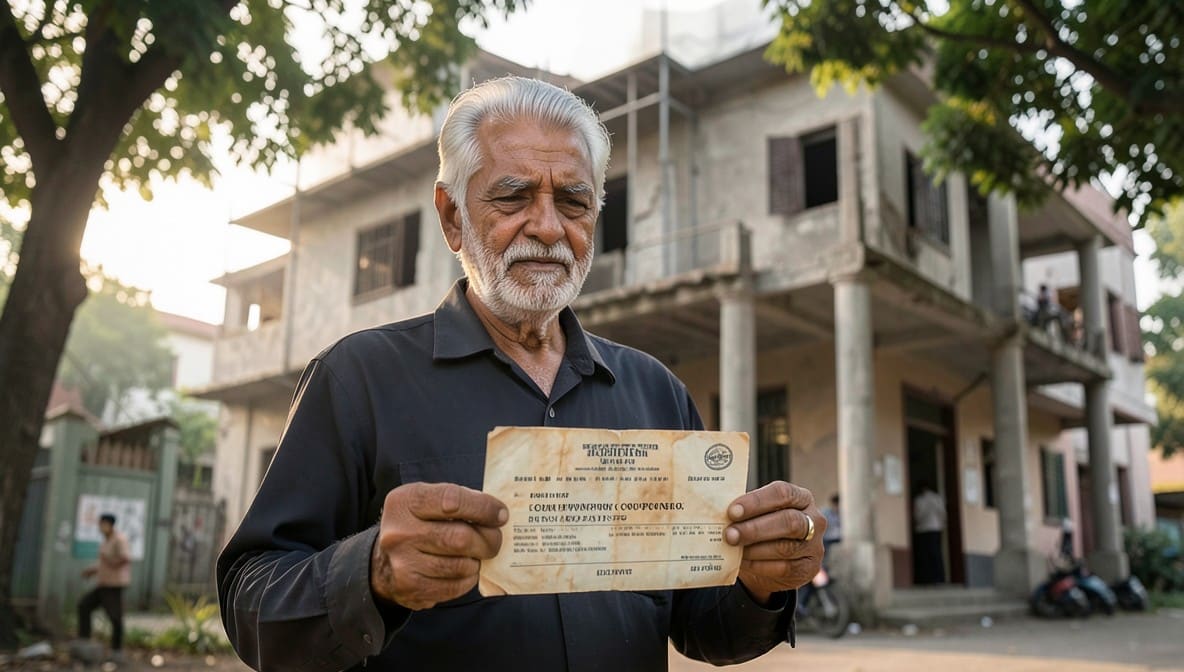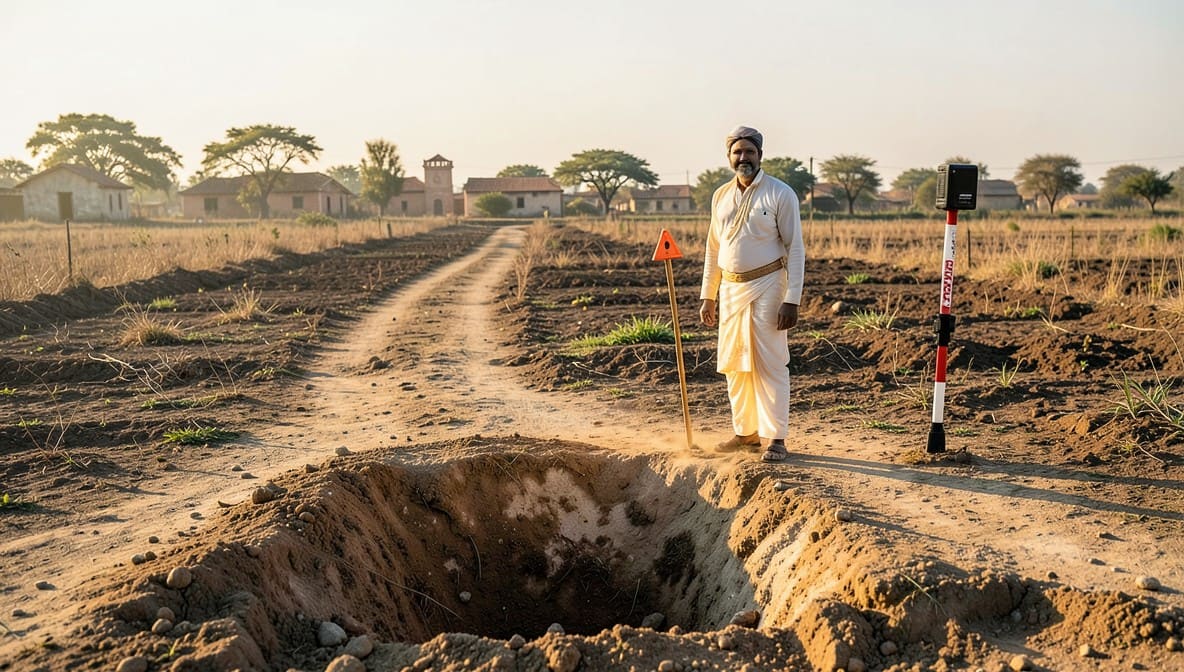
The Madhya Pradesh High Court has clarified that amendments to pleadings under Order 6 Rule 17 of the CPC are not barred merely because they are filed after a case has been remanded, particularly when they arise from events occurring during the pendency of litigation. This ruling reinforces the principle that procedural technicalities must not defeat substantive justice when new facts materially alter the nature of the dispute.
Background & Facts
The Dispute
The petitioner, Sunil Kumar, filed Civil Suit No. 18-A/2019 seeking a permanent injunction against the respondents to restrain them from interfering with his possession over Survey No. 200/3, admeasuring 0.400 hectare. The suit was initially decreed ex parte in his favour. However, upon appeal, the Appellate Court set aside the ex parte decree and remanded the matter for fresh adjudication on merits.
Key Facts
- The plaintiff was in actual possession of the disputed land at the time of filing the suit on 15.03.2019
- The suit was decreed ex parte on 22.08.2020
- The respondents filed an appeal before the District Court, which was heard on 10.11.2021
- On 18.01.2022, the Appellate Court set aside the ex parte decree and remanded the case for fresh trial
- During the pendency of the appeal, prior to remand, the respondents forcibly dispossessed the plaintiff from the property on 05.12.2021
- The plaintiff became aware of the dispossession only after the remand order was passed
- On 10.12.2024, the plaintiff filed an application under Order 6 Rule 17 CPC seeking amendment to the plaint to incorporate the subsequent event of dispossession and to seek additional reliefs including recovery of possession and damages
- The trial court dismissed the application on 17.01.2025 on the ground that it was filed belatedly
Procedural History
- 15.03.2019: Civil Suit No. 18-A/2019 filed for permanent injunction
- 22.08.2020: Ex parte decree passed in favour of plaintiff
- 10.11.2021: Appeal filed by respondents
- 18.01.2022: Appellate Court set aside ex parte decree and remanded the case
- 05.12.2021: Plaintiff dispossessed from the property (subsequent event)
- 10.12.2024: Application under Order 6 Rule 17 CPC filed seeking amendment
- 17.01.2025: Trial Court dismissed amendment application as belated
- 25.02.2025: Misc. Petition No. 1686 of 2025 filed before Madhya Pradesh High Court
- 08.04.2026: Judgment delivered by Hon’ble Justice Binod Kumar Dwivedi
Relief Sought
The petitioner sought setting aside of the trial court’s order dated 17.01.2025 dismissing the amendment application, and direct allowance of the proposed amendment under Order 6 Rule 17 CPC to include allegations of dispossession and consequential reliefs.
The Legal Issue
The central question was whether an application for amendment under Order 6 Rule 17 of the CPC, seeking to incorporate events that occurred during the pendency of litigation after remand, can be dismissed solely on the ground of delay, when such events fundamentally alter the nature of the dispute.
Arguments Presented
For the Petitioner
Learned counsel submitted that the amendment was based on a subsequent event - forcible dispossession occurring after the remand - which was not known or foreseeable at the time of filing the original plaint. He relied on the settled principle that Order 6 Rule 17 is designed to ensure complete adjudication of the real controversy between parties and that amendments should be freely allowed to avoid multiplicity of proceedings. He cited Sardar Amarjit Singh Kalra v. Pramod Gupta to emphasize that the court must look at the substance over form, and that delay alone cannot be a ground for rejection if the amendment is necessary for justice.
For the Respondent
The respondent’s counsel contended that the application was filed more than two years after remand and after the trial had resumed, making it unduly belated. He argued that allowing such amendments at this stage would prejudice the defendants, who had already prepared their defence based on the original pleadings. He relied on K. S. Srinivasan v. K. S. Srinivasan to argue that amendments should not be permitted if they introduce entirely new causes of action after substantial evidence has been recorded.
The Court's Analysis
The Court examined the nature of the proposed amendment and found that it did not introduce a new cause of action but merely supplemented the existing one with a material fact that arose during the pendency of litigation. The Court observed that the dispossession occurred after the remand and was not within the knowledge of the plaintiff at the time of filing the original suit or even at the time of filing the application.
"It is not in dispute that respondent/defendant will have an opportunity to file consequential amendment, if so advised and thereafter evidence will be recorded of both the parties therefore, it cannot be said that amendment is belated."
The Court emphasized that Order 6 Rule 17 is a procedural provision intended to facilitate the determination of the real question in controversy between the parties. The trial court’s refusal to allow the amendment on the sole ground of delay, without considering the nature of the subsequent event or the prejudice to either party, was found to be erroneous. The Court noted that the respondents were not prejudiced, as they would still have full opportunity to respond to the amended pleadings and lead evidence.
The Court further held that the principle of res judicata or finality of pleadings cannot override the overriding objective of the CPC - to secure just, fair, and expeditious resolution of disputes. The amendment was directly connected to the subject matter of the suit and went to the root of the plaintiff’s right to possession.
The Verdict
The petition was allowed. The impugned order dated 17.01.2025 dismissing the amendment application was set aside. The application under Order 6 Rule 17 of the CPC was allowed subject to the petitioner depositing costs of Rs. 5,000 with the District Bar Association, Kannod within 15 days of receiving the certified copy of this order. Upon production of the receipt, the amendment shall be incorporated into the plaint. The respondents shall be granted full opportunity to file consequential amendments and lead evidence.
What This Means For Similar Cases
Amendments Based on Subsequent Events Are Not Per Se Belated
- Practitioners may now confidently seek amendments under Order 6 Rule 17 CPC when new facts arise during litigation, even after remand
- Courts must assess whether the amendment relates to the same cause of action and whether it is necessary for adjudicating the real dispute
- Delay alone is insufficient to reject such applications; the nature and timing of the event must be evaluated
Procedural Fairness Trumps Technicality
- The burden shifts to the opposing party to demonstrate actual prejudice from the amendment, not mere inconvenience
- Courts must ensure that procedural rules serve substantive justice, not obstruct it
- Parties must be given opportunity to respond to amended pleadings - this safeguards fairness and avoids appellate interference
Remand Does Not Freeze Pleadings
- A remand order reopens the proceedings for fresh adjudication; pleadings are not frozen at the pre-remand stage
- Events occurring between remand and filing of amendment are part of the live controversy
- Litigants are not required to file separate suits for events arising during pendency - Order 6 Rule 17 provides the remedy