The National Green Tribunal’s Southern Zone has issued a landmark directive mandating coordinated, science-based intervention to contain the ecological crisis caused by the invasive Mytella strigata mussel in the Ennore-Pulicat wetland ecosystem. The judgment underscores the state’s duty to act proactively against transboundary environmental threats and establishes a replicable framework for managing invasive aquatic species through integrated dredging, biological control, and circular economy solutions.
Background & Facts
The Dispute
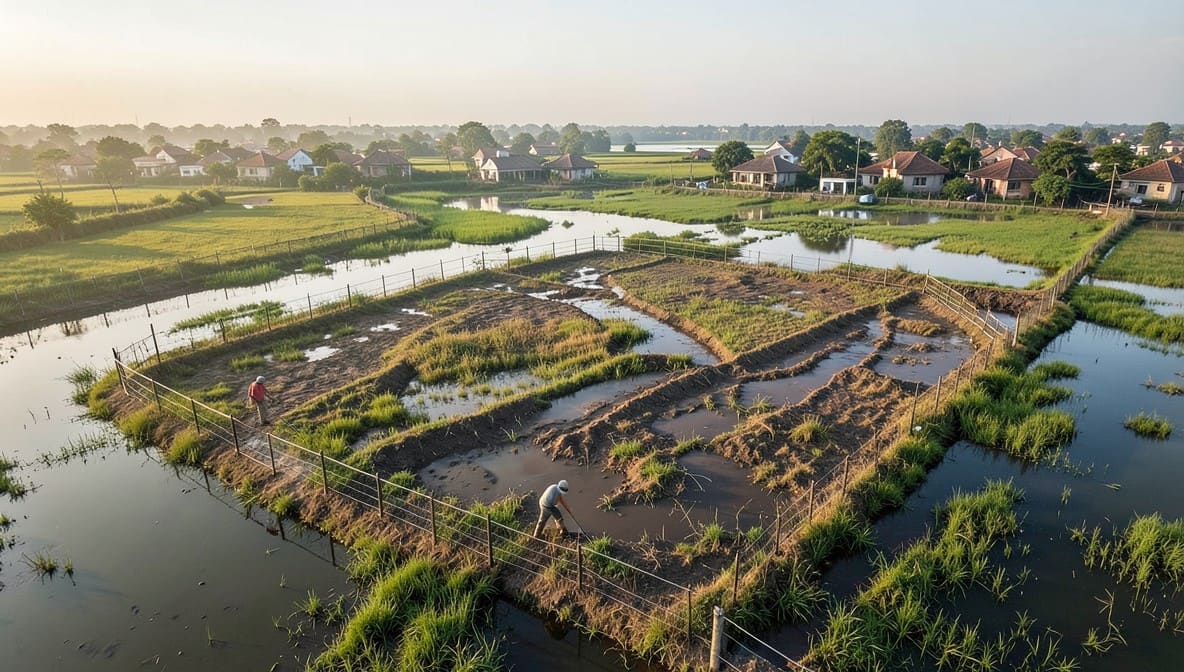
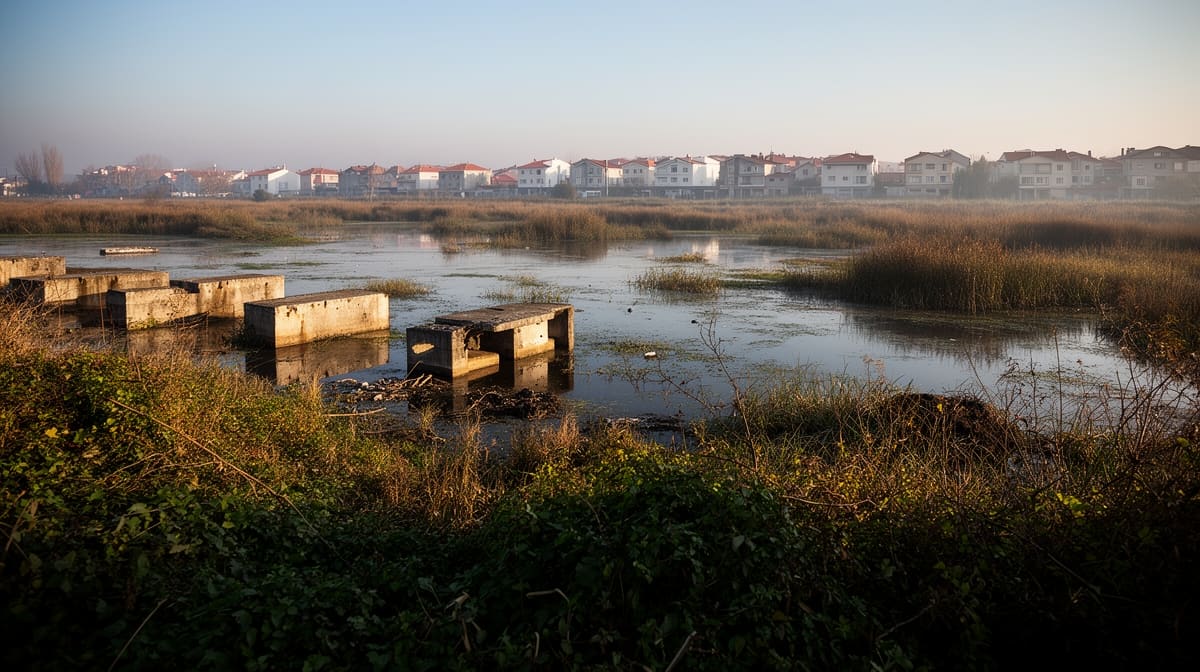
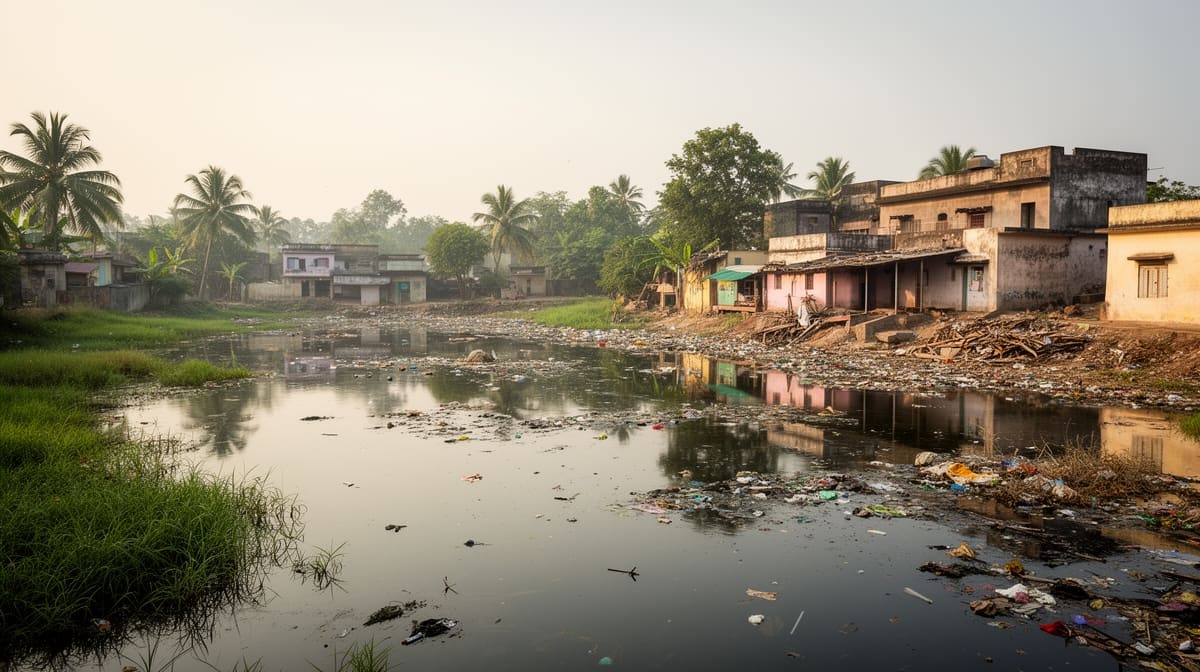
The Applicant, Kumaresan Sooluran, a resident of Kathivakkam near Ennore Thermal Station, filed an Original Application before the National Green Tribunal (NGT) seeking urgent intervention against the unchecked proliferation of the invasive South American mussel, Mytella strigata (locally known as Kaakka Aazhi or Charru Mussel), in the Kosasthalaiyar River, Ennore Creek, Buckingham Canal, and Pulicat Lake. The infestation, according to the Applicant, has devastated native fisheries, disrupted benthic ecosystems, and crippled the livelihoods of traditional fishing communities.
Key Facts
- Mytella strigata, native to the coasts of South and Central America, was first detected in the Ennore-Pulicat region in late 2022.
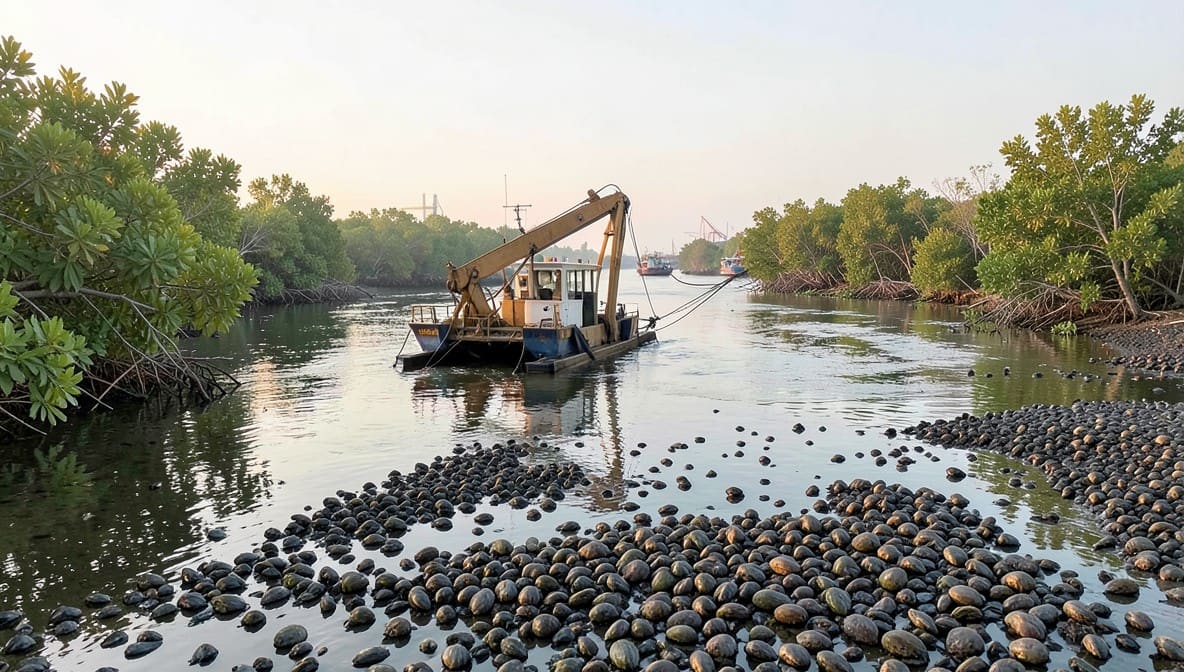
- The mussel forms dense, carpet-like colonies on riverbeds, reaching densities of 150 - 200 individuals per 25 sq. cm and biomass up to 14.64 tonnes over 18,000 sq. metres.
- The infestation extends from Ennore Creek to Pulicat, covering 6 - 24 km of waterways, with highest concentration near bridges, estuary mouths, and fly ash deposition zones.
- The species reduces phytoplankton density, depletes dissolved oxygen, and impedes burrowing by native prawns, green mussels, and yellow clams.
- Fishermen’s monthly income dropped from Rs. 30,000 - 50,000 to Rs. 5,000 - 10,000, forcing many to abandon fishing.
- Ballast water discharge from ships entering Kamarajar Port Limited is identified as the primary vector for introduction.
- Illegal dumping of fly ash and debris in Coastal Regulation Zone (CRZ) areas provides substrate for mussel colonization.
- The mussel’s shell contains 26.37% calcium and meat has 9.2% protein, with heavy metal levels within permissible limits under the Fertilizer Control Order, 1985.
Procedural History
- December 2022: Fishermen in Ennore lodge complaints regarding rapid mussel spread.
- 30.12.2022: Joint meeting convened by Joint Director of Fisheries with CMFRI and Dr. M.G.R. Fisheries College to assess impact.
- 03.01.2023: Field inspection confirms widespread colonization and ecological damage.
- 05.08.2024: Fisheries Sub-Committee recommends 23 km dredging from Ennore to Pulicat.
- 29.11.2024: NGT records undertaking for dredging at Kattupalli, Puzhuthivakkam, and Athipattu from 30.11.2024.
- 11.11.2024: Chief Secretary of Tamil Nadu chairs meeting directing WRD to commence dredging.
- 28.11.2024: Dredging initiated in Athipattu stretch (1.7 km).
- 12.05.2023: WRD submits Rs. 8.5 Crore proposal for 700m dredging to TNSWA.
- 03.03.2026: TNPGCL sanctions Rs. 20.85 Crores under CSR for dredging in Kattupalli and Puzhuthivakkam.
- 17.04.2026: Judgment reserved.
- 29.04.2026: Judgment delivered.
The Parties' Positions
Applicant: Argued that authorities have failed to act despite scientific evidence and prior undertakings. Demanded immediate, comprehensive dredging, strict ballast water regulation, removal of CRZ debris, and a long-term ecological restoration plan.
Respondents (R1 - R6): Acknowledged the infestation and detailed ongoing efforts: scientific studies by CMFRI, NCSCM, and Dr. M.G.R. Fisheries College; pilot projects for biofertilizer and mineral mix production; partial dredging in Athipattu; and proposals for Rs. 90 Crores in total funding. Cited delays due to financial approvals and administrative processes.
Relief Sought
The Applicant sought:
- Immediate large-scale dredging of all infested zones (23 km stretch)
- Strict enforcement of ballast water management under the Merchant Shipping Act, 1958
- Removal of fly ash and debris from CRZ areas
- Implementation of biological control measures
- Restoration of native species
- Establishment of a monitoring mechanism
- Accountability of port authorities for introduction of invasive species
The Legal Issue
The central question was whether state authorities have a legal obligation under environmental law to undertake immediate, comprehensive, and scientifically guided intervention to control an invasive aquatic species that threatens biodiversity, water quality, and livelihoods, even in the absence of a specific statutory mandate for such action?
Arguments Presented
For the Petitioner
The Applicant relied on the precautionary principle and polluter pays principle under Section 5 of the Environment (Protection) Act, 1986, arguing that delay in action constitutes environmental negligence. Cited M.C. Mehta v. Kamal Nath to assert that the state is a trustee of natural resources and must act proactively. Highlighted that ballast water discharge is a known vector under international guidelines (IMO BWM Convention) and that failure to regulate it violates India’s international obligations. Emphasized that partial dredging and lack of coordination among agencies constitute administrative failure.
For the Respondent
The Respondents contended that they had initiated multiple scientific studies, pilot projects, and partial dredging operations. Argued that funding constraints and inter-departmental coordination delays were beyond their immediate control. Cited the Rs. 20.85 Crores CSR sanction and ongoing value-addition research as evidence of good faith. Stated that dredging must be phased to avoid ecological harm and that biological control measures are being tested. Asserted that liability for ballast water discharge lies with port authorities, not the State.
The Court's Analysis
The Tribunal conducted a rigorous assessment of scientific reports from the Central Marine Fisheries Research Institute (CMFRI), National Centre for Sustainable Coastal Management (NCSCM), and Dr. M.G.R. Fisheries College. It found unanimous consensus that Mytella strigata is a highly invasive, fast-reproducing species with severe ecological and socio-economic consequences.
"The infestation has had a direct and adverse impact on traditional fishing communities, whose income has drastically reduced due to depletion of commercially important species such as prawns, clams and green mussels."
The Court rejected the argument that financial constraints excuse inaction. It held that the State’s duty to protect the environment under Article 21 and Section 5 of the EPA overrides fiscal limitations. The Tribunal emphasized that the precautionary principle requires action even in the face of scientific uncertainty, particularly when irreversible ecological damage is imminent.
The Court noted that while the WRD had identified ballast water as the likely vector, it had taken no steps to hold Kamarajar Port Limited accountable. It invoked Section 356A(b) of the Merchant Shipping Act, 1958, which imposes liability for pollution from ballast water discharge, and directed the Tamil Nadu Pollution Control Board to enforce compliance.
Regarding dredging, the Court found the existing efforts fragmented and non-uniform. It rejected the notion that dredging should be limited to fly ash removal zones, stating:
"Critical fishing grounds (paadu areas) remain inadequately addressed and uneven dredging has resulted in variation in river depth, thereby affecting navigation and fishing activities."
The Tribunal endorsed the expert recommendation for 23 km of dredging and stressed that disposal of dredged material must be scientifically managed to prevent re-invasion. It also recognized the innovative value-addition initiatives as exemplary but stressed they must complement, not replace, immediate removal.
The Verdict
The Applicant succeeded in full. The Tribunal directed:
- Comprehensive dredging of the 23 km stretch from Ennore Creek to Pulicat, targeting high-density zones and completed before the North-East Monsoon 2026.
- Disposal of dredged material only at scientifically designated sites away from ecologically sensitive areas.
- Continuous monitoring by a Joint Committee comprising WRD, TNSWA, NCSCM, CMFRI, Fisheries Department, and Dr. M.G.R. Fisheries College, with the first report due by 30.09.2026.
- Implementation of biological control measures, including introduction of mud crabs and restoration of native species (prawns, mullets, milkfish, green mussels, oysters).
- Strict enforcement of ballast water management norms by Kamarajar Port Limited and TNPCB, with periodic inspections and penalties.
- Immediate removal of debris from CRZ areas.
- Expeditious release of funds for the Rs. 90 Crore comprehensive proposal.
- All coastal states under the NGT Southern Zone (Tamil Nadu, Kerala, Karnataka, Andhra Pradesh, Puducherry, Lakshadweep) to conduct systematic assessments for invasive species and initiate removal.
- The Chief Secretary of Tamil Nadu to monitor compliance.
The matter is listed for compliance review on 05.10.2026.
What This Means For Similar Cases
Environmental Duty Overrides Fiscal Constraints
- Practitioners must argue that financial delays cannot justify inaction when ecological thresholds are breached.
- The state’s fiduciary duty under Article 21 and Section 5 of the EPA is non-negotiable.
- Courts will not accept "waiting for funds" as a defense for environmental degradation.
Ballast Water Is a Regulated Pollutant
- Section 356A(b) of the Merchant Shipping Act, 1958 now applies to invasive species introduced via ballast water.
- Port authorities can be held liable for ecological damage caused by non-compliance with IMO BWM Convention.
- Pollution Control Boards must enforce ballast water treatment protocols as part of routine port inspections.
Value Addition Must Complement, Not Replace, Removal
- Converting invasive species into biofertilizer or mineral mix is commendable but cannot substitute immediate physical removal.
- Circular economy solutions must be pilot-tested alongside eradication efforts.
- Livelihood incentives (e.g., paying fishermen to collect mussels) can enhance compliance but require formalized schemes.
Multi-Agency Coordination Is Mandatory
- Environmental crises require integrated action across Water Resources, Fisheries, Pollution Control, and Wetland Authorities.
- Failure to coordinate constitutes administrative negligence.
- Joint Committees with clear mandates and reporting timelines are now a judicial expectation.
Proactive Monitoring Is Required Nationally
- The directive to all coastal states to conduct invasive species assessments sets a national precedent.
- Environmental agencies must now include invasive species mapping in annual biodiversity reports.
- NGT may initiate suo motu proceedings if states fail to comply with this directive.