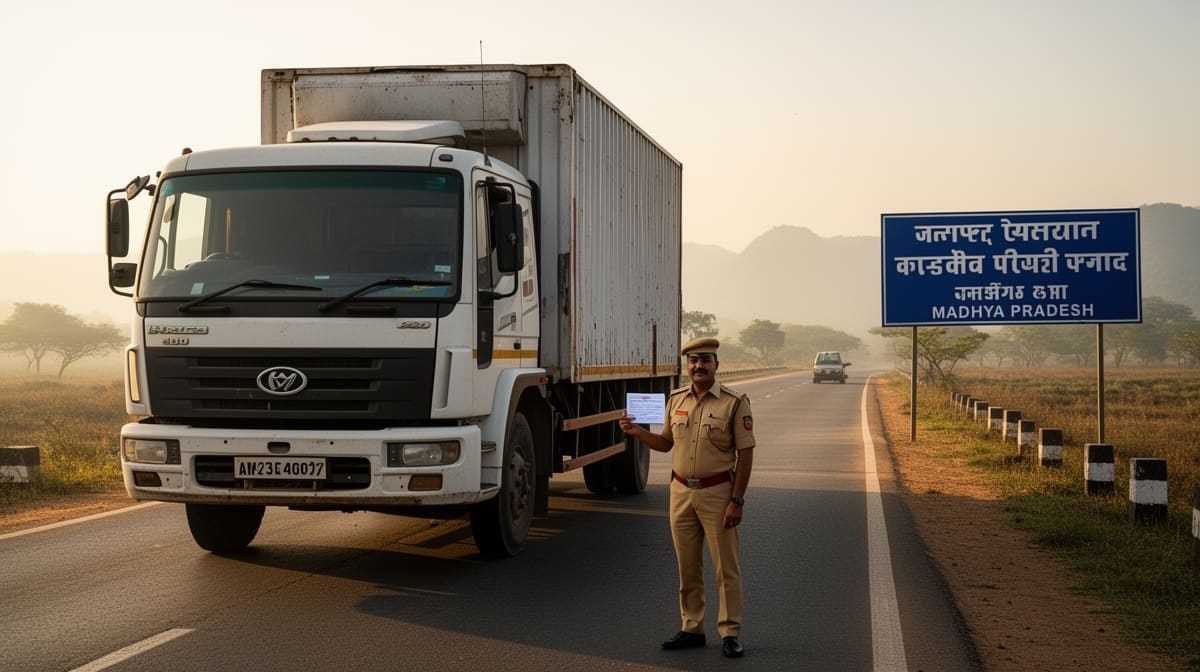
The Madhya Pradesh High Court recently affirmed an order holding an insurance company liable to pay compensation under the Motor Vehicles Act, 1988 despite the vehicle lacking a valid permit. The judgment reaffirms that insurers must first compensate third parties and may subsequently recover the amount from the vehicle owner, aligning with the Supreme Court's precedent in National Insurance Co. Ltd vs. Challa Bharathamma.
Background & Facts
The Dispute
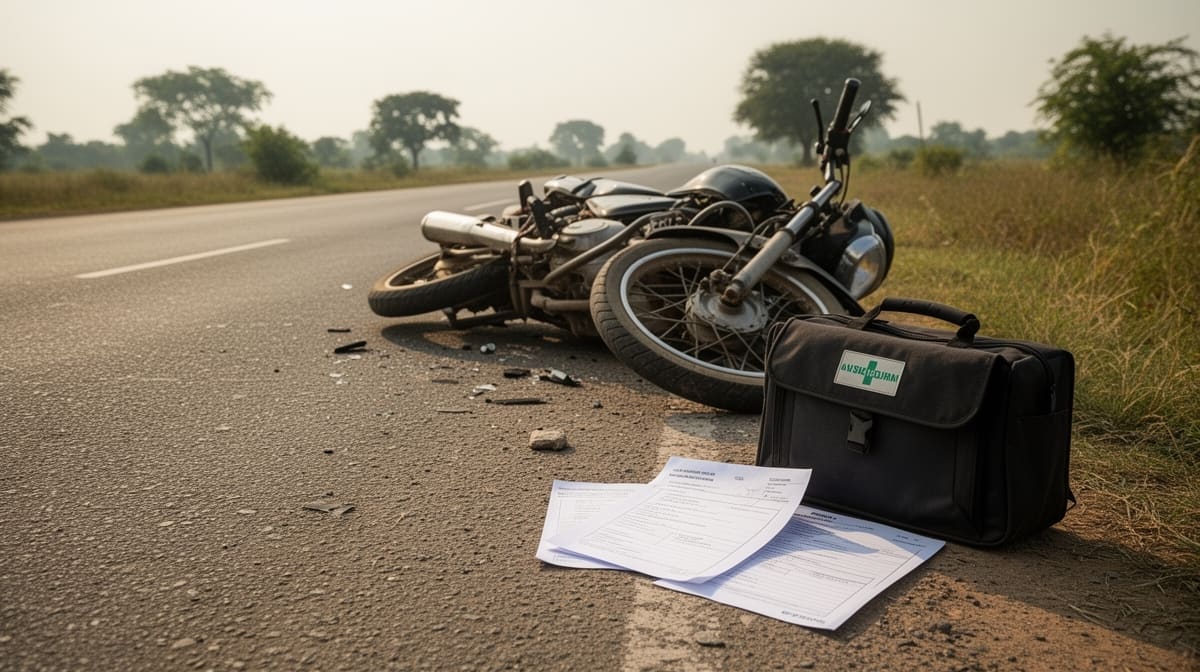
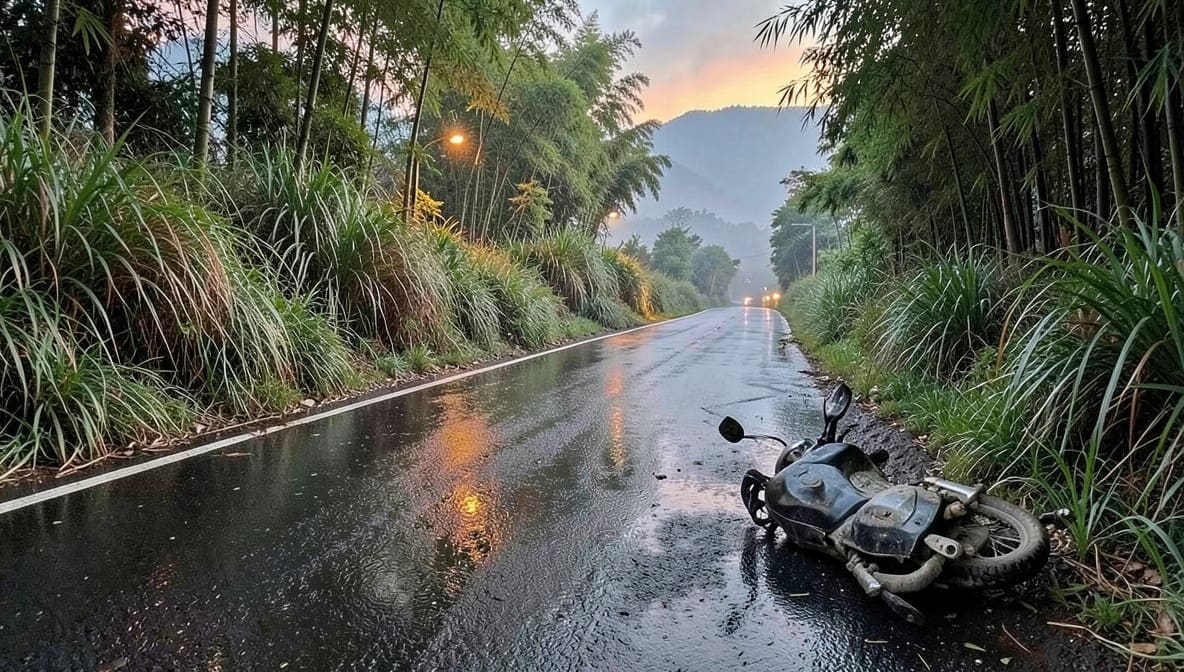
The case arises from a tragic road accident on 02 January 2012 near Dudhi Mazar, A.B. Road, Madhya Pradesh. A mini bus bearing registration number RJ-03-G-1026, carrying Mahesh, Rahul (deceased), Viram Singh, and 10-12 other passengers, capsized due to rash and negligent driving by respondent no. 3. The occupants sustained grievous injuries, and Mahesh and Rahul were declared dead during treatment at Government Hospital, Biaora. The legal representatives of Rahul (respondents no. 1 and 2) filed a claim petition under Section 166 of the Motor Vehicles Act, 1988 seeking compensation.
Key Facts
- Date of accident: 02.01.2012 at approximately 01:30 PM
- Vehicle involved: Mini bus (RJ-03-G-1026)
- Route: From village Karanwas to Biaora for mason work
- Cause of accident: Rash and negligent driving by respondent no. 3
- Outcome: Two fatalities (Mahesh and Rahul) and injuries to other passengers
- Claim filed: By legal representatives of Rahul under Section 166 of the Act
- Compensation awarded: Rs. 3,39,700 by the MACT
Procedural History
- Claim Case No. 194/2012: Filed before the Additional Member, Motor Accident Claims Tribunal (MACT), Biaora, Rajgarh
- 10.07.2013: MACT passed an award directing the appellant-insurance company to pay Rs. 3,39,700 as compensation
- Misc. Appeal No. 1965/2013: Filed by the insurance company under Section 173(1) of the Act before the Madhya Pradesh High Court, Indore
The Parties' Positions
For the Appellant (Insurance Company)
The insurance company contended that:
- The MACT erred in holding it liable for compensation
- The pay and recover order was unjustified as the vehicle was being plied without a valid permit, violating the terms and conditions of the insurance policy
- The absence of a permit absolved the insurer of any liability, including the obligation to pay and recover
For the Respondents
Though no counsel appeared for the respondents, the MACT's award was based on:
- The strict liability of the insurer under Section 149 of the Act to compensate third parties, regardless of permit violations
- The precedent set in National Insurance Co. Ltd vs. Challa Bharathamma, which mandates insurers to pay compensation first and recover later
Relief Sought
The appellant-insurance company sought:
- Exoneration from liability to pay compensation
- Setting aside of the MACT's award dated 10.07.2013
The Legal Issue
The central question was whether an insurance company is liable to compensate third parties under Section 149 of the Motor Vehicles Act, 1988 when the offending vehicle was being plied without a valid permit, thereby violating the terms of the insurance policy.
Arguments Presented
For the Appellant
The appellant relied on the following contentions:
- The vehicle was being plied without a permit, which is a fundamental breach of the insurance policy terms
- Under Section 149(2) of the Act, the insurer is not liable if the vehicle is used in violation of policy conditions
- The pay and recover order was erroneous as the insurer had no primary liability in the absence of a permit
For the Respondent
Though no formal arguments were presented by the respondents, the MACT's award implicitly relied on:
- The beneficial object of the Motor Vehicles Act, 1988, which prioritizes compensation to third parties
- The Supreme Court's ruling in National Insurance Co. Ltd vs. Challa Bharathamma, which holds that insurers must first pay compensation and then recover from the vehicle owner, even in cases of permit violations
The Court's Analysis
The High Court examined the legal principles governing insurance liability under the Motor Vehicles Act, 1988, particularly in cases where the offending vehicle lacks a valid permit. The Court relied heavily on the Supreme Court's judgment in National Insurance Co. Ltd vs. Challa Bharathamma, which established the following key principles:
-
Strict Liability of Insurer: The Court emphasized that the primary liability to compensate third parties rests with the insurer, even if the vehicle is plied without a permit. The absence of a permit does not absolve the insurer of its obligation under Section 149 of the Act.
-
Pay and Recover Mechanism: The Court reiterated the pay and recover doctrine, wherein the insurer must first compensate the third party and is subsequently entitled to recover the amount from the vehicle owner. This mechanism ensures that victims receive timely compensation while protecting the insurer's right to reimbursement.
"A person without permit to ply a vehicle cannot be placed at a better pedestal vis-à-vis one who has a permit, but has violated any condition thereof. Plying of a vehicle without a permit is an infraction. Therefore, in terms of Section 149(2) defence is available to the insurer on that aspect."
The Court further elaborated on the procedural aspects of recovery:
- The insurer need not file a separate suit to recover the amount paid
- The insurer may initiate proceedings before the Executing Court as if the dispute were between the insurer and the vehicle owner
- The vehicle owner must furnish security for the entire compensation amount, including attachment of the offending vehicle
- The Executing Court may seek assistance from the Regional Transport Authority to enforce recovery
"For the purpose of recovering the amount paid from the owner, the insurer shall not be required to file a suit. It may initiate a proceeding before the concerned Executing Court as if the dispute between the insurer and the owner was the subject matter of determination before the Tribunal and the issue is decided against the owner and in favour of the insurer."
The Court also noted that the quantum of compensation in this case was relatively modest, leaving the insurer the discretion to decide whether to pursue recovery from the vehicle owner.
The Verdict
The Madhya Pradesh High Court dismissed the appeal and upheld the MACT's award dated 10.07.2013. The Court held that:
- The appellant-insurance company is liable to pay Rs. 3,39,700 as compensation to the respondents/claimants
- The insurer is entitled to recover the amount from the owner and driver of the offending vehicle (respondent no. 3 and others)
- The pay and recover order stands, and the insurer must comply with the award
- The appeal was disposed of without any order as to costs
What This Means For Similar Cases
Insurers Cannot Escape Liability on Permit Grounds
This judgment reinforces that insurance companies cannot evade liability merely because the offending vehicle lacked a valid permit. Practitioners should note:
- The strict liability under Section 149 of the Motor Vehicles Act, 1988 overrides policy conditions in third-party claims
- Insurers must first compensate the victim and then recover from the vehicle owner, even in cases of permit violations
Pay and Recover: A Two-Step Process
- Step 1: Compensation: Insurers must disburse compensation to third parties without delay
- Step 2: Recovery: Insurers may initiate proceedings before the Executing Court to recover the amount from the vehicle owner
- The vehicle owner must furnish security, including attachment of the offending vehicle
- The Regional Transport Authority may assist in enforcement
Practical Implications for Vehicle Owners and Drivers
- Vehicle owners and drivers should ensure compliance with permit requirements to avoid personal liability for compensation paid by insurers
- Non-compliance with permit conditions may expose owners to recovery proceedings by insurers, including attachment of assets
Tribunal Awards Are Presumptively Valid
- Appellate courts are reluctant to interfere with MACT awards unless there is a glaring error of law or fact
- Insurers challenging MACT awards must demonstrate substantial legal infirmities to succeed in appeals