The National Green Tribunal has established a binding regulatory framework for the management of marble and granite slurry, shifting the focus from punitive compensation to systemic environmental remediation through mandatory utilization plans and consent regimes. This judgment redefines industrial accountability in mineral processing by mandating proactive pollution prevention over reactive penalties.
Background & Facts
The Dispute
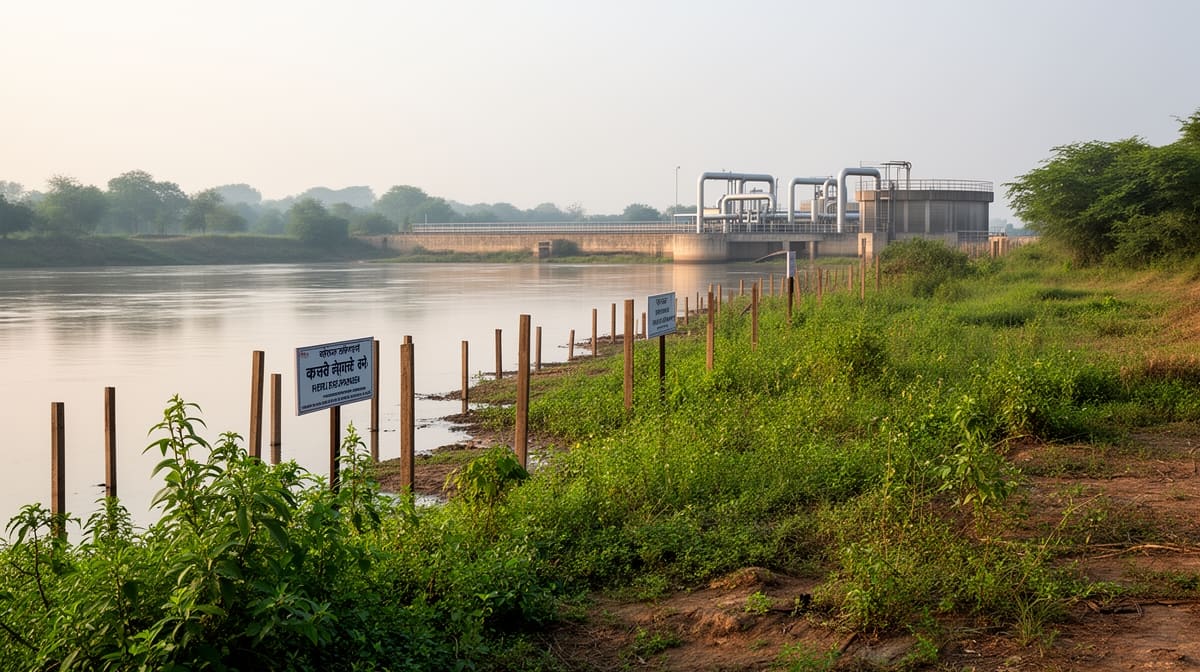
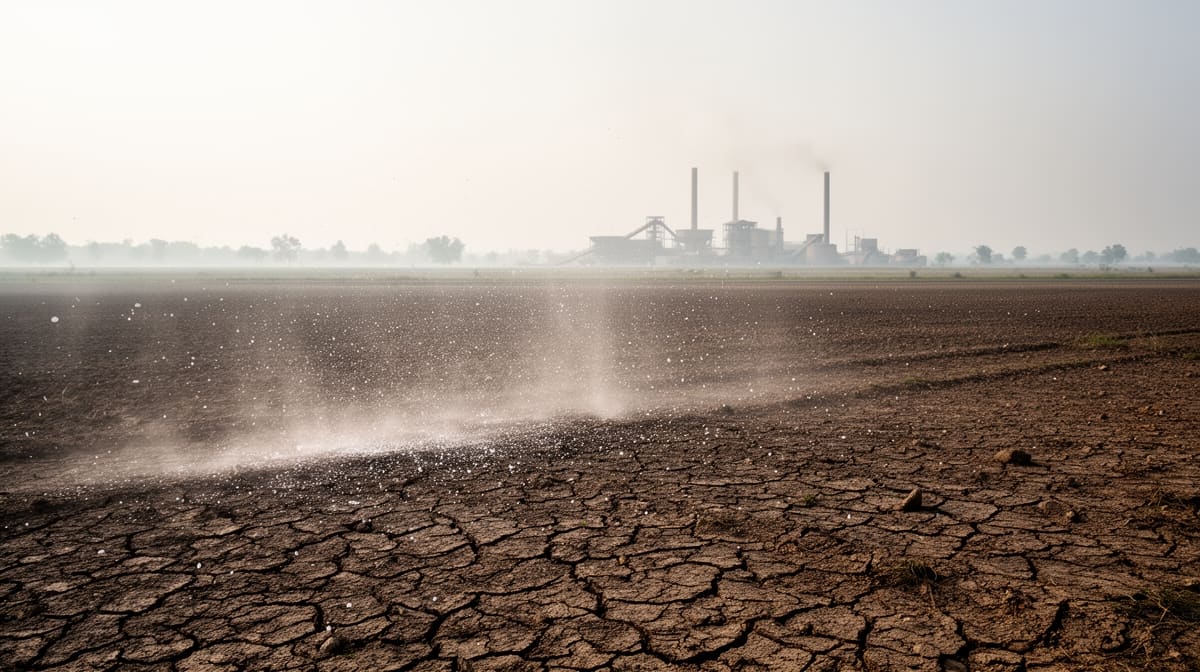
The original complaint, filed by local residents of Harischandrapuram Village in Srikakulam District, Andhra Pradesh, alleged unscientific dumping of marble slurry from over 700 stone-cutting and polishing units near agricultural land and irrigation canals. The slurry, a byproduct of polishing operations, was found to have caused severe soil salinization, reduced water percolation, micronutrient depletion in crops, and airborne particulate matter pollution. The environmental degradation directly impacted local farming communities and water quality in the region.
Procedural History
The matter was initially registered suo motu by the Principal Bench of the National Green Tribunal as O.A. No.164 of 2022 (PB). A Joint Committee comprising the Central Pollution Control Board (CPCB), Andhra Pradesh Pollution Control Board (APPCB), and the District Collector was formed to investigate. Based on their findings, the Principal Bench directed 77 operational units to pay environmental compensation equal to 1% of their project cost, totaling Rs.1.35 crore. However, the Andhra Pradesh High Court set aside this order in W.P. No.2708 of 2023, holding that the Tribunal lacked jurisdiction to impose compensation on non-parties. The case was subsequently transferred to the Southern Zone Bench in Chennai and renumbered as O.A. No.78 of 2024 (SZ). During pendency, 64 units successfully sought impleadment as respondents.
Relief Sought
The applicants sought cessation of unregulated slurry dumping, restoration of affected land, and establishment of a sustainable slurry management system. They did not seek monetary compensation but demanded structural, regulatory reform.
The Legal Issue
The central question was whether the National Green Tribunal has the authority to mandate systemic environmental management protocols for industrial waste, beyond imposing compensation, and whether the absence of prior consent under the Water and Air Acts renders slurry disposal unlawful.
Arguments Presented
For the Petitioner
Though no advocate appeared for the applicants, the suo motu petition relied on the Tribunal’s inherent jurisdiction under the National Green Tribunal Act, 2010, to protect environmental rights. The petitioners cited the right to a healthy environment under Article 21 of the Constitution and the Polluter Pays Principle, arguing that unregulated slurry dumping constitutes continuous environmental harm requiring immediate regulatory intervention.
For the Respondent
The respondents, including CPCB and APPCB, acknowledged the environmental impact but contended that existing mechanisms under the Water (Prevention and Control of Pollution) Act, 1974 and the Air (Prevention and Control of Pollution) Act, 1981 were sufficient. They emphasized that compensation had already been collected and that the matter was best addressed through state-level enforcement rather than broad Tribunal directives.
The Court's Analysis
The Tribunal rejected the notion that environmental harm could be remedied solely through retrospective compensation. It held that the Polluter Pays Principle must be operationalized through preventive, not punitive, mechanisms. The Court emphasized that the generation of 5 - 6 million tonnes of marble slurry annually in Rajasthan alone - coupled with similar patterns across Andhra Pradesh - demanded a national regulatory response.
"The unregulated dumping of marble/granite slurry may lead to contamination of surface water, groundwater, soil and deterioration of ambient air quality due to emission of dust upon drying."
The Tribunal examined the CPCB’s newly formulated Guidelines for Utilization of Slurry Generated from Marble/Granite Processing Units (September 2025) and found them to be scientifically sound and legally adequate. It held that these guidelines, though issued post-petition, provided the necessary framework for compliance. The Court then applied the doctrine of environmental due diligence, holding that industrial units cannot claim ignorance of environmental obligations when their operations generate hazardous byproducts.
It further clarified that the reclassification of marble/granite processing from 'Orange' to 'Green' category in 2025 did not exempt units from obtaining Consent to Establish (CTE) and Consent to Operate (CTO) under the Pollution Acts. The Tribunal stressed that consent is not a formality but a condition precedent to lawful operation, and failure to obtain it constitutes a statutory violation.
The Court also rejected the argument that compensation alone sufficed, noting that the High Court’s invalidation of the compensation order underscored the need for a legally sustainable, forward-looking regulatory structure.
The Verdict
The National Green Tribunal ruled in favor of the applicants. It held that industrial slurry must be managed through approved utilization plans, and Consent to Operate under the Pollution Acts is mandatory. The Tribunal issued binding directions to all State Pollution Control Boards to implement a comprehensive slurry management regime.
What This Means For Similar Cases
Consent to Operate Is Non-Negotiable
- Practitioners must now verify CTE/CTO status for all mineral processing units before advising on compliance or litigation
- Failure to obtain consent renders operations illegal, irrespective of environmental performance
- Defense arguments based on ‘minor violations’ or ‘industry norms’ are no longer tenable
Slurry Utilization Plans Are Mandatory
- All new and existing units must submit a documented slurry utilization plan as part of CTO application
- Acceptable uses include cement manufacturing, road construction, geo-polymeric concrete, and building materials
- Non-submission of a plan is grounds for immediate suspension of operations
State Boards Must Build Digital Tracking Systems
-
SPCBs/PCCs are now legally obligated to create online portals tracking slurry generation and utilization
-
Non-compliance within three months may trigger contempt proceedings
-
Data transparency enables public oversight and inter-state coordination
-
Practitioners representing industrial clients must now integrate slurry management compliance into environmental audits
-
Environmental consultants should develop standardized slurry utilization templates aligned with CPCB guidelines
-
Litigation strategies must shift from challenging compensation to enforcing proactive regulatory adherence