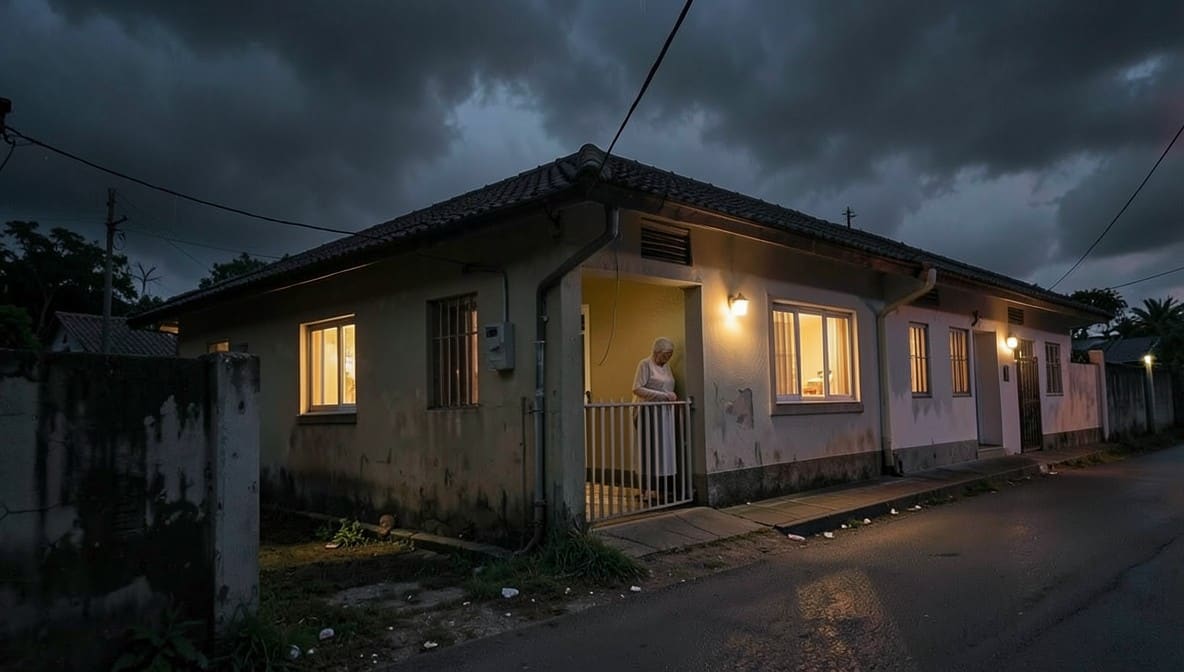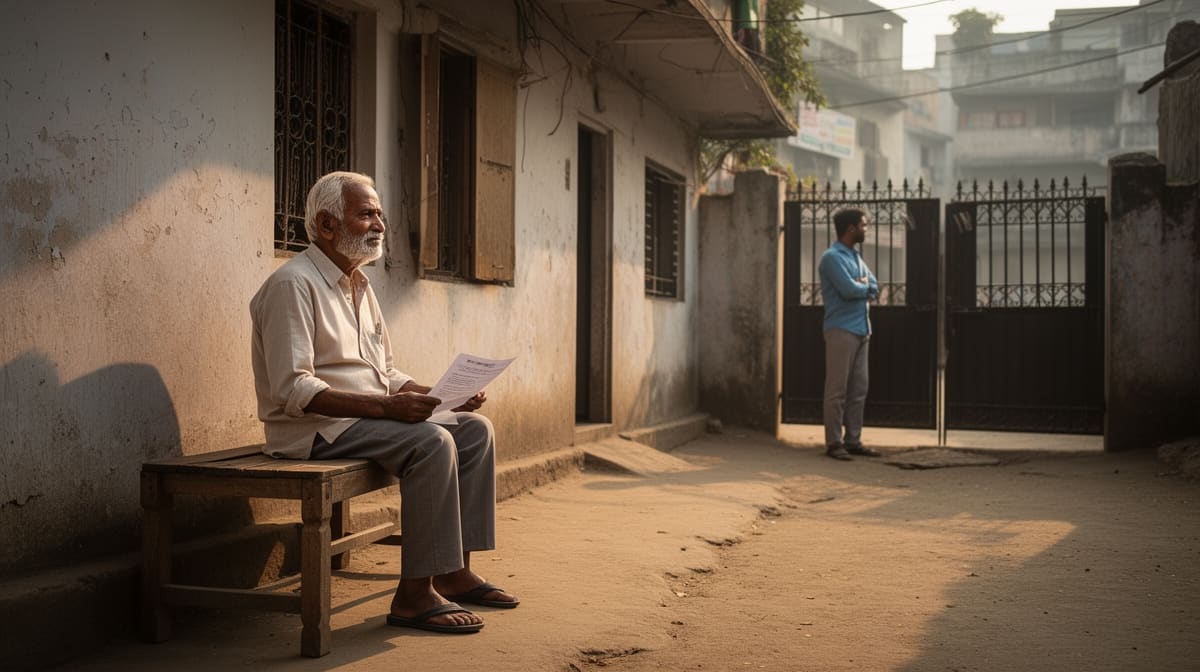
The Rajasthan High Court has affirmed that the right of senior citizens to live with dignity and peace, as guaranteed under the Maintenance and Welfare of Parents and Senior Citizens Act, 2007, may justify eviction of adult children from the parent’s property when familial relations deteriorate into abuse or harassment. This ruling reinforces the Act’s protective intent and clarifies the limits of judicial restraint under Article 227.
Background & Facts
The Dispute
The dispute centers on Plot No. 2, Govind Badi, Sitaram Bazar, opposite SBI Bank, Brahampuri, Jaipur, which is registered in the name of respondent No. 1, Smt. Vimla Devi Nagar, aged 82. The petitioners - Krishnawtar Nagar (63), Smt. Lata Nagar (63), and their son Mukul Nagar (31) - have resided in the property for decades. The respondents, the petitioners’ parents, allege sustained emotional abuse, threats, and hostile conduct by the petitioners, rendering the household environment intolerable for the elderly couple.
Key Facts
- The property is legally owned by respondent No. 1, Smt. Vimla Devi Nagar, and respondent No. 2, Radhey Shyam Nagar (86), her husband.
- Petitioner No. 3, Mukul Nagar, was born and raised in the property and continues to reside there.
- The petitioners claim substantial financial contributions toward the property’s maintenance and improvement, funded by petitioner No. 1’s earnings.
- Respondents are retired government employees with pension income and have other children who are legally obligated to maintain them.
- Petitioner No. 3 is employed in the private sector and supports petitioner Nos. 1 and 2, including medical expenses.
- Water and electricity bills, property tax receipts, and title documents are in the name of the respondents.
- A civil suit filed by the petitioners seeking injunction against eviction was dismissed by the Civil Court.
- An earlier appeal before the Additional District Judge (CMA No. 27/2023) was allowed in favor of the petitioners, temporarily restraining eviction.
Procedural History
- 2023: Respondents filed a complaint under Section 5 of the Maintenance and Welfare of Parents and Senior Citizens Act, 2007, seeking eviction and maintenance.
- 2023: Tribunal under the Act passed an order directing eviction of petitioners.
- 2023: Petitioners filed appeal (Senior Citizen Appeal No. 57/2023) before the Collector and District Magistrate, Jaipur.
- 13.06.2024: Collector and District Magistrate partly allowed the appeal and ordered eviction of petitioners from the property.
- 2023: Petitioners filed CMA No. 27/2023 before Additional District Judge, Jaipur Metropolitan-II, which was allowed, granting interim protection.
- 18.04.2026: Oral arguments concluded in the present writ petition.
- 27.04.2026: Judgment pronounced by the Rajasthan High Court.
The Parties' Positions
For the Petitioners
- Argued that they have lived in the property for decades and have made financial contributions.
- Contended that eviction would deprive them of shelter and livelihood, especially as petitioner No. 3 supports his parents’ medical needs.
- Asserted that respondents have other children who share the duty of maintenance.
- Relied on the earlier favorable order in CMA No. 27/2023.
For the Respondents
- Alleged persistent verbal abuse, threats, and psychological harassment by petitioners.
- Emphasized that their right to live with dignity and peace under Article 21 and the Act of 2007 has been violated.
- Stated that the property is their sole asset and source of security in old age.
- Highlighted that the Civil Court had already dismissed the petitioners’ injunction application.
- Cited precedents: Rakesh Leeladhar Soni v. Smt. Premlata Leeladhar Soni, Smt. Rshmi Saxena v. Suresh Prakash Saxena, and Dattatrey Shivaji Mane v. Leela Bai Mane.
Relief Sought
The petitioners sought quashing of the Collector’s eviction order dated 13.06.2024, restoration of the interim protection granted under CMA No. 27/2023, and a direction to permit continued residence in the property.
The Legal Issue
The central question was whether the Collector and District Magistrate, under the Maintenance and Welfare of Parents and Senior Citizens Act, 2007, may lawfully order eviction of adult children from a senior citizen’s property when the relationship has deteriorated into abuse and hostility, and whether such an order is subject to interference under Article 227 of the Constitution.
Arguments Presented
For the Appellant/Petitioner
The petitioners contended that their long-standing residence and financial contributions to the property created a de facto right to remain. They argued that eviction would violate their right to shelter under Article 21 and that the Act of 2007 was not intended to displace children who are dependent on the property for survival. They relied on the interim relief granted by the Additional District Judge and emphasized the respondents’ alternative means of support through pension and other children.
For the Respondent/State
The respondents argued that the Act of 2007 is a beneficial statute designed to protect senior citizens from neglect and abuse. They submitted that the petitioners’ conduct had created an atmosphere of fear and insecurity, directly undermining the respondents’ right to live with dignity. They emphasized that ownership of the property was clear, the Civil Court had rejected the petitioners’ injunction plea, and the Collector’s order was a proportionate response to protect the elderly from ongoing harassment.
The Court's Analysis
The Court began by reaffirming the limited scope of jurisdiction under Article 227. It held that the High Court cannot act as an appellate forum or re-appreciate evidence merely because another view is possible. The Hon’ble Supreme Court in Rajani Manohar Kuntha & Anr. v. Parshuram Chunilal Kanojiya & Ors. was cited to underscore that interference is permissible only in cases of patent perversity or jurisdictional error.
The Court then turned to the object of the Maintenance and Welfare of Parents and Senior Citizens Act, 2007. It noted that the Act is a welfare legislation intended to ensure the protection, dignity, and peaceful living of senior citizens. The Supreme Court in S. Vanitha v. Deputy Commissioner, Bengaluru Urban District & Ors. was relied upon to affirm that eviction may be a valid remedy under the Act when the senior citizen’s right to live without fear is compromised.
"The relevant extract from the order dated 13.06.2024 is reproduced hereinbelow: ‘...under the provisions of the Act, 2007, where the life or dignity of a senior citizen is threatened, the competent authority may direct eviction of children or relatives...’"
The Court found no jurisdictional flaw in the Collector’s order. The findings of abuse, the existence of other children with maintenance obligations, the respondents’ pension income, and the dismissal of the petitioners’ civil injunction application collectively supported the decision. The Court emphasized that the Act’s provisions, particularly Rule 20(5) of the 2010 Rules, empower authorities to act decisively to safeguard senior citizens.
The Court also rejected the petitioners’ argument that their financial contribution to the property conferred any legal right to remain. Ownership, not contribution, governs possession under the Act. The Court held that the petitioners’ continued presence, in the face of documented hostility, was not a right but a burden on the respondents’ fundamental right to live with dignity under Article 21.
The Verdict
The petition was dismissed. The Court upheld the Collector’s eviction order dated 13.06.2024, directing the petitioners to vacate Plot No. 2, Govind Badi, Sitaram Bazar, Jaipur, within 30 days. The Court further directed that the petitioners shall not, in any manner, disturb the peaceful living of the respondents. All pending applications stood disposed of.
What This Means For Similar Cases
Eviction Is a Legally Recognized Remedy Under the Senior Citizens Act
- Practitioners must now treat eviction under Section 5 of the Act as a legitimate and enforceable remedy - not merely a last resort.
- Evidence of psychological abuse, threats, or sustained hostility is sufficient to justify eviction, even without physical violence.
- Financial contribution to the property does not override the senior citizen’s ownership rights under the Act.
Article 227 Cannot Be Used to Re-Appreciate Evidence in Family Disputes
- High Courts must resist the temptation to substitute their view for that of the tribunal, even in emotionally charged cases.
- Interference under Article 227 is confined to jurisdictional errors or patent perversity; mere disagreement with findings is insufficient.
- Tribunals under the Act are empowered to weigh familial dynamics and grant remedies proportionate to the senior citizen’s vulnerability.
Dignity of the Elderly Trumps Familial Entitlement
- The Act prioritizes the senior citizen’s right to live in peace over the adult child’s expectation of lifelong residence.
- Courts must interpret the Act liberally in favor of senior citizens, especially where they are financially independent but emotionally vulnerable.
- Legal advice to elderly clients should now include proactive documentation of abuse and timely filing under the Act to secure eviction as a protective measure.