The National Company Law Appellate Tribunal has delivered a pivotal ruling clarifying the limits of a Successful Resolution Applicant’s authority to re-verify homebuyer claims after the Resolution Professional’s provisional admission. The judgment reinforces that once claims are admitted under the Insolvency and Bankruptcy Code, 2016, and the 60-day verification window under the approved Resolution Plan lapses, the SRA cannot unilaterally reopen or challenge those claims. This decision protects stranded homebuyers from indefinite procedural delays and restores the statutory hierarchy of claim adjudication.
Background & Facts
The Dispute
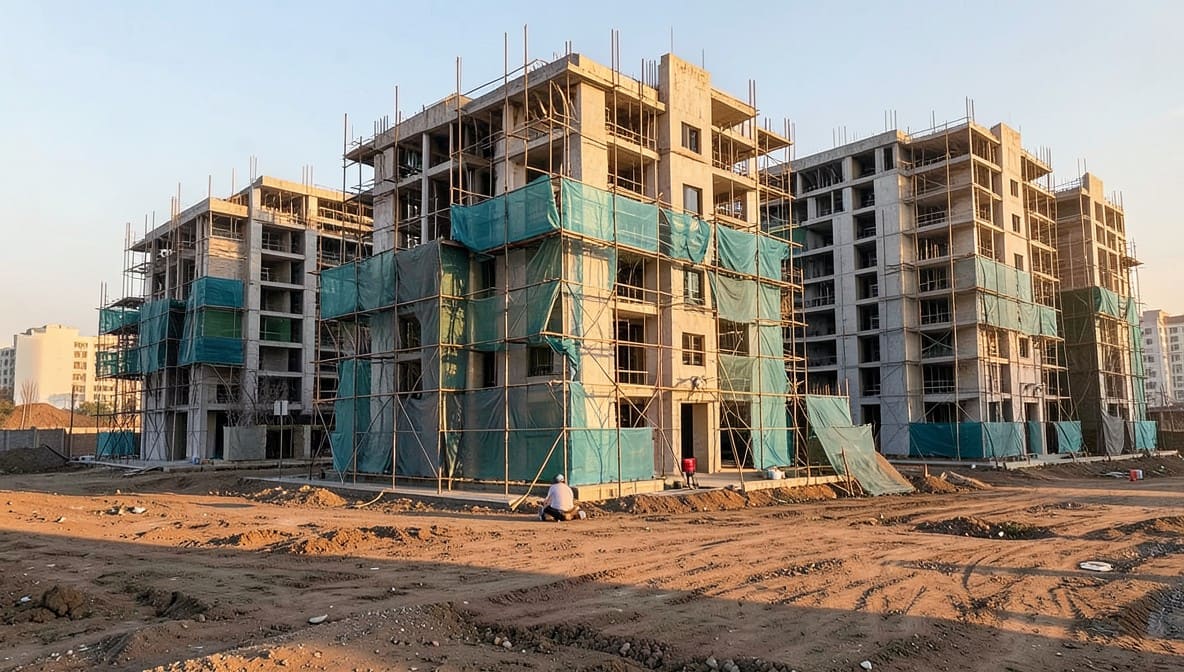
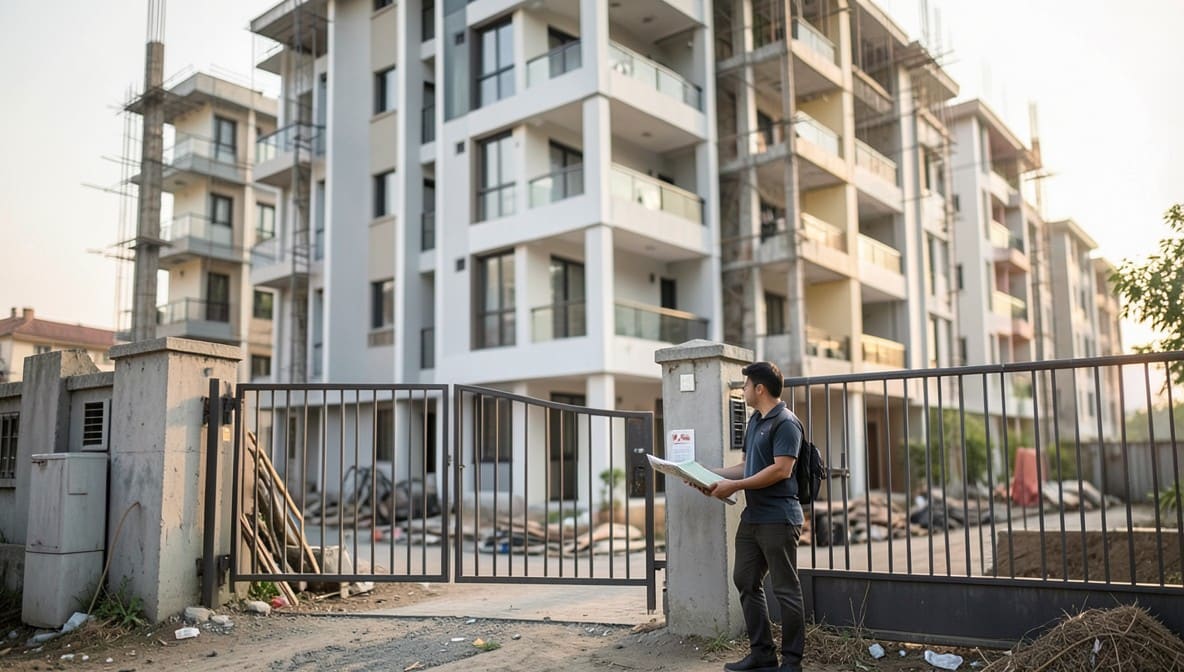
The dispute arises from the Corporate Insolvency Resolution Process (CIRP) of Maple Realcon Private Limited (Corporate Debtor), a real estate developer. The Appellants, Jai Kishore Prasad & Mukta Prasad and Saurabh & Kumari Minakshi, are homebuyers who initially booked flats with Mascot Soho Homes Pvt. Ltd. (MSHPL), a sister concern of the Corporate Debtor. Due to internal group restructuring, their bookings were allegedly transferred to the Corporate Debtor’s project, Misty Heights, under a Settlement Deed dated 01.08.2015. Payments were made to MSHPL between 2012 and 2013, and later, additional payments were made directly to the Corporate Debtor.
Key Facts
- Appellant 1 (Jai Kishore & Mukta Prasad): Paid Rs. 22,70,000 to MSHPL; later paid Rs. 3,00,000 to Corporate Debtor on 09.03.2017; claimed total amount of Rs. 70,25,393 in Form C
- Appellant 2 (Saurabh & Kumari Minakshi): Paid Rs. 21,70,000 to MSHPL; later paid Rs. 3,00,000 to Corporate Debtor on 09.03.2017; claimed total amount of Rs. 67,43,076 in Form C
- Both appellants produced Builder-Buyer Agreements dated 07.03.2017, signed by Mr. B.P. Singh, and payment receipts
- The Corporate Debtor’s former director, Mr. B.P. Singh, signed the Settlement Deed dated 01.08.2015 and issued the allotment letters
- MSHPL later denied the authenticity of the ledger and receipts, claiming they were forged
- The Resolution Professional provisionally admitted the claims on 04.12.2018, reducing the claimed interest amounts but accepting the principal amounts
- The approved Resolution Plan dated 20.02.2020 included Clause 6 permitting the SRA to verify original documents within 60 days of approval
- The SRA failed to undertake verification within the 60-day window
- The Monitoring Committee of Creditors verified the claims of both appellants on 02.02.2022 and recommended acceptance
- The SRA did not disclose this verification to the Adjudicating Authority or the Appellants
Procedural History
- 18.07.2018: NCLT admitted CIRP petition filed by M/s Bindal Merchandise under Section 9 of IBC
- 07.08.2018: Appellants filed claims in Form C with the Resolution Professional
- 04.12.2018: Resolution Professional emailed Appellants admitting principal amounts but keeping interest under verification
- 20.02.2020: NCLT approved Resolution Plan with Clause 6 allowing SRA to verify documents within 60 days
- 02.02.2022: Monitoring Committee verified and recommended acceptance of Appellants’ claims
- 27.11.2024: NCLT passed impugned order directing Appellants to approach SRA for claim scrutiny
- 08.01.2025: Appellants filed appeals before NCLAT challenging the impugned order
- 10.01.2025: SRA responded to Appellants’ compliance with the impugned order, but only ex-directors attended the meeting, not SRA representatives
- 21.04.2026: NCLAT delivered judgment
The Parties' Positions
For the Appellants
- Argued that their claims were provisionally admitted by the Resolution Professional and later verified by the Monitoring Committee
- Contended that the SRA’s 60-day verification window under Clause 6 of the Resolution Plan had lapsed
- Asserted that the SRA cannot re-open claims already admitted and verified under the Code
- Highlighted that the SRA’s conduct amounted to suppression of material facts and abuse of process
- Cited Deccan Value Investors v. Dinkar Venkatasubramanian and Kishore Samrite v. State of Uttar Pradesh to argue that the SRA cannot evade its obligations post-approval
For the Respondent (SRA)
- Claimed that Clause 6 of the Resolution Plan permitted verification of documents even after 60 days
- Argued that the Resolution Professional’s admission was provisional and subject to revision
- Alleged that the Appellants’ documents (ledger, agreements, receipts) were forged and fabricated
- Asserted that Mr. B.P. Singh had no authority to execute documents on behalf of the Corporate Debtor
- Claimed that the SRA was acting in good faith to prevent fraudulent claims
Relief Sought
The Appellants sought:
- Setting aside of the NCLT’s order dated 27.11.2024
- Directing the SRA to allot the flats as per the Builder-Buyer Agreements
- Implementation of the Resolution Plan by accepting their admitted claims
- Costs for abuse of process and suppression of facts
The Legal Issue
The central question was whether a Successful Resolution Applicant can, after the lapse of the 60-day verification window under the approved Resolution Plan, re-verify and potentially reject claims that were provisionally admitted by the Resolution Professional and subsequently verified by the Monitoring Committee, and whether such a power is permitted under the Insolvency and Bankruptcy Code, 2016.
Arguments Presented
For the Appellant
The Appellants relied on the statutory framework under Section 31 of the IBC and Regulation 13 of the CIRP Regulations, which vest exclusive authority to verify and admit claims in the Resolution Professional. They argued that the Resolution Professional’s admission, even if provisional, creates a binding obligation once the Resolution Plan is approved. The Monitoring Committee’s verification on 02.02.2022 further solidified the legitimacy of their claims. The SRA’s failure to act within the 60-day window extinguished its right to re-verify. The Appellants cited Deccan Value Investors to show that SRA cannot later challenge information asymmetry post-approval. They also invoked the doctrine of clean hands from Kishore Samrite, arguing that the SRA’s suppression of the Monitoring Committee’s verification constituted fraud.
For the Respondent
The Respondent contended that Clause 6 of the Resolution Plan, approved by the Committee of Creditors and NCLT, conferred an ongoing right to verify claims. It argued that the Resolution Professional’s admission was provisional and subject to revision under Regulation 14, and that the SRA’s verification was necessary to prevent fraudulent claims. It relied on the lack of original documents, the disputed authority of Mr. B.P. Singh, and the alleged forgery of payment receipts. The Respondent claimed that the impugned order was protective, not prejudicial, and that the Appellants had consented to the verification clause by participating in the CIRP.
The Court's Analysis
The NCLAT undertook a rigorous statutory and contractual analysis. It first examined Section 31 of the IBC, which states that the approved Resolution Plan is binding on all stakeholders. The Tribunal emphasized that the Plan’s Clause 6 explicitly limited verification to a 60-day window following approval on 20.02.2020. Since no verification was conducted within this period, the SRA’s authority to verify lapsed.
"The power to admit a claim and the power to re-determine any amount of claim vests solely with the Resolution Professional. The SRA cannot claim a power that has been solely vested in the RP. To do so would pervert the purpose of the law and permit the SRA to reject all rightful claims made."
The Tribunal further held that Regulation 13 of the CIRP Regulations exclusively vests verification authority in the Resolution Professional, not the SRA. The SRA’s role is implementation, not adjudication. The Monitoring Committee’s verification on 02.02.2022, which was not disclosed by the SRA, constituted a conclusive internal validation of the claims.
The Court rejected the SRA’s argument that the Resolution Professional’s admission was merely provisional and subject to indefinite revision. It cited Deccan Value Investors to affirm that SRA cannot exploit information asymmetry post-approval to evade obligations. The Tribunal noted that the SRA’s conduct - failing to act within 60 days, suppressing the Monitoring Committee’s findings, and later alleging forgery - amounted to an abuse of process.
"An insolvency resolution process is not a casino where SRA can wager on the rights of stranded homebuyers."
The Court also found the SRA’s reliance on Mr. B.P. Singh’s alleged lack of authority to be disingenuous, given that he signed the Settlement Deed and was recognized by the Corporate Debtor’s own records. The SRA’s failure to produce the Monitoring Committee’s minutes, despite being the custodian, further undermined its credibility.
The Tribunal concluded that the NCLT’s order directing fresh scrutiny was legally unsustainable. The Appellants’ claims were substantiated by multiple documents, admitted by the RP, and verified by the Monitoring Committee. The SRA’s belated challenge was an impermissible attempt to circumvent the statutory framework.
The Verdict
The NCLAT allowed both appeals and set aside the impugned order dated 27.11.2024. It directed the Successful Resolution Applicant to immediately allot the flats to both Appellants as per the Builder-Buyer Agreements dated 07.03.2017 and the list of creditors. The SRA must take the differential amount due from the Appellants as per the approved payment schedule and hand over physical possession. All related applications are disposed of. The Tribunal further directed the Insolvency and Bankruptcy Board of India (IBBI) to investigate whether the CIRP was fraudulently initiated and to issue guidelines prohibiting resolution plans that permit SRA re-verification of claims already admitted by the Resolution Professional.
What This Means For Similar Cases
Verification Clauses in Resolution Plans Are Time-Bound and Non-Retroactive
- Practitioners must now argue that any verification clause in a Resolution Plan must be exercised within the stipulated period, typically 60 days post-approval
- Failure to act within this window extinguishes the SRA’s right to re-verify, even if the claim was provisionally admitted
- Any attempt to reopen claims after this period is legally invalid and violates Section 31 of the IBC
Admission by Resolution Professional Is Binding Unless Overturned by Statutory Process
- Provisional admission by the Resolution Professional, even if subject to revision, becomes binding upon approval of the Resolution Plan
- Only the Resolution Professional, not the SRA, may revise claims under Regulation 14
- Monitoring Committee verification, even if internal, constitutes a conclusive validation that the SRA cannot ignore
Suppression of Material Facts Will Lead to Adverse Inferences
- Failure to disclose verification reports or committee decisions to the Tribunal constitutes suppression of material facts
- Courts may invoke the doctrine of clean hands (Kishore Samrite) to deny relief to parties who conceal evidence
- Practitioners should immediately raise allegations of suppression and seek costs when such conduct is evident
IBBI Must Intervene to Prevent Systemic Abuse
- The judgment calls for IBBI to issue guidelines prohibiting clauses that allow SRA to re-verify admitted claims
- Future Resolution Plans must not contain ambiguous verification clauses that create uncertainty for homebuyers
- Legal drafting of Resolution Plans must align with statutory hierarchy: RP verifies → COC approves → SRA implements