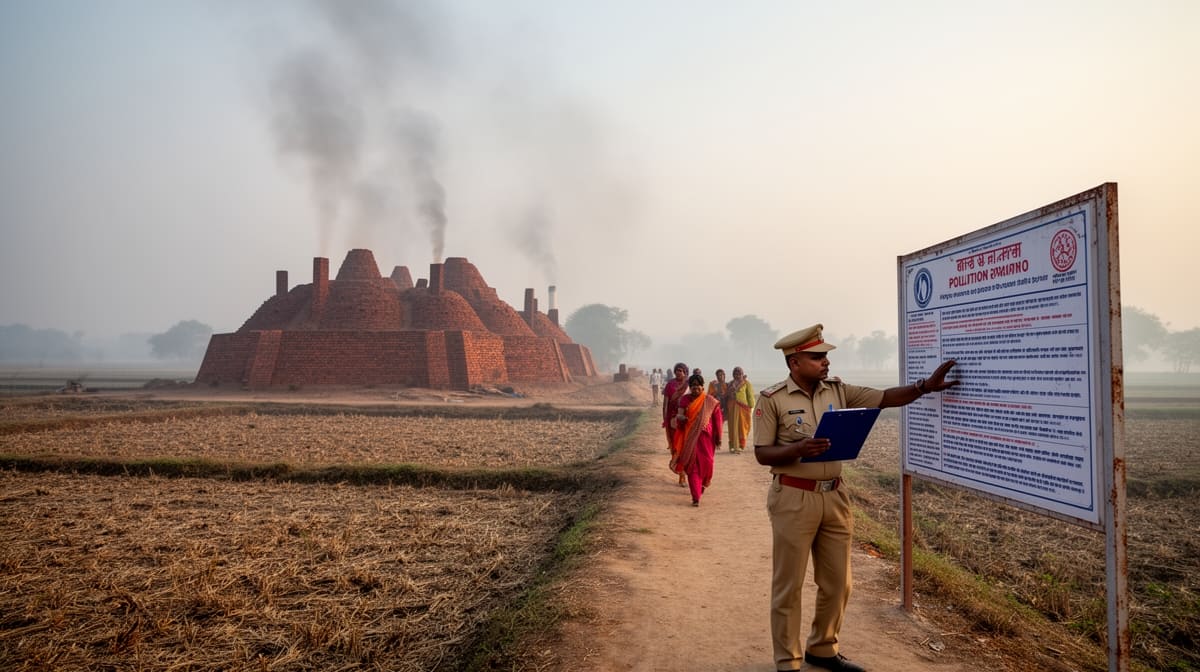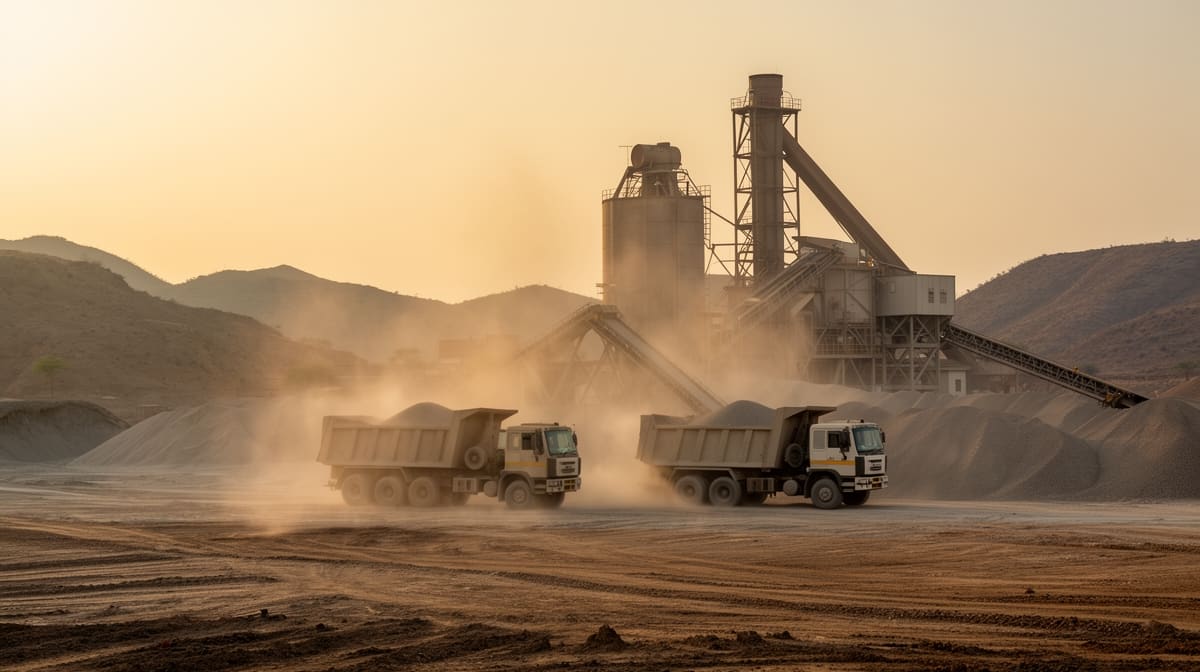
The National Green Tribunal has established a critical precedent by holding that industries consuming illegally mined raw materials may be held jointly liable for environmental degradation, even if they do not directly engage in mining. This ruling redefines accountability in supply chains, compelling end users to verify the legality of mineral sources under environmental law.
Background & Facts
The Dispute
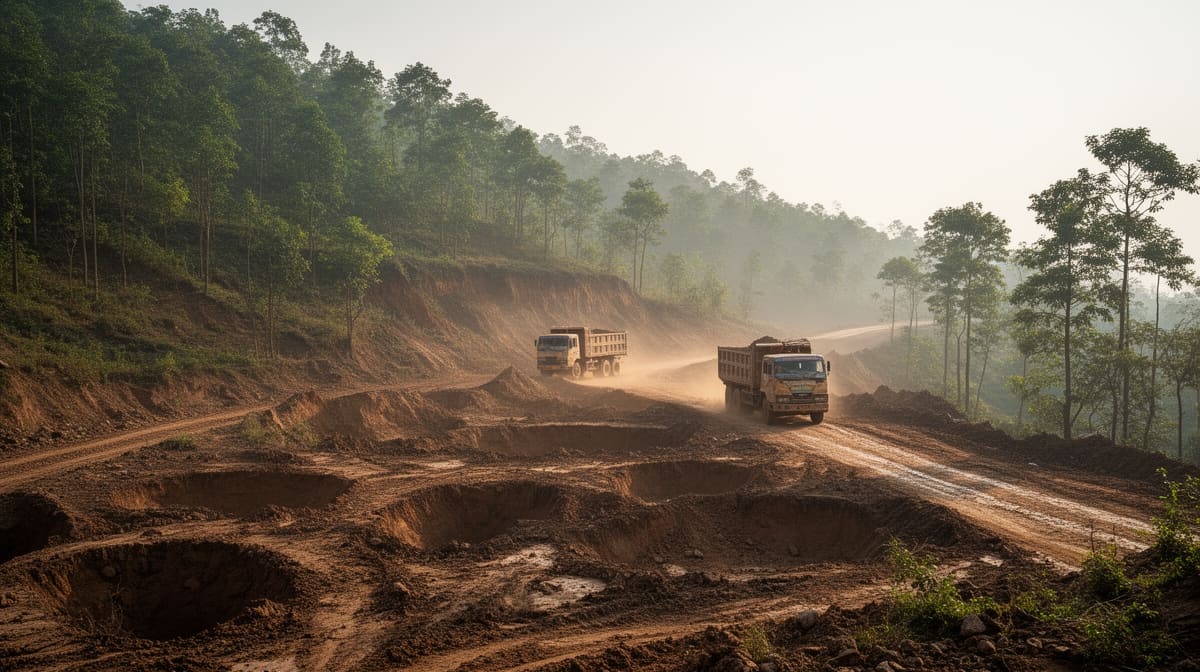
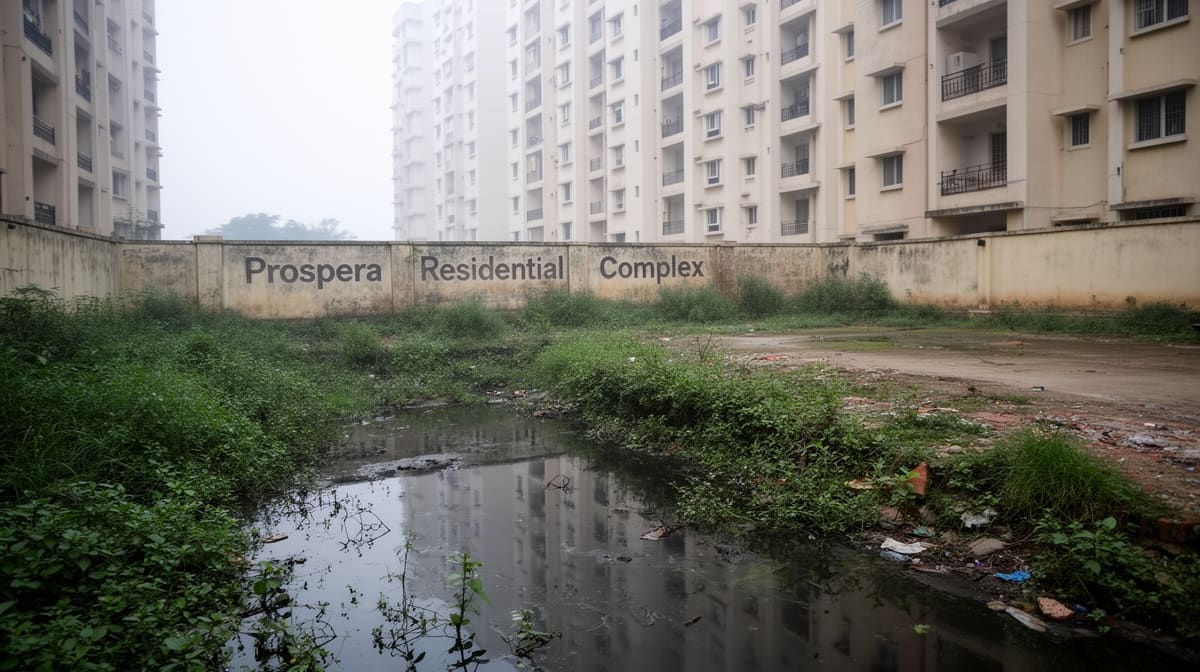
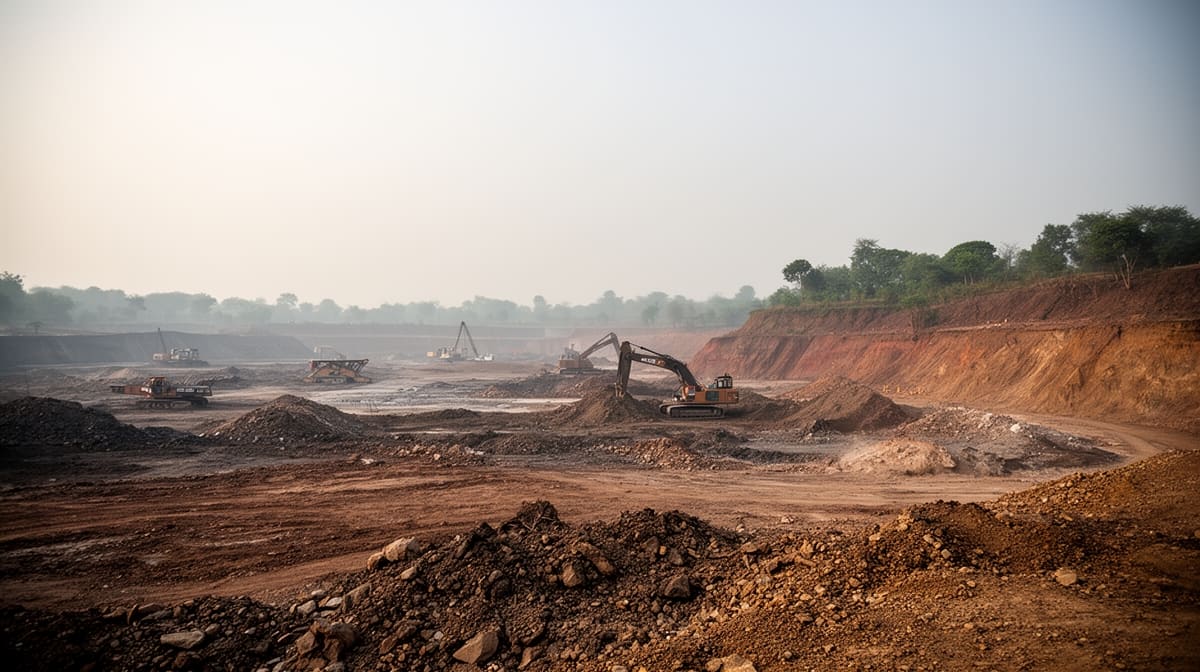
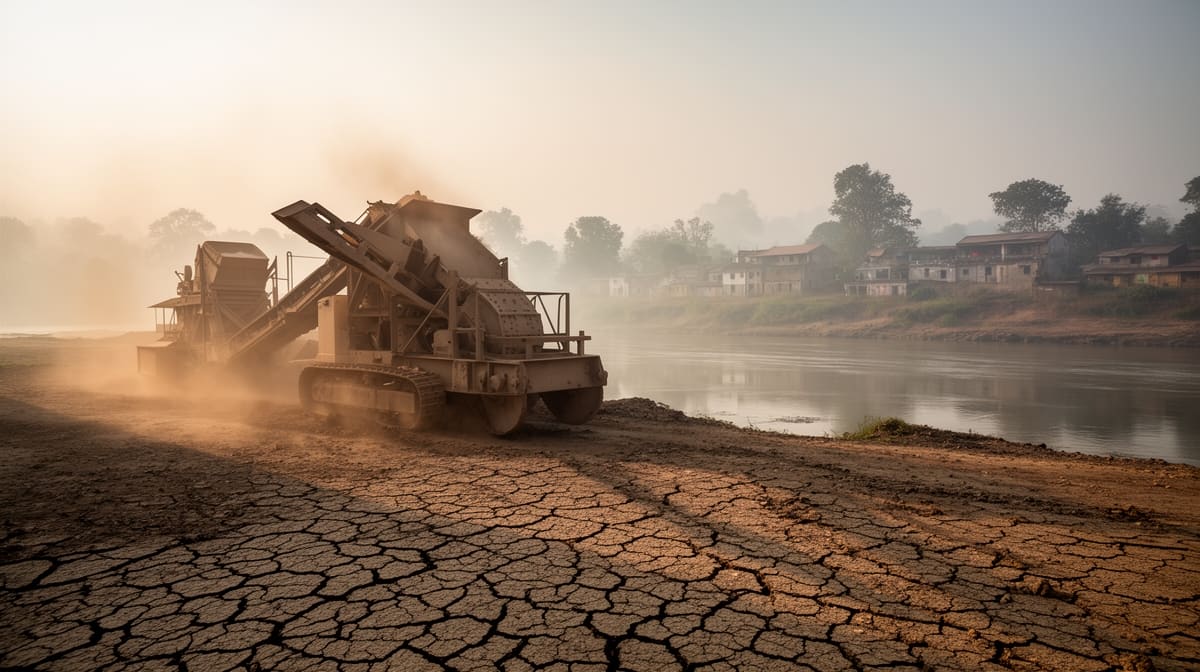
The Original Application No.101 of 2019 challenged illegal limestone mining in Gujarat’s ecologically sensitive regions, naming 64 mining entities as primary violators. Among the respondents were 11 cement and chemical manufacturers, including Gujarat Heavy Chemicals Limited (GHCL), which operates a soda ash plant in Sutrapada. The applicants alleged that these manufacturers knowingly purchased illegally mined limestone, thereby promoting and sustaining the illegal mining ecosystem.
Procedural History
- 18 July 2018: A prior Original Application (O.A. No.58/2018) was filed against the same mining entities, resulting in a judgment on 14 November 2022 imposing compensation on miners.
- 27 November 2019: O.A. No.101/2019 was filed, expanding the list of respondents to include end users like GHCL, alleging their role in enabling illegal mining through consumption.
- 25 November 2022: The Tribunal directed deletion of the mining entities already adjudicated in O.A. No.58/2018, but retained end users pending further evidence.
- 125/2023: GHCL filed an interlocutory application seeking deletion from the array of parties, arguing it was a proforma party with no mining operations.
Relief Sought
The applicants sought: (1) retention of end users as parties to the proceeding; (2) mandatory disclosure of limestone procurement records; and (3) imposition of liability under Section 17(2) of the National Green Tribunal Act, 2010 for environmental damage caused through indirect participation in illegal mining.
The Legal Issue
The central question was whether end users of illegally mined minerals, who knowingly consume such materials, can be held legally accountable under the National Green Tribunal Act, 2010 for environmental degradation, even in the absence of direct mining activity.
Arguments Presented
For the Petitioner
The applicants argued that: (1) Section 17(2) of the National Green Tribunal Act, 2010 empowers the Tribunal to apportion liability equitably among all parties responsible for environmental harm, including those who promote illegal activity through demand; (2) Rule 10(6) of the Gujarat Mineral Rules imposes a duty of due diligence on end users to certify mineral sources; (3) purchasing limestone from known illegal miners constitutes active promotion of environmental violation; and (4) the Tribunal’s prior rulings in All Dimasa Students Union v. State of Meghalaya established that environmental harm must be assessed holistically, including downstream consumption.
For the Respondent
GHCL contended that it operates only a soda ash plant and does not engage in mining. It argued that it was named as a proforma party without specific allegations of environmental violation by its plant. It relied on C.L. Gupta Export Ltd. v. Adil Ansari, where the Supreme Court limited liability to direct polluters, asserting that mere purchase of raw materials without direct emission or extraction cannot attract liability.
The Court's Analysis
The Tribunal rejected GHCL’s reliance on C.L. Gupta Export Ltd., distinguishing it on grounds that the Supreme Court case involved direct effluent discharge and groundwater extraction - activities clearly attributable to the industry itself. In contrast, this case involved indirect but intentional participation in a chain of environmental destruction.
"The environmental degradation has to be taken into consideration in its totality and appropriate orders are required to be passed, concluding whether compensation is to be levied, if any."
The Tribunal emphasized that Section 17(2) was enacted precisely to address complex, multi-party environmental harm where liability cannot be confined to the immediate polluter. It noted that the Gujarat Mineral Rules impose a statutory obligation on end users to maintain records of mineral sources, implying a duty of verification. Failure to do so, particularly when illegal mining is widespread and publicly known, constitutes negligence amounting to complicity.
The Tribunal further drew parallels with its own precedent in All Dimasa Students Union, where it held that mass consumption centers like cement plants actively incentivize illegal mining. The Court held that knowledge of illegal sourcing, combined with continued procurement, transforms a passive buyer into an active enabler under environmental law.
The Tribunal rejected the notion that liability requires direct physical harm. Instead, it adopted a systemic view: environmental damage caused by illegal mining is perpetuated by market demand. End users who ignore due diligence become integral to the violation.
The Verdict
The applicants prevailed. The Tribunal held that end users of illegally mined minerals cannot evade liability by claiming non-mining status. GHCL’s application for deletion was rejected, and all respondents in the range of 14 to 24 were directed to disclose their limestone procurement records under oath.
What This Means For Similar Cases
End Users Cannot Claim Innocence Through Denial
- Practitioners must now argue that knowledge of illegal sourcing + continued procurement = contributory liability under Section 17(2) of the National Green Tribunal Act, 2010.
- Industries must maintain auditable records of mineral sources from inception; failure may be construed as willful blindness.
- Affidavits denying supply from illegal miners are insufficient without supporting documentation.
Due Diligence Is a Legal Obligation, Not a Best Practice
- Rule 10(6) of the Gujarat Mineral Rules and analogous provisions in other states create a statutory duty to verify mineral provenance.
- The Tribunal has now equated failure to verify with active promotion of environmental harm.
- Legal due diligence must include: (a) supplier audits, (b) transport documentation, (c) cross-referencing with state mining databases.
NGT Will Assess Environmental Harm Holistically
- Courts will no longer compartmentalize mining, transport, and consumption as separate acts.
- Supply chain liability is now a recognized doctrine in environmental jurisprudence.
- Future applications against cement, steel, and chemical industries must include procurement history as a core evidentiary component.