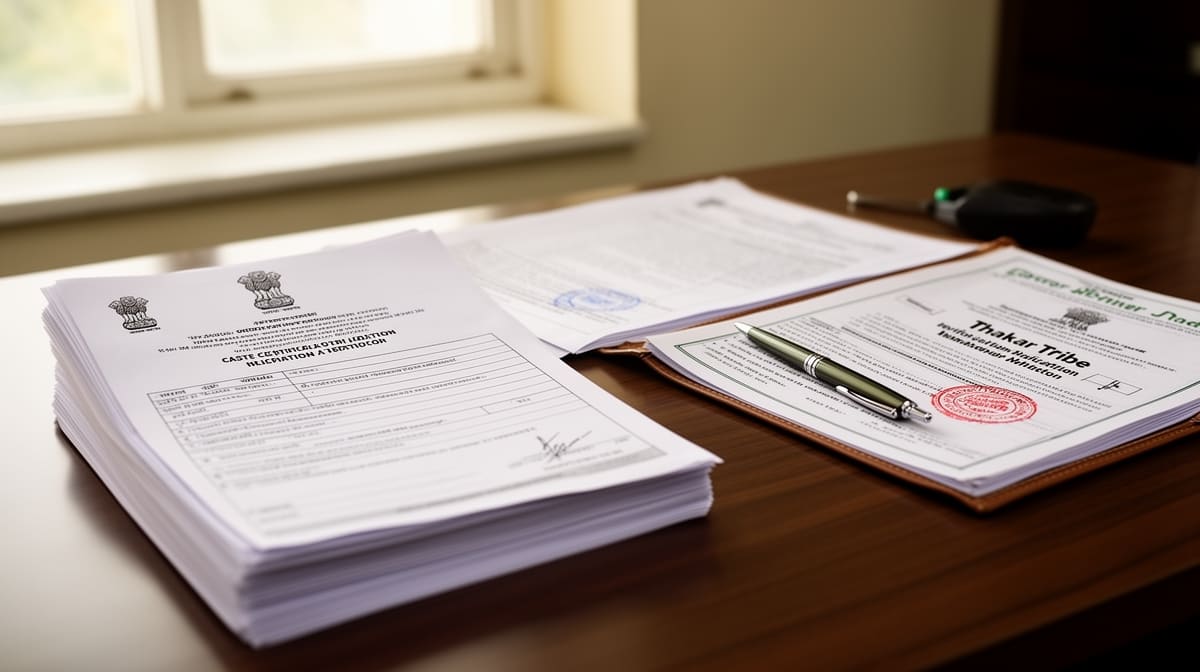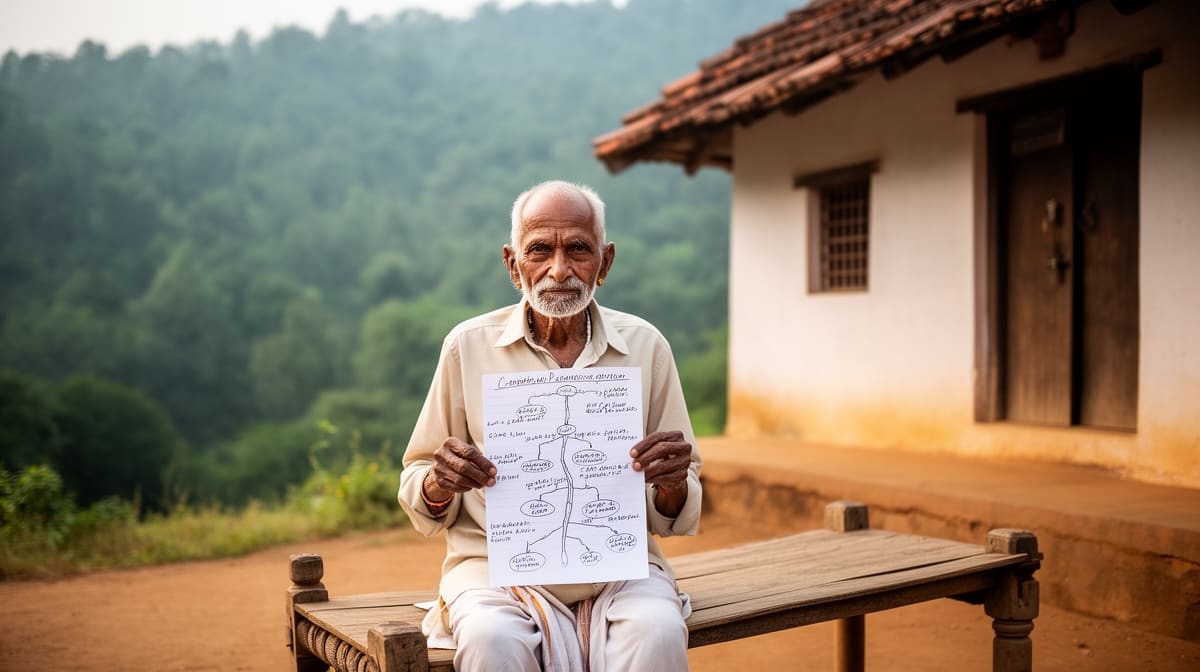
A landmark ruling by the Bombay High Court has clarified that the issuance of a Scheduled Tribe caste certificate to a biological sibling creates a presumptive right for the applicant, which cannot be denied merely on the basis of unproven allegations or pending show-cause notices. This decision reinforces the principle that familial lineage, not socio-cultural affinity alone, forms the legal bedrock for caste certification under the Scheduled Tribes framework.
Background & Facts
The Dispute
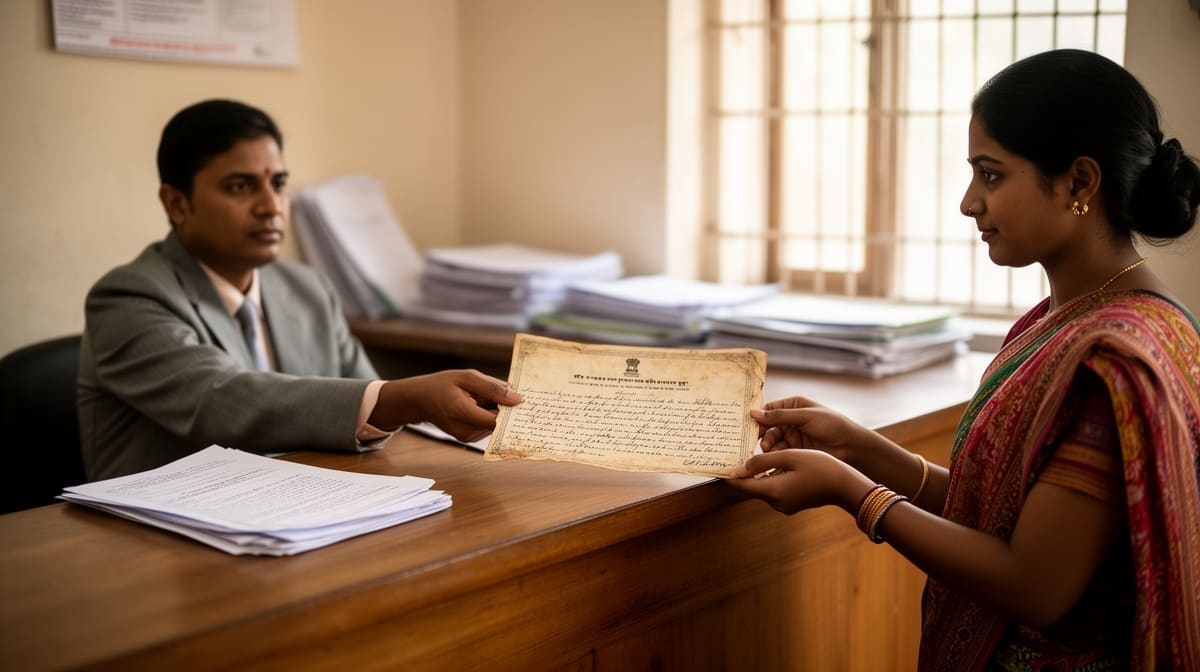
The petitioner, Smt. Shilpa Jay Wagh, was granted a Scheduled Tribe (Thakur) caste certificate in 1991 and appointed as a Junior Clerk with the Nashik Municipal Corporation in 1999. In 2011, her certificate was referred for verification after her biological brother, Harshal Punjaram Ahire, had been issued a valid Thakur caste certificate in 2001. Despite this, the Scheduled Tribe Certificate Scrutiny Committee invalidated her claim in 2019, citing lack of socio-cultural affinity with the Thakur community.
Procedural History
- 1991: Petitioner granted Thakur Scheduled Tribe certificate
- 1999: Appointed as Junior Clerk, Nashik Municipal Corporation
- 2011: Certificate referred for verification by Municipal Corporation
- 2019: Scrutiny Committee invalidates claim, citing absence of affinity
- 2024: Bombay High Court sets aside 2019 order, remands for reconsideration per Maharashtra Adiwasi Thakur Jamat Swarakshan Samiti v. State of Maharashtra
- 2024: Scrutiny Committee issues impugned order again denying certificate, citing pending show-cause notices against her brother
- 2026: Petitioner files present writ petition challenging the 2024 order
Relief Sought
The petitioner seeks quashing of the 8 November 2024 order and direction to the Scrutiny Committee to issue her a valid Scheduled Tribe certificate, relying on the validity of her brother’s certificate and binding precedents.
The Legal Issue
The central question was whether the issuance of a valid Scheduled Tribe certificate to a biological sibling, following lawful inquiry, entitles an applicant to the same benefit, even if the affinity test is not satisfied, and whether pending show-cause notices against the sibling can override this presumption.
Arguments Presented
For the Petitioner
Advocate R.K. Mendadkar relied on Maharashtra Adiwasi Thakur Jamat Swarakshan Samiti v. State of Maharashtra and Santosh Baban Thakur (Rajwade) v. State of Maharashtra, arguing that once a blood relative from the paternal side has been granted a caste certificate after due inquiry, the Scrutiny Committee cannot demand a separate vigilance cell inquiry or apply the affinity test as a litmus test. He emphasized that the Supreme Court had explicitly held that familial lineage, not cultural assimilation, is the decisive factor.
For the Respondent
Advocate Kavita N. Solunke, AGP, contended that the petitioner’s brother’s certificate was under scrutiny due to show-cause notices alleging fraud, rendering it unreliable. She argued that the Scrutiny Committee was justified in withholding the certificate pending final determination of the brother’s case, asserting that the Committee must protect public interest against fraudulent claims.
The Court's Analysis
The Court examined the Supreme Court’s ruling in Maharashtra Adiwasi Thakur Jamat Swarakshan Samiti v. State of Maharashtra, particularly paragraphs 21 to 23, which held that the affinity test is not a mandatory or conclusive criterion for determining Scheduled Tribe status. The Court noted that the Supreme Court had explicitly stated:
"If it is established that the father or grandfather of the Applicant has been given a caste validity certificate after holding a lawful inquiry, the caste scrutiny committee cannot hold that the grandfather or father of the Applicant as the case may be, belongs to the Scheduled Tribe but the Applicant does not belong to the Scheduled Tribe."
The Bombay High Court further relied on its own coordinate bench decision in Santosh Baban Thakur (Rajwade), which directly applied the Supreme Court’s reasoning to facts identical to the present case. The Court rejected the Respondent’s reliance on pending show-cause notices against the petitioner’s brother, citing Shweta Balaji Isankar v. State of Maharashtra, which held that mere allegations or notices do not nullify a certificate issued after lawful inquiry. The Court emphasized that the burden to prove fraud lies with the State, and cannot be discharged by procedural pendency alone. The Scrutiny Committee’s refusal to extend the benefit of the brother’s certificate was therefore arbitrary and violative of the principle of equal treatment under Article 14.
The Verdict
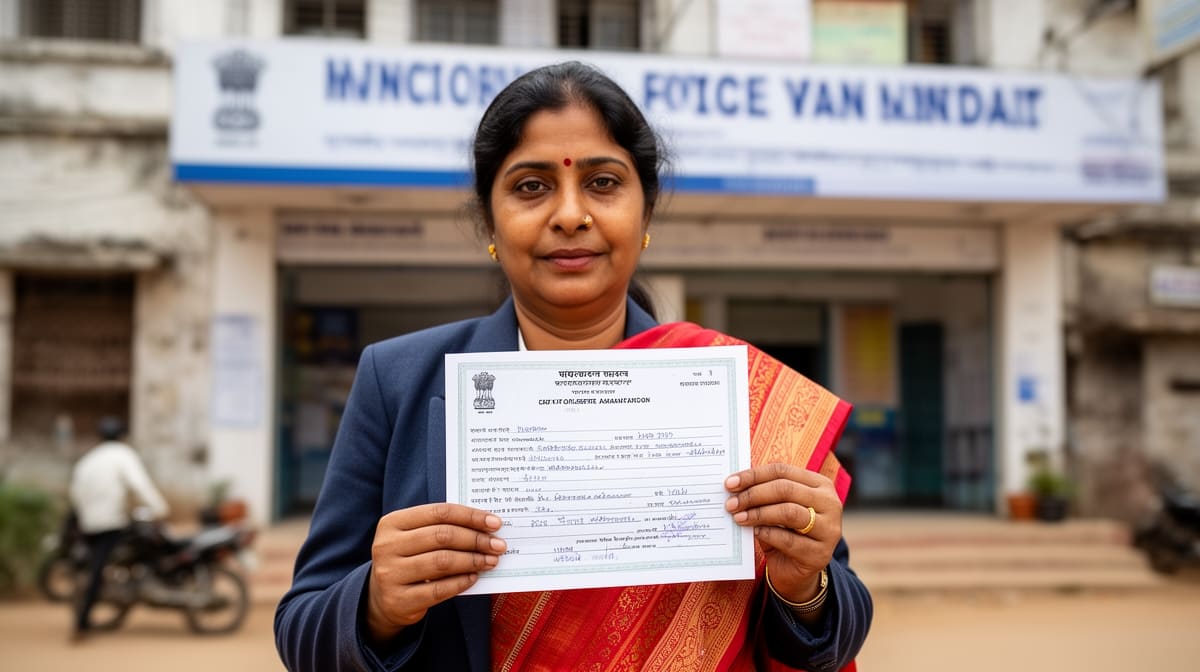
The petitioner won. The Bombay High Court quashed the 8 November 2024 order and directed the Scrutiny Committee to issue the petitioner a valid Scheduled Tribe certificate within 30 days. The Court held that a valid caste certificate issued to a biological sibling, following lawful inquiry, creates a binding presumption in favor of the applicant, and pending show-cause notices against the sibling cannot override this legal entitlement.
What This Means For Similar Cases
Validity of Sibling’s Certificate Is Conclusive Unless Fraud Proven
- Practitioners must now argue that a caste certificate issued to a biological sibling after lawful inquiry is prima facie valid and binding on the Scrutiny Committee
- The burden shifts to the State to prove fraud through concrete evidence, not mere allegations or pending proceedings
- Affinity tests cannot be used to override established familial lineage
Show-Cause Notices Do Not Invalidate Prior Certificates
- Issuing a show-cause notice against a blood relative does not automatically cast doubt on their certificate
- Scrutiny Committees must await final adjudication before questioning the validity of prior grants
- Any attempt to deny benefits based on pending proceedings violates natural justice and Article 14
Precedent Binding Across Coordinate Benches
- Decisions of coordinate benches on identical facts are binding unless overruled by a larger bench
- Practitioners should cite Santosh Baban Thakur (Rajwade) and Sanjay s/o Krushna Thakur as controlling authority in all Thakur tribe cases
- The Court’s conditional direction allowing future reopening if the sibling’s certificate is later invalidated ensures procedural fairness without undermining present rights