The Supreme Court has reaffirmed that bail cannot be granted by prematurely dissecting medical evidence or demanding precise attribution of injuries in cases involving unlawful assembly and atrocities against Scheduled Castes. The judgment underscores that at the bail stage, courts must assess the prima facie seriousness of allegations, not adjudicate evidentiary credibility reserved for trial.
Background & Facts
The Dispute
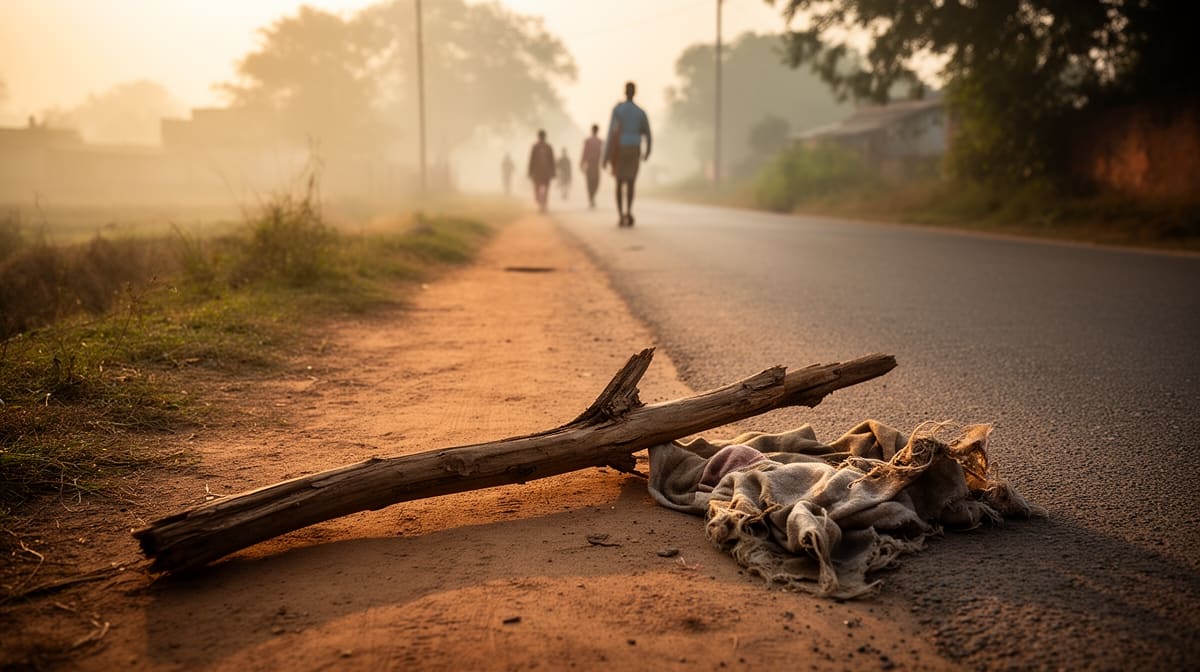
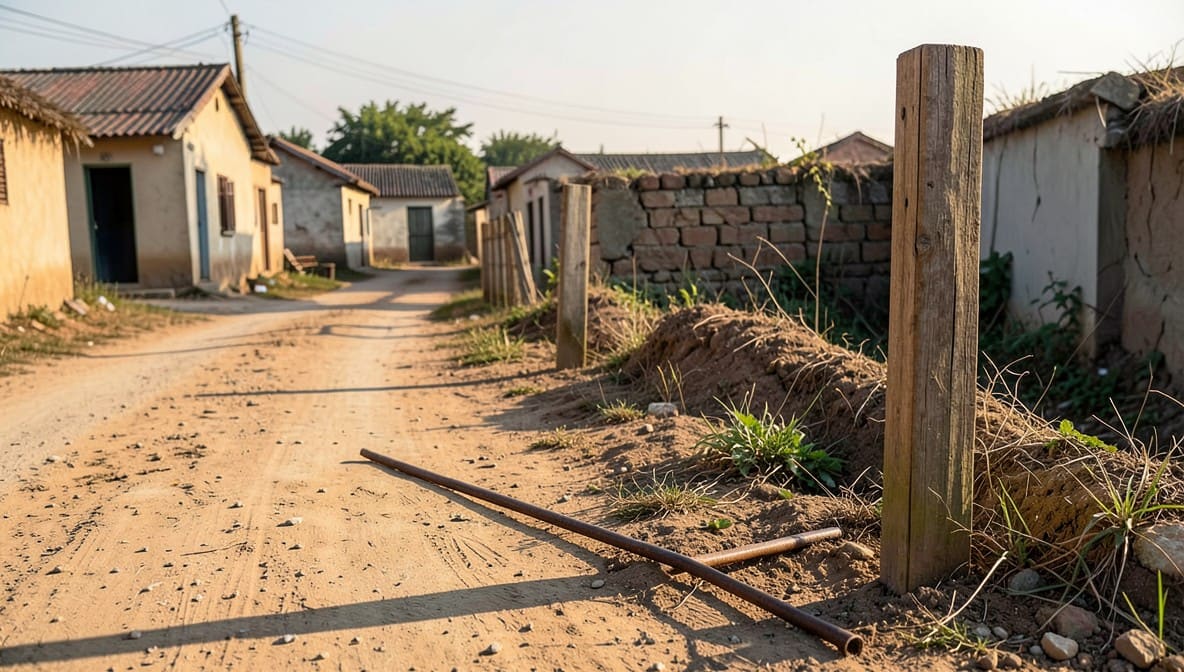
The dispute originated from a long-standing civil conflict over a right of way on agricultural land between the family of the complainant, Shobha Namdev Sonavane, and the accused persons. On 19th August 2022, the complainant’s husband, Namdev Sonavane, was attacked by six individuals near a shop on the Shirdi-Lasalgaon Road. According to the FIR, the accused, armed with iron rods and sticks, assaulted Namdev while also subjecting the complainant to caste-based abuse and obscene acts. Namdev succumbed to his injuries on 24th August 2022.
Procedural History
- 19 August 2022: FIR No. 322 of 2022 registered at Kopargaon Taluka Police Station under Sections 302, 354, 294, 326, 324, 323, 504, 506, 509, 143, 144, 147, 148, 149, 427 of the Indian Penal Code and Sections 3(1)(r), 3(1)(s), 3(2)(5), 3(2)(v-a), 3(1)(w), 3(1)(g) of the SC/ST Act.
- March 2023: High Court of Bombay (Aurangabad Bench) granted bail to respondents 1 and 2, citing gaps in witness testimony and the pendency of civil litigation.
- 2026: Supreme Court heard the appeal against the bail order under Article 136 of the Constitution.
Relief Sought
The appellant sought cancellation of the bail order granted by the High Court, arguing that the court erred in evaluating evidentiary details at the pre-trial stage and ignored the gravity of offences under the SC/ST Act and the doctrine of common object in unlawful assembly.
The Legal Issue
The central question was whether a High Court can grant bail in a case involving unlawful assembly and atrocities under the SC/ST Act by requiring the prosecution to precisely attribute specific injuries to individual accused persons, and by treating the pendency of civil litigation as a ground to doubt the veracity of the complaint.
Arguments Presented
For the Appellant
The appellant’s counsel argued that the High Court misapplied bail jurisprudence by dissecting medical evidence as if conducting a trial. It was contended that the FIR clearly established an unlawful assembly with a common object to commit violence, making each member liable under Section 149 IPC. The caste-based abuse and multiple injuries, including a fatal head wound, warranted denial of bail. The pendency of civil litigation was not a mitigating factor but the very motive for the crime.
For the Respondent
The respondents’ counsel argued that the absence of specific witness testimony identifying which accused caused the fatal injury created reasonable doubt. They emphasized the six-day gap between the assault and death, suggesting possible intervening causes. They also contended that bail once granted should not be cancelled unless there is evidence of abuse, and that the High Court’s order was based on a balanced assessment of the record.
The Court's Analysis
The Supreme Court held that the High Court committed a fundamental error by applying a trial-stage standard to the bail stage. The Court emphasized that bail is not a reward for weak prosecution, but a procedural safeguard subject to the gravity of the offence and the likelihood of justice being obstructed.
"In a case where the offence is committed by an unlawful assembly, each member of the assembly is equally responsible for the acts committed in furtherance of the unlawful object."
The Court noted that the invocation of Sections 143, 147, 148, and 149 IPC established the existence of an unlawful assembly with a common object to assault and kill. The number of injuries - eight on a body attacked by six persons - did not suggest over-implication but rather the ferocity of the attack. The Court rejected the High Court’s reasoning that the absence of precise injury attribution entitled the accused to bail, stating that such scrutiny belongs to the trial court.
The Court also dismissed the reliance on the civil dispute as a ground to doubt the complaint, observing that such disputes often fuel caste-based violence. The delay between injury and death was deemed a matter for medical experts and the trial court to evaluate, not a basis for bail.
The Court further cited Shabeen Ahmad v. State of Uttar Pradesh and Victim ‘X’ v. State of Bihar to reinforce that bail in cases involving atrocities against Scheduled Castes must be denied where the facts shake the conscience of the court and societal impact is severe.
The Verdict
The appellant succeeded. The Supreme Court cancelled the bail granted by the High Court, holding that the doctrine of common object under Section 149 IPC and the gravity of offences under the SC/ST Act preclude bail when the allegations establish a concerted, caste-motivated attack. The accused must surrender within four weeks, and the trial court is directed to conclude the trial within one year.
What This Means For Similar Cases
Bail Cannot Be Granted By Demanding Precise Injury Attribution
- Practitioners must argue that in cases of unlawful assembly, the prosecution need not prove individual causation of injuries at the bail stage.
- Courts must not require the complainant to pinpoint which accused caused which injury - this is a trial issue.
- The presence of multiple injuries on a victim attacked by a group supports the existence of a common object, not doubt.
Civil Disputes Are Not Grounds to Discredit Atrocities Complaints
- A prior civil dispute cannot be used to infer false implication in SC/ST Act cases.
- Courts must recognize that such disputes often serve as the motive for caste-based violence, not a reason to doubt the victim’s testimony.
- The burden shifts to the accused to show mala fide intent in filing the complaint, not to the prosecution to disprove it.
Trial Courts Must Expedite Cases Under SC/ST Act
- The Supreme Court’s directive to conclude the trial within one year signals a new emphasis on timely justice in atrocity cases.
- Practitioners should file applications under Section 309 CrPC to seek time-bound trial dates in similar cases.
- Delay in trial cannot be used to justify prolonged pre-trial detention or unwarranted bail.