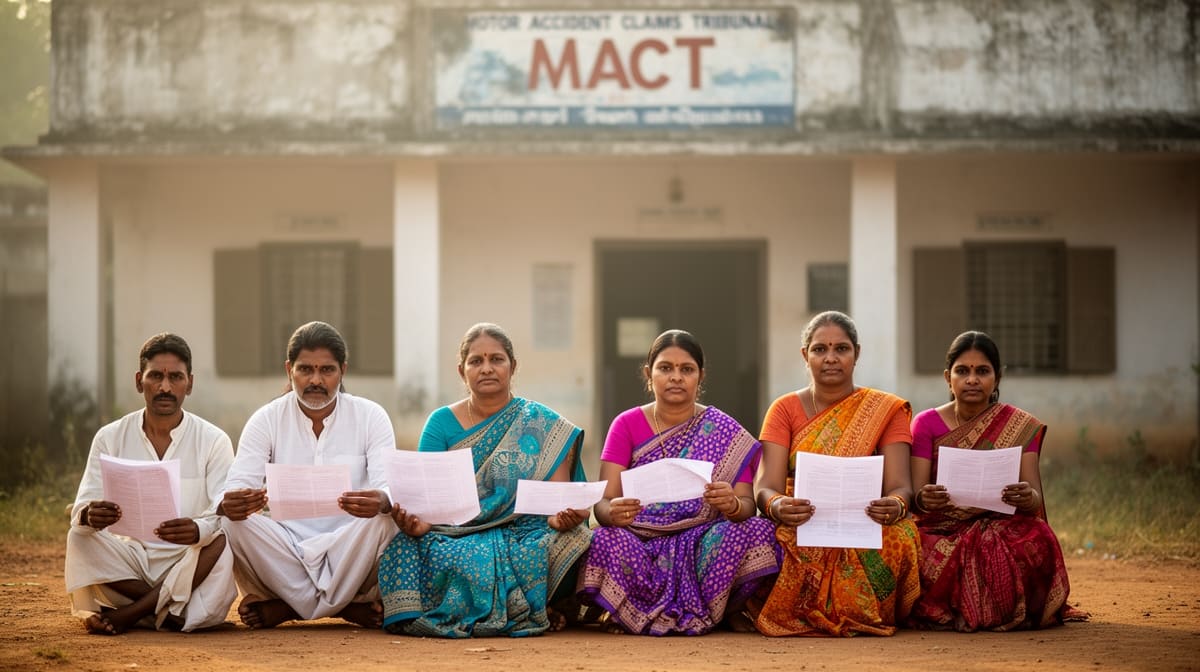
The Karnataka High Court has clarified that pending motor accident claim petitions may proceed with evidence and hearings, even if limitation issues remain unresolved, pending final adjudication by the Supreme Court. This interim directive ensures claimants are not prejudiced by procedural delays while the apex court considers the broader legal question under the amended Motor Vehicles Act.
Background & Facts
The Dispute
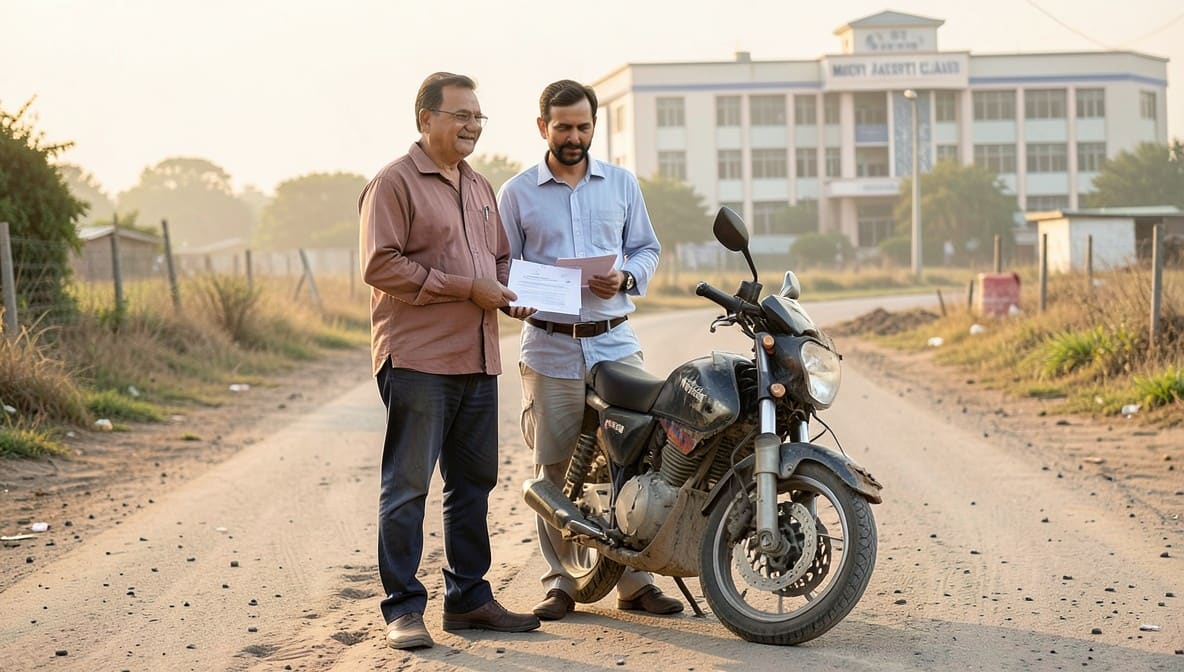
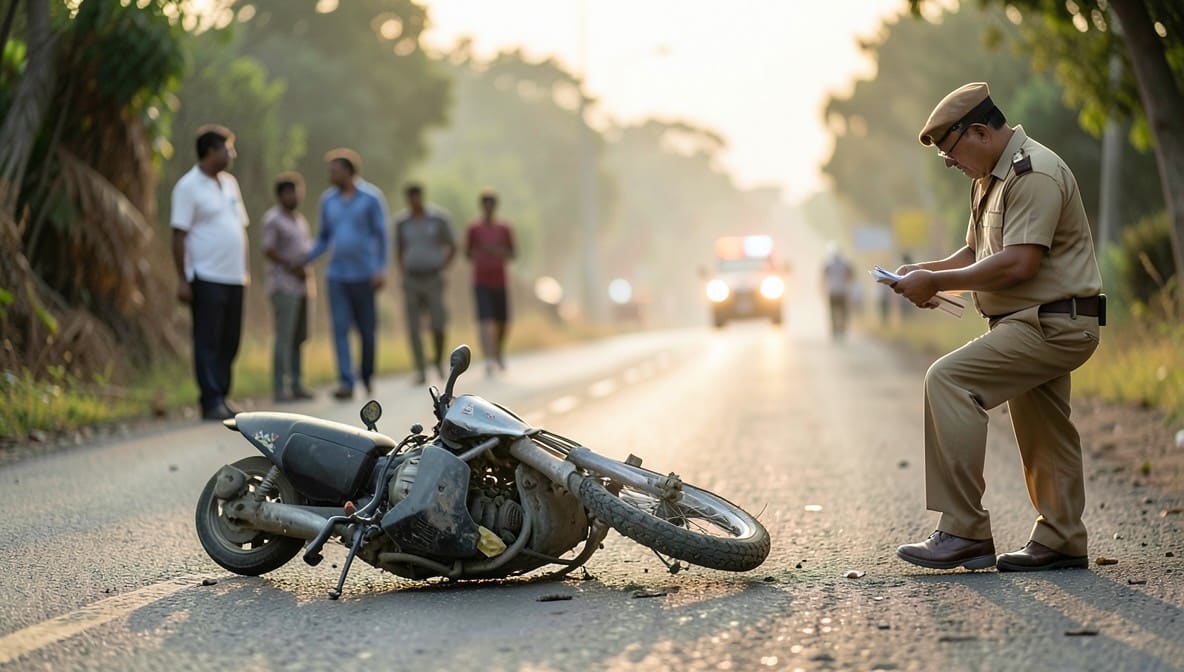
The petitioner, ICICI Lombard Insurance Co. Ltd., challenged an order dated 05.10.2024 passed by the Senior Civil Judge & Additional MACT, Bhalki, in MVC No. 618/2023. The order rejected the insurer’s application to dismiss the claim petition on the ground of limitation. The claim petition was filed by the respondents, Shivraj S/o Jagannath Bhure and Narayan S/o Gyaneshwar Biradar, arising from a motor accident involving the respondent’s TVS Star City motorcycle (KA-39-U-2859). The insurer contended that the claim was barred by limitation under the amended provisions of the Motor Vehicles Act, 1988.
Key Facts
- The accident occurred on an unspecified date prior to the filing of the claim petition.
- The claim petition was filed before the Motor Accident Claims Tribunal, Bhalki, under MVC No. 618/2023.
- The insurer filed I.A. No. II seeking dismissal of the claim on grounds of limitation.
- The Tribunal rejected the insurer’s application on 05.10.2024, holding that the claim was not time-barred.
- The insurer filed this writ petition under Article 227 of the Constitution of India on 20.01.2025.
- The petition sought quashing of the Tribunal’s order dated 05.10.2024.
Procedural History
- Date of Accident: Not specified in judgment, but claim petition filed prior to 05.10.2024.
- 05.10.2024: Senior Civil Judge & Addl. MACT, Bhalki, rejected insurer’s application to dismiss claim on limitation grounds.
- 20.01.2025: Writ Petition No. 200102 of 2025 filed before Karnataka High Court, Kalaburagi Bench.
- 12.03.2026: Writ petition heard and disposed of by Justice S. Vishwajith Shetty.
Relief Sought
The petitioner sought:
- Quashing of the order dated 05.10.2024 passed in I.A. No. II in MVC No. 618/2023.
- Direction to dismiss the claim petition on grounds of limitation.
- Any other relief deemed fit by the Court.
The Legal Issue
The central question was whether motor accident claim petitions may be allowed to proceed with evidence and hearings despite pending challenges to the interpretation of the limitation period under the amended Motor Vehicles Act, particularly in light of the Supreme Court’s interim order in Bhagirathi Dash v. Union of India.
Arguments Presented
For the Petitioner
The insurer’s counsel argued that the Tribunal erred in allowing the claim petition to proceed, as the limitation period under the amended Motor Vehicles Act was under judicial scrutiny before the Supreme Court. Reliance was placed on the pendency of Bhagirathi Dash v. Union of India (WP(C) No. 166/2024) and the need to await final clarity before permitting adjudication of claims.
For the Respondent
The respondents did not file a written reply. However, the Court noted that the Tribunal had already examined the limitation issue and found no bar, and that the claimants’ right to compensation should not be delayed indefinitely due to pending constitutional questions.
The Court's Analysis
The Court acknowledged the pendency of Bhagirathi Dash v. Union of India before the Supreme Court, which raises substantial questions regarding the interpretation of limitation under the amended Motor Vehicles Act. However, the Court relied on its own coordinate bench’s order in WP No. 200049/2026, which had considered the same issue.
"The pendency of these matters would also not come in the way of claim petitions being adjudicated by the Tribunals, except finalising the judgments."
The Court observed that the Supreme Court’s order dated 16.12.2025 explicitly permitted Tribunals to proceed with hearings and evidence recording, while restraining only the final pronouncement of judgments. This directive was issued to prevent undue prejudice to claimants who have waited years for redressal.
The Court emphasized that procedural fairness and the right to compensation under the Motor Vehicles Act cannot be indefinitely suspended due to pending constitutional questions. The Tribunal’s role is to record evidence, assess liability, and determine quantum - functions that do not require final determination of the limitation issue until the Supreme Court rules.
The Court further noted that the coordinate bench’s reasoning in WP No. 200049/2026 was consistent with judicial prudence and the principle of avoiding multiplicity of litigation. Dismissing claims at the threshold on limitation grounds, without final clarity, would cause irreparable harm to claimants, many of whom are economically vulnerable.
The Verdict
The writ petition was dismissed. The Court directed that the claim petition in MVC No. 618/2023 may proceed with evidence recording and hearings before the Motor Accident Claims Tribunal, Bhalki, but no final judgment shall be pronounced until the Supreme Court delivers its final order in Bhagirathi Dash v. Union of India. The Tribunal is directed to complete all procedural aspects, including witness examination and document submission, within six months.
What This Means For Similar Cases
Claim Proceedings May Continue Despite Pending Limitation Challenges
- Practitioners may now proceed with evidence recording in motor accident claims even if limitation is contested, provided no final judgment is delivered.
- Tribunals are empowered to record testimony, admit documents, and assess damages without prejudice to the final legal determination.
Supreme Court’s Interim Directions Bind All Lower Forums
- All High Courts and Tribunals must follow the Supreme Court’s interim directive in Bhagirathi Dash - proceedings may continue, but final orders are stayed.
- Insurers cannot seek dismissal of claims solely on limitation grounds while the apex court’s final view is pending.
Avoiding Prejudice to Vulnerable Claimants Is Paramount
- Courts must prioritize access to justice over procedural technicalities when claimants are rural, indigent, or lack legal representation.
- Delay in evidence recording may result in loss of witnesses or evidence - a risk courts must actively mitigate.