In a significant ruling on medical emergency rights, the Telangana High Court held that Indian citizens residing abroad for employment cannot be denied organ transplant approvals merely for lack of local documents like Aadhar Card or residence certificates. The judgment underscores that life-saving procedures must take precedence over procedural formalities when the patient holds valid Indian identification and attested relationship proofs from Indian consulates.
Background & Facts
The Dispute
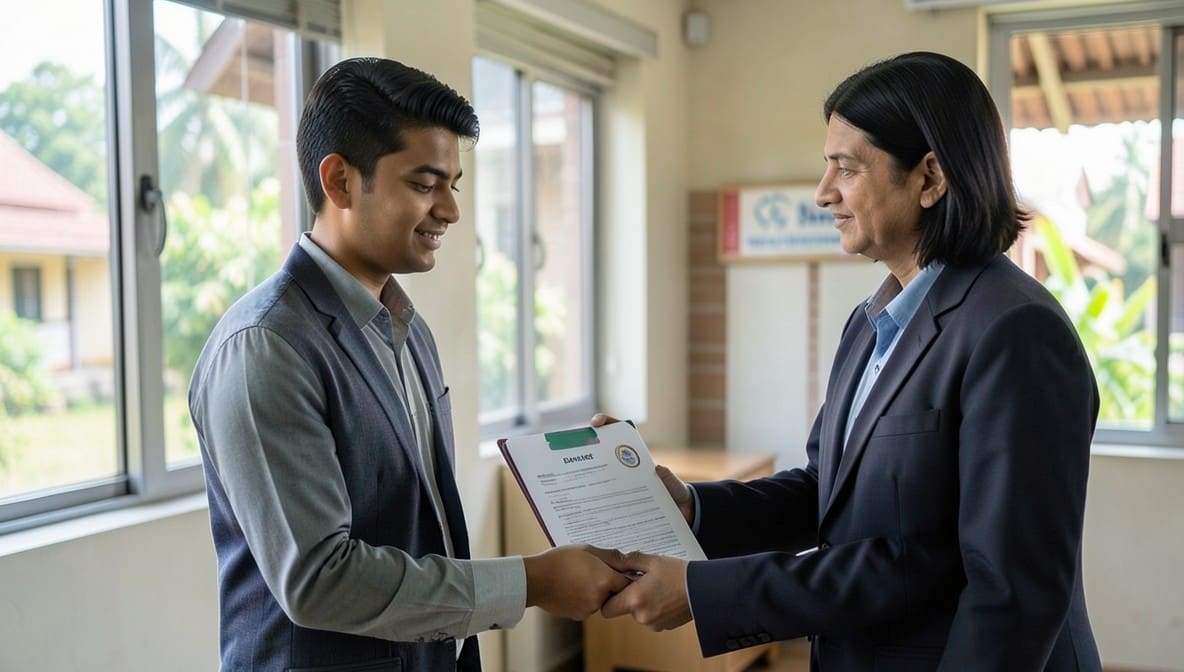
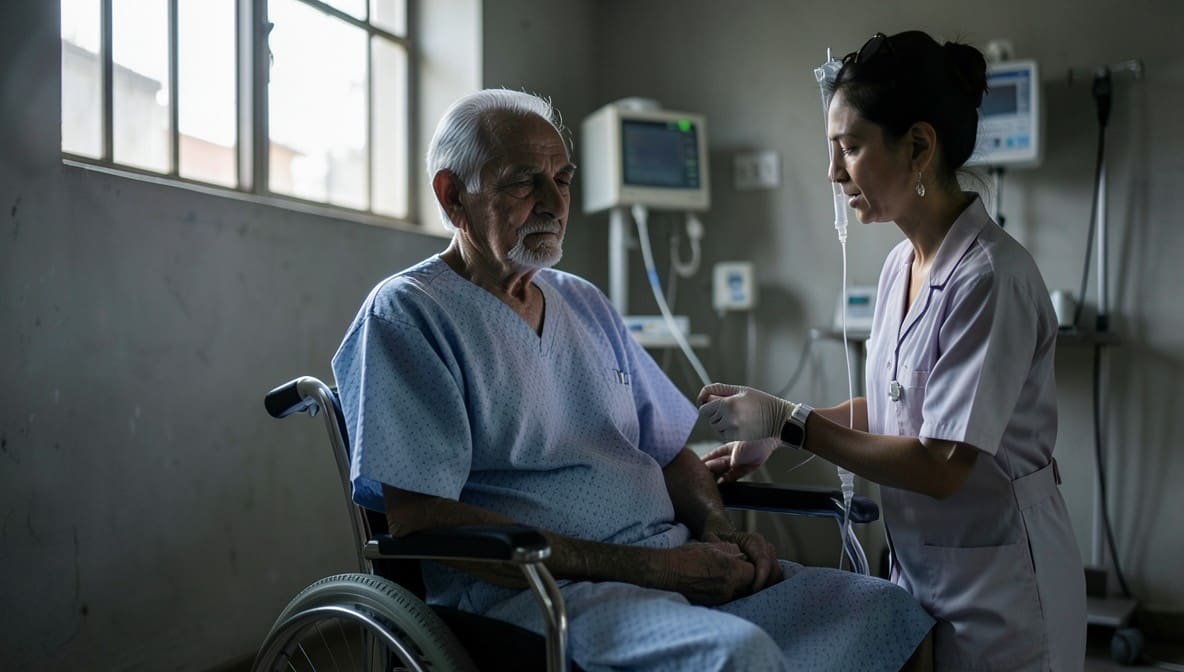
The petitioners, Mrs. Tahera and her son Yeslam, are Indian citizens residing in Saudi Arabia for over three decades. During a visit to India, Mrs. Tahera was diagnosed with decompensated cirrhosis of the liver, necessitating an urgent liver transplant. While her son Yeslam volunteered as the donor, the Directorate of Medical Education (Respondent No. 2) and the Authorisation Committee for Organ Transplant (Respondent No. 3) refused to process their application, insisting on production of Aadhar Card or a local residence certificate - documents the petitioners could not furnish due to their long-term foreign residency.
Key Facts
- The petitioners hold valid Indian passports and have resided in Saudi Arabia for over 30 years
- Mrs. Tahera was diagnosed with decompensated cirrhosis of the liver during her visit to India
- Yeslam, her son, is the proposed liver donor
- The Indian Consulate in Jeddah attested a Family Structure Declaration certifying their relationship
- Respondents 2 and 3 refused to process the transplant application citing lack of Aadhar Card or local residence certificate
- The petitioners approached Star Hospitals (Respondent No. 4) for the transplant procedure
Procedural History
- 13.03.2026: Writ Petition (WP No. 7974 of 2026) filed before the Telangana High Court under Article 226 of the Constitution of India
- IA No. 1 of 2025: Interim application filed seeking urgent directions for processing the transplant application without insisting on local documents
- 13.03.2026: The High Court heard arguments and passed an interim order directing respondents to consider the available documents
Relief Sought
The petitioners sought:
- A writ of mandamus declaring the respondents' insistence on local documents (Aadhar Card/residence certificate) as unlawful and arbitrary
- Directions to respondents 2 and 3 to immediately approve the liver transplant based on the Indian passport and attested family declaration from the Indian Consulate
- An order facilitating Star Hospitals to proceed with the transplant without further delay
The Legal Issue
The central question was whether Indian citizens residing abroad can be denied organ transplant approvals under the Transplantation of Human Organs and Tissues Act, 1994 and related rules solely for lack of local documents like Aadhar Card or residence certificates, when they possess valid Indian passports and consulate-attested relationship proofs.
Arguments Presented
For the Petitioners
- Argued that the respondents' insistence on Aadhar Card or local residence certificate was arbitrary and discriminatory, as the petitioners are Indian citizens holding valid passports
- Contended that the Family Structure Declaration attested by the Indian Consulate in Jeddah was sufficient proof of relationship for organ donation
- Emphasized that delay in approval would endanger the life of Mrs. Tahera, making the procedure time-sensitive
- Relied on the right to life under Article 21 of the Constitution to argue that medical emergencies cannot be denied on procedural grounds
For the Respondents
- The Government Pleader for Medical, Health and Family Welfare submitted that the authorities would consider the request if the petitioners produced available documents
- Did not contest the validity of the Indian passport or consulate-attested declaration but implied that local documents were mandatory under existing rules
The Court's Analysis
The Court observed that the petitioners, though residing abroad, are Indian citizens with valid Indian passports. It noted that while they do not possess Aadhar Card or local residence certificates, they have sufficient identification through their passports and an attested family declaration from the Indian Consulate in Jeddah. The Court emphasized that life-saving medical procedures cannot be denied or delayed on procedural grounds, especially when the donor-recipient relationship is duly certified by a competent authority.
"Having considered the respective submissions, considering that the petitioners are Indian nationals having Indian passport, and living in Saudi Arabia for over three decades and not in possession of Aadhar Card / local Residence certificate, however, they have an attested document from Indian Consulate in Jeddah certifying the relationship between petitioners No.1 and 2, and further considering that the petitioner No.1 requires liver transplantation, and petitioner No.2 (the son) is the donor, this Court is inclined to direct the respondents No.2 and 3 to forthwith consider the documents available with the petitioners for approval of the required medical procedure for liver transplantation."
The Court relied on the principle of proportionality and the right to life under Article 21, holding that administrative requirements must yield to urgent medical needs. It distinguished between substantive proof (relationship, citizenship) and procedural formalities (local documents), ruling that the former cannot be overridden by the latter in life-threatening situations.
The Verdict
The Telangana High Court allowed the writ petition and issued the following directions:
- Respondents 2 and 3 shall forthwith consider the Indian passport and Indian Consulate-attested family declaration for approving the liver transplant
- The respondents shall not insist on production of Aadhar Card, local residence certificate, or any other local approvals/clearances
- The approval shall be processed immediately to facilitate Star Hospitals (Respondent No. 4) in performing the transplant without delay
- The matter is listed for compliance on 30.03.2026
What This Means For Similar Cases
Medical Emergencies Trump Procedural Formalities
- Practitioners must argue that life-saving procedures cannot be denied or delayed on administrative grounds when substantive proof (e.g., passport, consulate-attested documents) is available
- Hospitals and authorization committees must prioritize urgent medical needs over local documentation requirements, especially for foreign-resident Indian citizens
Foreign-Resident Indians Entitled to Organ Transplants
- Indian citizens residing abroad cannot be denied organ transplant approvals merely for lack of local documents like Aadhar Card or residence certificates
- Consulate-attested relationship proofs are sufficient for establishing donor-recipient eligibility under the Transplantation of Human Organs and Tissues Act, 1994
- Government authorities must interpret transplant rules liberally to avoid arbitrariness and uphold the right to life
Right to Life Under Article 21 Prevails
- Courts are likely to intervene when administrative hurdles threaten life-saving treatments
- Judicial review will be favorable where procedural requirements are disproportionate to the urgency of medical care
- Legal practitioners should invoke Article 21 in cases where bureaucratic delays endanger patients' lives