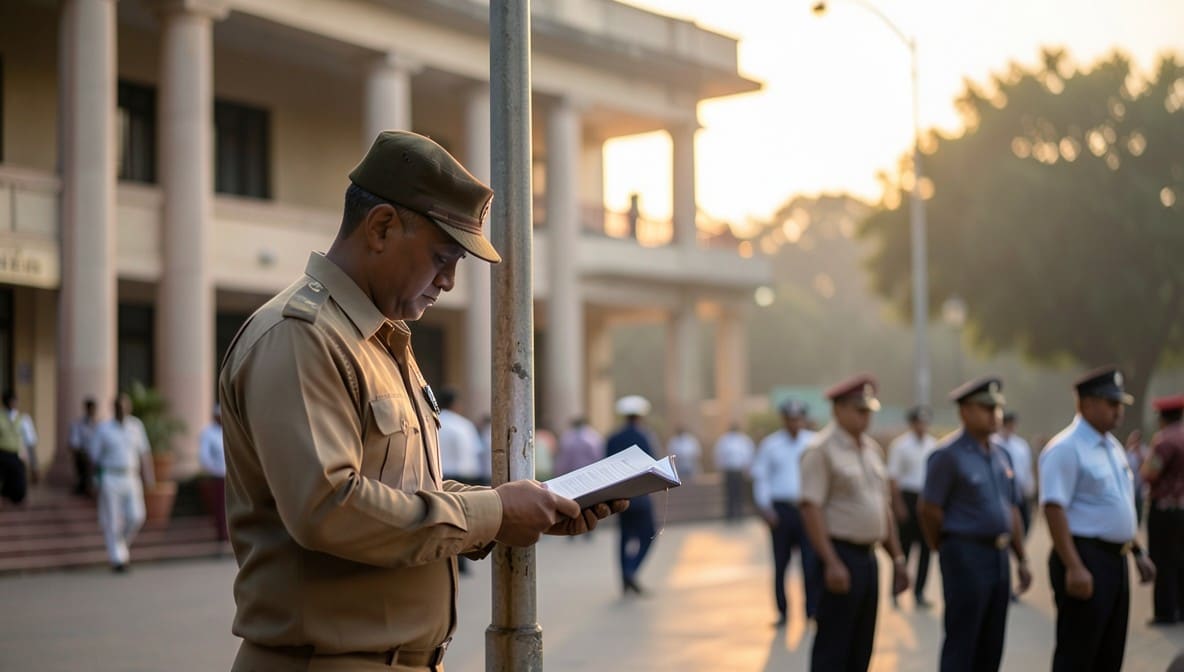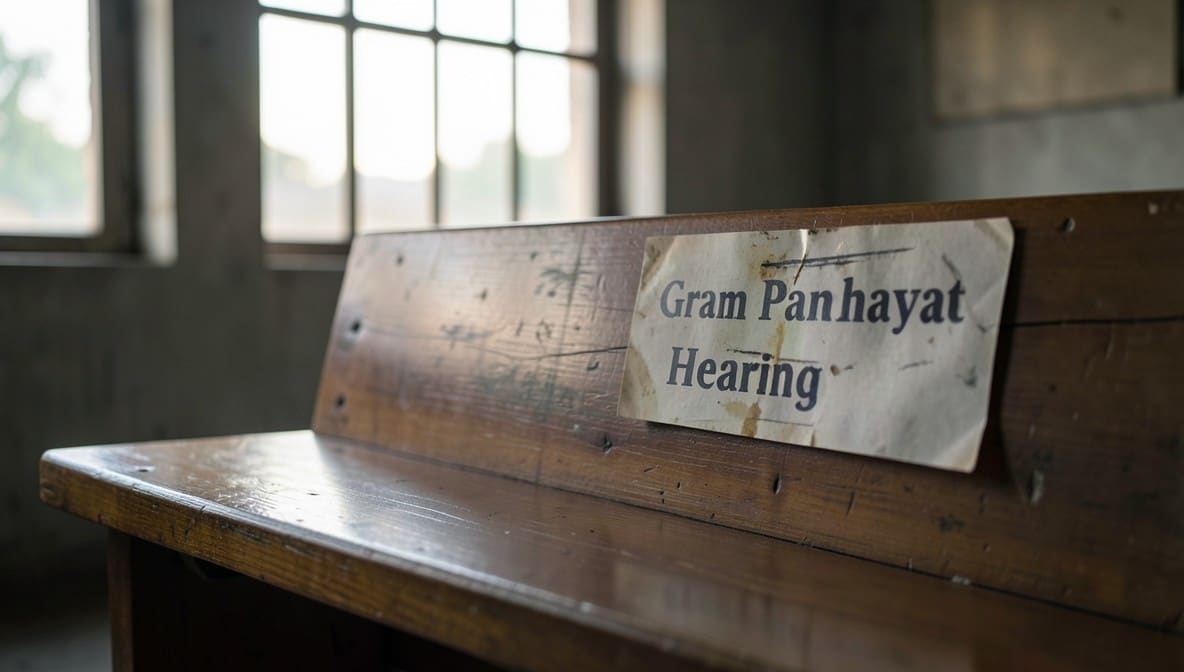
The High Court of Himachal Pradesh has reaffirmed that excessive delay in prosecuting petty offences constitutes an abuse of process, violating the accused’s fundamental right to a speedy trial under Article 21. In a decisive ruling, a 14-year-old FIR for minor offences was quashed due to inaction by the Gram Panchayat, setting a clear precedent against indefinite procedural stagnation.
Background & Facts
The Dispute
The petitioner, Ved Prakash, applied for a licence as a PWD Contractor and discovered that FIR No. 26 of 2012, registered at Police Station Chopal, District Shimla, remained pending against him. The FIR alleged offences under Sections 341 (wrongful restraint) and 323 (voluntarily causing hurt), read with Section 34 (common intention) of the Indian Penal Code. The petitioner claimed he had never received any notice from the Gram Panchayat or any court regarding the proceedings.
Key Facts
- FIR No. 26 of 2012 was registered on 18.07.2012 at Police Station Chopal, District Shimla
- A challan was filed before the Secretary, Gram Panchayat, Lingzar, on 12.09.2012 via Road Certificate No. 34/12
- The Gram Panchayat took no action whatsoever from 2012 until July 2025
- The petitioner was unaware of the proceedings until 2023, when he sought a contractor’s licence
- The maximum penalty under Section 33 of the Himachal Pradesh Panchayati Raj Act is ₹100
- The offences under Sections 341 and 323 read with Section 34 IPC are compoundable
Procedural History
- 18.07.2012: FIR registered at Police Station Chopal
- 12.09.2012: Charge sheet submitted to Gram Panchayat Lingzar
- 2012 - 2025: No notice issued to petitioner; no hearing conducted; no order passed
- 2023: Petitioner discovered pending FIR while applying for PWD Contractor licence
- 2023: Writ petition filed before the High Court of Himachal Pradesh (Cr. MMO No. 1233 of 2023)
- 05.03.2026: Case reserved for judgment
- 23.03.2026: Judgment delivered
The Parties' Positions
Petitioner: Argued that 14 years of inaction by the Gram Panchayat rendered the proceedings oppressive, arbitrary, and violative of Article 21. No notice was ever served, and the delay was inexcusable.
Respondent State: Contended that the complainant should not suffer due to administrative lapse by the Gram Panchayat. The FIR disclosed a cognizable offence and should not be quashed.
Respondent Informant (Gram Panchayat): Did not contest the quashing and expressed no objection to the petition being allowed.
Relief Sought
The petitioner sought quashing of FIR No. 26 of 2012 and all consequential proceedings, arguing that continuation of the case after 14 years without any notice or hearing amounted to an abuse of the judicial process.
The Legal Issue
Can a criminal proceeding for a minor, compoundable offence be quashed on grounds of excessive delay and inaction by the adjudicating authority, even in the absence of a formal notice to the accused, when the maximum penalty is ₹100 and no action has been taken for over 14 years?
Arguments Presented
For the Petitioner
Counsel for the petitioner relied on Ranjan Dwivedi v. CBI to argue that the right to a speedy trial is a fundamental right under Article 21, designed to prevent oppression, anxiety, and prejudice to defence. He emphasized that the Gram Panchayat’s 14-year inaction - despite the challan being filed in 2012 - rendered the proceedings meaningless. The petitioner had no knowledge of the case, and the trivial nature of the alleged offences (maximum fine ₹100) made the delay grossly disproportionate.
For the Respondent
The State contended that the complainant’s rights should not be forfeited due to the Gram Panchayat’s negligence. It argued that the FIR disclosed a cognizable offence and that quashing would set a dangerous precedent. However, the State did not dispute the factual timeline of inaction.
The Court's Analysis
The Court examined the nature of the offences, the statutory limit on penalties under the Himachal Pradesh Panchayati Raj Act, and the unbroken 14-year period of inaction. It held that the delay was not merely procedural but systemic and unjustifiable.
"The guarantee of a speedy trial is intended to avoid oppression and prevent delay by imposing on the court and the prosecution an obligation to proceed with the trial with a reasonable dispatch. The guarantee serves a threefold purpose. Firstly, it protects the accused against oppressive pre-trial imprisonment; secondly, it relieves the accused of the anxiety and public suspicion due to unresolved criminal charges, and lastly, it protects against the risk that evidence will be lost or memories dimmed by the passage of time, thus impairing the ability of the accused to defend himself or herself."
The Court noted that the maximum penalty under Section 33 of the Panchayati Raj Act is ₹100, making the proceedings inherently minor. The failure to serve notice, conduct a hearing, or issue any order for over a decade rendered the case a legal nullity. The Court further observed that the complainant herself had no objection to quashing the FIR, and the offences were compoundable, rendering further proceedings futile.
The Court rejected the State’s argument that the complainant should bear the consequences of administrative failure. It held that the State’s duty to ensure timely justice cannot be outsourced to negligent local bodies. The delay, in this context, was not merely procedural - it was a violation of constitutional rights.
The Verdict
The petition was allowed. The FIR No. 26 of 2012, registered at Police Station Chopal, District Shimla, for offences under Sections 341 and 323 read with Section 34 IPC, and all proceedings initiated pursuant thereto, are quashed. All pending miscellaneous applications are dismissed. The petitioner is permitted to use a downloaded copy of this judgment from the High Court’s website as sufficient proof before any authority, without requiring a certified copy.
What This Means For Similar Cases
Delay in Petty Cases Is Not Tolerated
- Practitioners may now invoke Ranjan Dwivedi to seek quashing of any FIR pending over 10 years without notice or hearing, especially where penalties are minimal (e.g., fines under ₹500)
- Gram Panchayat proceedings for minor offences must be concluded within a reasonable time; indefinite pendency is unconstitutional
Notice Is Not Optional, Even in Local Forums
- Absence of notice to the accused, regardless of forum (even Gram Panchayat), renders proceedings voidable under Article 21
- Courts will not permit the State to benefit from its own inaction
Compoundable Offences Demand Pragmatism
- Where offences are compoundable and the complainant consents to closure, courts will not permit mechanical continuation of stale proceedings
- Prosecution must demonstrate active pursuit of justice - not passive neglect