The Bombay High Court has clarified that an unconditional withdrawal of a civil suit, without reservation of rights, operates as a complete bar to re-filing a substantially identical claim. This judgment reinforces the principle that litigants cannot circumvent procedural finality through strategic re-drafting of pleadings.
Background & Facts
The Dispute
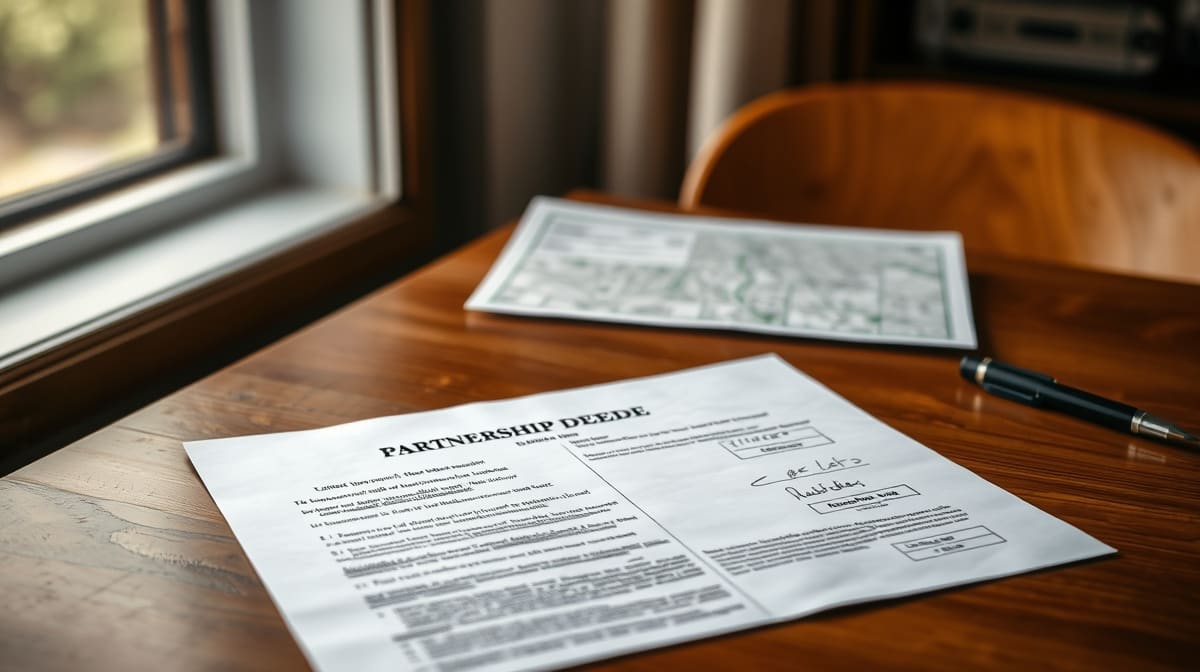
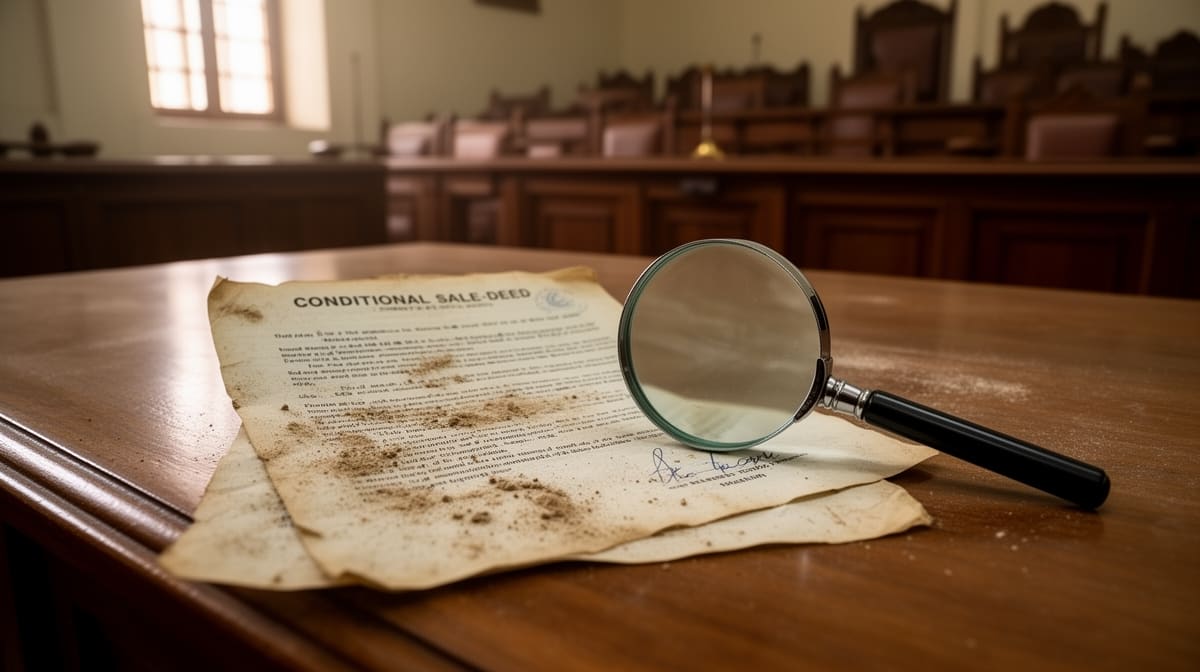
The dispute centers on a registered conditional sale-deed dated 05.07.2005, wherein the respondent sold land to the applicants for Rs. 2,00,000 with a covenant allowing repurchase within one year. The respondent later treated the transaction as a mortgage and sought reconveyance. In 2009, he filed a suit for specific performance of reconveyance, which was withdrawn unconditionally on 12.02.2010 without any liberty to file afresh.
Procedural History
- 2009: Respondent filed Regular Civil Suit No. 45/2009 for reconveyance of land
- 12.02.2010: Suit withdrawn unconditionally via pursis (Exh. 34); no reasons recorded, no liberty granted
- 2015: Respondent filed Regular Civil Suit No. 1079/2015 seeking declaration that the sale-deed is void, possession, and mesne profits
- 2018: Applicants filed application under Order VII Rule 11 CPC seeking rejection of plaint on grounds of Order XXIII Rule 1(4) CPC
- 03.01.2018: Trial Court rejected the application, erroneously relying on Section 11 CPC (res judicata)
Relief Sought
The applicants sought rejection of the plaint under Order VII Rule 11 CPC on the ground that the present suit was barred by Order XXIII Rule 1(4) CPC, which prohibits re-filing a suit after unconditional withdrawal. The respondent sought to proceed with the suit, arguing that the right to redeem a mortgage is perpetual and not subject to res judicata.
The Legal Issue
The central question was whether Order XXIII Rule 1(4) of the Code of Civil Procedure bars the filing of a subsequent suit when the prior suit on the same cause of action was withdrawn unconditionally, even if the earlier suit was not decided on merits.
Arguments Presented
For the Appellant
Counsel for the applicants argued that the present suit is a rehash of the 2009 suit, with only marginal changes in pleading to evade the bar under Order XXIII Rule 1(4) CPC. They cited Sardar Amarjit Singh Kalra v. Pramod Gupta to emphasize that unconditional withdrawal extinguishes the cause of action for re-filing. The Trial Court’s reliance on Section 11 CPC was misplaced since res judicata applies only to decreed matters, not withdrawn suits.
For the Respondent
The respondent’s counsel contended that the right to redeem a mortgage under Section 60 of the Transfer of Property Act is perpetual and cannot be extinguished by withdrawal of a prior suit. He argued that each attempt to redeem constitutes a fresh cause of action, and therefore, the suit was not barred. He further claimed that the Trial Court correctly allowed the suit to proceed since limitation had not expired.
The Court's Analysis
The Court rejected the respondent’s argument that redemption rights create a recurring cause of action. It held that while Section 60 of the Transfer of Property Act preserves the right to redeem, it does not permit repeated litigation on the same transaction under different labels. The Court emphasized that Order XXIII Rule 1(4) CPC is a procedural safeguard against abuse of process, and its application does not depend on whether the prior suit was decided on merits.
"The withdrawal of the earlier suit was unconditional, without any reservation of rights or liberty to file afresh. The present suit, with identical parties, subject matter, and substantially identical reliefs, is clearly an attempt to circumvent the bar under Order XXIII Rule 1(4) CPC."
The Court found the Trial Court’s reasoning flawed for two reasons: first, it applied Section 11 CPC - which requires a prior decision on merits - to a withdrawn suit; second, it failed to consider the specific ground raised under Order XXIII Rule 1(4) CPC. The Court held that non-application of mind to a statutory bar constitutes a manifest illegality warranting interference.
The Verdict
The applicants succeeded. The Court quashed the impugned order and held that Order XXIII Rule 1(4) CPC bars the re-filing of a substantially identical suit after unconditional withdrawal. The matter was remanded to the Trial Court to decide the application under Order VII Rule 11 CPC afresh, with due opportunity to both parties.
What This Means For Similar Cases
Unconditional Withdrawal Creates Absolute Bar
- Practitioners must treat any unconditional withdrawal as a final termination of the cause of action for that specific claim
- Subsequent suits with identical reliefs, even if rephrased, will be rejected at the threshold under Order VII Rule 11 CPC
- No need to prove res judicata - Order XXIII Rule 1(4) operates independently as a procedural bar
Trial Courts Must Address Specific Grounds Raised
- Courts cannot ignore objections under Order VII Rule 11 CPC by misapplying other provisions like Section 11 CPC
- Failure to examine the precise statutory ground raised constitutes a jurisdictional error
- Appellate courts will intervene where there is total non-application of mind to a clear procedural bar
Strategic Drafting Will Not Evade Procedural Bars
- Minor alterations in pleadings - such as changing "specific performance" to "declaration of voidness" - will not circumvent Order XXIII Rule 1(4)
- Courts will look at the substance of the claim, not the form of the prayer
- Litigants must choose their remedy wisely; repeated litigation on the same transaction invites dismissal