The Kerala High Court has clarified that service of a statutory notice under Section 138 of the Negotiable Instruments Act to an authorized person at the accused’s residence, without direct proof of the accused’s knowledge, is legally sufficient to trigger criminal liability - provided the accused fails to respond to summons or make payment within the statutory window.
Background & Facts
The Dispute
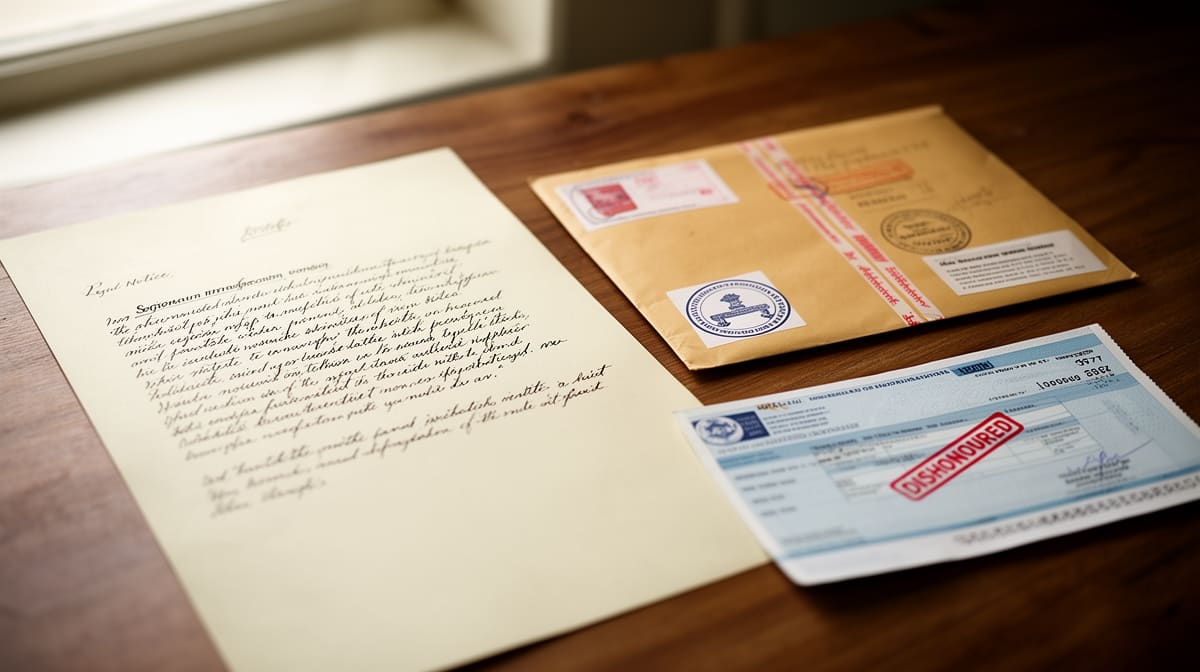
The revision petitioner, Janardhanan V., was prosecuted under Section 138 of the Negotiable Instruments Act for issuing two cheques that were dishonoured by the bank. The cheques were issued in discharge of a debt arising from a chitty transaction with the complainant, a former colleague. The complainant alleged that after the cheques were returned unpaid, statutory notices were issued to both the petitioner’s residential and official addresses.
Procedural History
- 2017: Criminal Complaint (CC No. 136 of 2017) filed before Judicial Magistrate First Class, Thamarassery
- 2019: Trial Court convicted the accused and sentenced him to two months’ imprisonment and a fine of Rs. 5,00,000
- 2021: Appellate Court modified the sentence, retaining the fine but eliminating the term of imprisonment
- 2021: Revision petition filed before the Kerala High Court challenging the sufficiency of notice service
Relief Sought
The revision petitioner sought quashing of the conviction on the ground that the statutory notice under Section 138(b) was not properly served, as it was delivered to Sheeba K.K., alleged to be his wife, without evidence that he was aware of such service.
The Legal Issue
The central question was whether service of a statutory notice under Section 138(b) to an authorized person at the accused’s residence - without proof that the accused had actual knowledge of such service - satisfies the statutory requirement, or whether the complainant must additionally prove the accused’s awareness of the notice.
Arguments Presented
For the Appellant/Petitioner
The petitioner’s counsel relied on Noorudheen v. State of Kerala to argue that service to a third party, even if a family member, cannot be presumed to constitute valid service unless the complainant proves the accused was aware of it. He contended that the absence of any testimony or document establishing the accused’s knowledge of Sheeba K.K.’s receipt of the notice rendered the notice invalid, thereby vitiating the entire prosecution.
For the Respondent/State
The respondent countered that the postal receipts (Exhibits P6, P13), acknowledgment cards (Exhibit P7), and track records (Exhibits P8, P15) established prima facie delivery to the accused’s residential and official addresses. The counsel emphasized that the accused appeared before the court on summons and did not make payment within 15 days of receiving the summons, thereby invoking the statutory presumptions under Section 27 of the General Clauses Act and Section 114 of the Evidence Act. They cited C.C. Alavi Haji v. Palapetty Muhammed to argue that the law does not require actual receipt - only that notice was dispatched to the correct address.
The Court's Analysis
The Court examined the legislative intent behind Section 138 and the procedural safeguards embedded in the Negotiable Instruments Act. It noted that the requirement of notice is a statutory exception to the general rule of criminal prosecution, designed to provide a final opportunity for settlement before criminal liability attaches.
"If in each such case, the law is understood to mean that there has been no service of notice, it would completely defeat the very purpose of the Act. It would then be very easy for an unscrupulous and dishonest drawer of a cheque to make himself scarce for sometime after issuing the cheque so that the requisite statutory notice can never be served upon him and consequently he can never be prosecuted."
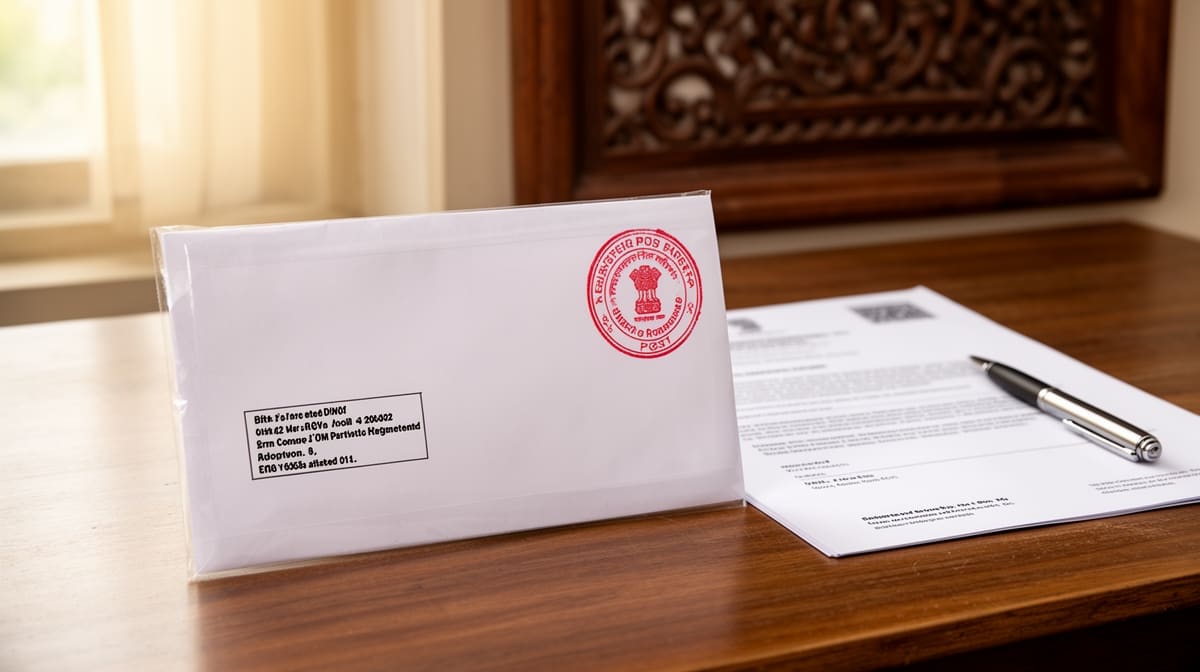
The Court reaffirmed the holding in C.C. Alavi Haji, emphasizing that the presumption of service under Section 27 of the General Clauses Act and Section 114 of the Evidence Act applies when notice is dispatched to the correct address and postal records confirm delivery to the premises. The Court held that the complainant discharged the burden by producing postal receipts, acknowledgment cards signed by Sheeba K.K., and delivery track records.
The Court further observed that the accused had appeared before the court on summons and had not made payment within the 15-day window provided under the proviso to Section 138. This inaction, the Court held, precluded him from later challenging the validity of notice on grounds of non-receipt, especially where statutory presumptions were triggered.
The revisional court’s role, the Court reiterated, is not to re-appreciate evidence but to correct patent illegality or perversity. No such infirmity was found in the trial or appellate courts’ findings.
The Verdict
The revision petition was dismissed. The Court held that service of statutory notice under Section 138 to an authorized person at the accused’s residence, supported by postal records, is sufficient to satisfy the statutory requirement, and the complainant need not prove the accused’s actual knowledge of such service - particularly when the accused fails to respond to summons or make payment within the statutory period.
What This Means For Similar Cases
Service to Authorized Person Is Valid
- Practitioners must now treat delivery to a spouse, family member, or authorized agent at the accused’s registered address as prima facie valid service under Section 138
- Postal receipts and acknowledgment cards signed by such persons are admissible and sufficient evidence of service
- No additional proof of the accused’s awareness is required unless the accused raises a credible dispute about the identity or authority of the recipient
Failure to Pay After Summons Waives Notice Objections
- If the accused appears on summons and does not pay the cheque amount within 15 days, any challenge to notice service is barred by the statutory presumption under Section 27 of the General Clauses Act and Section 114 of the Evidence Act
- This creates a clear procedural threshold: service + summons + non-payment = conclusive presumption of valid notice
- Defence counsel should focus on challenging the authenticity of postal records, not the accused’s knowledge
Revision Courts Cannot Re-Appreciate Evidence
- Revision petitions under Section 401 CrPC cannot be used as a second appeal
- Courts must limit review to illegality, perversity, or jurisdictional error
- Practitioners should avoid filing revision petitions on factual disputes unless glaring evidence of miscarriage of justice is present