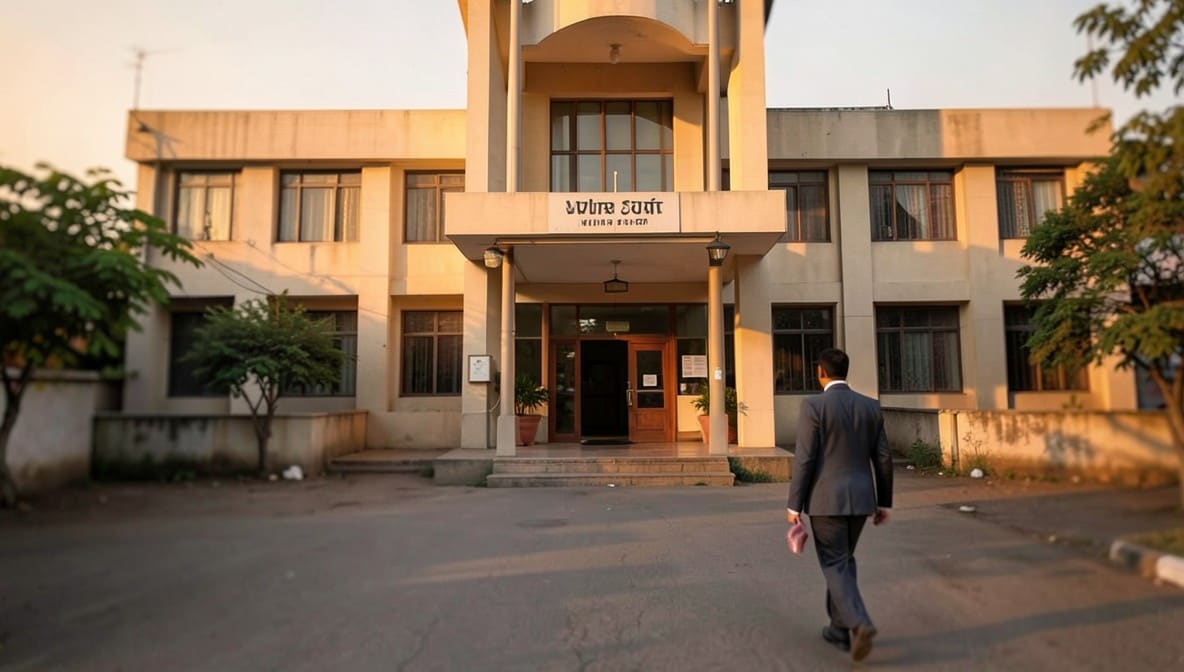
The Allahabad High Court has reaffirmed that bail cannot be denied in corruption cases solely on the basis of vague, unsubstantiated allegations. In a significant ruling, the Court emphasized that the absence of concrete evidence linking the accused to the alleged offence, coupled with prolonged judicial custody and no credible risk of evidence tampering, warrants release on bail - even at the pre-trial stage.
Background & Facts
The Dispute
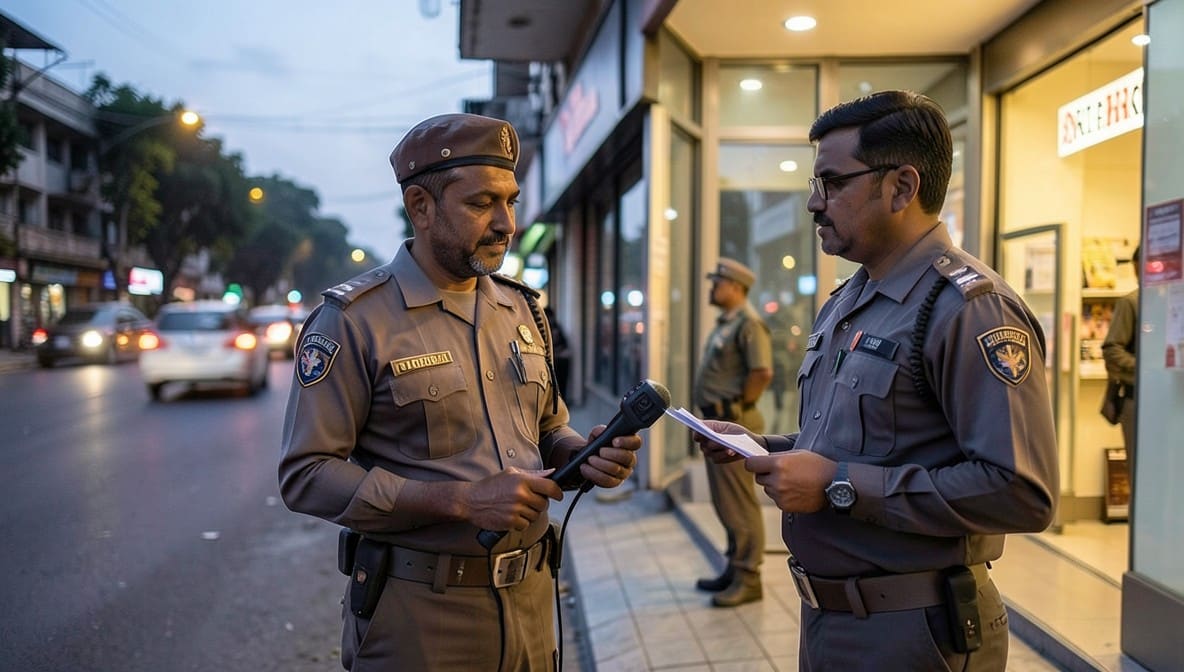
The applicant, Shambhu Kumar, a government servant, was arrested in connection with Case Crime No. 06 of 2026 under Section 7 of the Prevention of Corruption Act, 1988, registered at Police Station Anti-Corruption, District Moradabad. The prosecution alleges that the applicant demanded and accepted illegal gratification in connection with the processing of a mutation application. The case arose following a sting operation conducted by the Anti-Corruption Bureau.
Key Facts
- The applicant was arrested on 06.04.2026 and has remained in judicial custody since then
- The First Information Report (FIR) does not contain specific averments that the applicant physically received or handled any currency notes
- Currency notes, allegedly constituting the bribe, were recovered from the dashboard of a vehicle, not from the applicant’s person or possession
- The prosecution claims two independent witnesses were present during the recovery
- A video recording was made of the recovery from the vehicle dashboard and the hand-wash procedure using carbonate solution
- No video recording exists of any alleged demand or acceptance of the bribe by the applicant
- The applicant is alleged to have submitted a report related to the mutation application, which, according to his defense, could not be altered after submission
- The complainant allegedly approached the applicant after his mutation application was rejected, seeking a favorable outcome
- The applicant has no prior criminal antecedents
- All material witnesses are government officials
Procedural History
- 06.04.2026: Arrest of applicant in connection with Crime No. 06 of 2026
- Before High Court: Bail application filed under Criminal Misc. Bail Application No. 19116 of 2026
- 02.06.2026: Hearing before the High Court of Judicature at Allahabad
Relief Sought
The applicant sought bail pending trial, arguing that:
- There is no substantive evidence connecting him to the offence
- The recovery was from a vehicle, not his person
- No video evidence supports the core allegation of demand or acceptance
- He is a government servant with no motive to abscond or tamper with evidence
- He has been in custody for approximately two months with no prospect of early trial
The Parties' Positions
For the Applicant
- The FIR lacks specificity regarding actual receipt or handling of money
- Recovery from a vehicle dashboard does not establish personal possession or intent
- Absence of video evidence of the alleged bribe transaction undermines the prosecution’s case
- The complainant’s motive to fabricate arises from his own failed mutation application
- No reasonable apprehension of evidence tampering or witness intimidation exists
- Applicant is a public servant with no criminal history and no incentive to flee
For the Respondent (State)
- The bail rejection order was lawful and based on the seriousness of the offence under the Prevention of Corruption Act
- No illegality was committed in denying bail at this stage
- The nature of the offence justifies continued custody
Relief Sought
The applicant sought immediate release on bail with conditions, including personal bond and sureties, and compliance with standard bail conditions.
The Legal Issue
Can bail be denied in a corruption case under Section 7 of the Prevention of Corruption Act, 1988 when the prosecution’s case rests on vague allegations, lacks substantive evidence linking the accused to the offence, and presents no credible risk of evidence tampering or witness intimidation?
Arguments Presented
For the Appellant/Petitioner
The applicant’s counsel relied on the principle that bail is the rule and jail is the exception. He argued that the FIR does not establish that the applicant received or handled the currency notes, only that they were found in a vehicle. The absence of video evidence of the alleged demand or acceptance fatally weakens the prosecution’s case. The applicant’s position as a government servant with no criminal record, coupled with the fact that all witnesses are state officials, negates any risk of absconding or tampering. The prolonged custody of two months without a trial date further supports the grant of bail.
For the Respondent/State
The State opposed bail on the grounds that the offence under the Prevention of Corruption Act is serious and attracts stringent bail conditions. The A.G.A. contended that the mere recovery of currency in a sting operation, even if not from the accused’s person, is sufficient to justify denial of bail at the pre-trial stage. No specific counter-arguments were advanced regarding risk of tampering or flight.
The Court's Analysis
The Court conducted a careful review of the FIR and the prosecution’s evidentiary position. It noted that the allegations against the applicant are vague and general, with no specific averment that he received, handled, or even touched the currency notes. The recovery from the dashboard of a vehicle, rather than from his person, raises serious doubt about the direct link between the applicant and the alleged offence.
"At this stage there is no substantive evidence to link the applicant with the offence."
The Court further observed that while the prosecution claims two independent witnesses were present, the absence of any video recording of the alleged demand or acceptance of the bribe - despite the availability of recording equipment - casts significant doubt on the veracity of the core allegation. The Court emphasized that the burden at the bail stage is not to prove guilt, but to assess whether the accused poses a risk to the investigation or trial.
"There is no reasonable apprehension has been brought to the fore by the State that the applicant, if enlarged on bail, would either tamper with the evidence or delay the trial or intimidate the witness."
The Court rejected the notion that the gravity of the offence alone justifies continued custody, particularly when no concrete risk is demonstrated. The applicant’s status as a government servant with no prior record, and the fact that all witnesses are state employees, further diminished any apprehension of flight or interference.
The Court also noted the applicant’s prolonged detention of approximately two months without any indication of an imminent trial, reinforcing the need to balance the right to liberty with the demands of justice.
The Verdict
The bail application was allowed. The applicant, Shambhu Kumar, is directed to be released on bail upon furnishing a personal bond of Rs. 50,000 and two sureties each in the like amount to the satisfaction of the trial court. He must: (i) appear before the trial court on all dates; (ii) not tamper with prosecution evidence; and (iii) not pressurize prosecution witnesses. In case of breach, the prosecution may file a bail cancellation application before this Court. The applicant has been in custody since 06.04.2026.
What This Means For Similar Cases
Vague Allegations Are Insufficient to Deny Bail
- Practitioners must challenge bail denials in corruption cases where the FIR lacks specific allegations of receipt, handling, or demand of gratification
- Recovery of currency from a vehicle or shared space, without direct link to the accused, cannot alone justify denial of bail
- Courts must distinguish between suspicion and substantive evidence at the bail stage
Absence of Video Evidence Weakens Prosecution’s Case
- In sting-based corruption cases, the failure to record the alleged bribe transaction - when recording equipment is available - must be raised as a material defect
- Courts should treat the absence of such evidence as a factor favoring bail, not as a reason to deny it
- Prosecution must explain why critical moments were not recorded
Prolonged Custody Without Trial Supports Bail
-
Detention exceeding six to eight weeks without a trial date should trigger heightened scrutiny of bail denial
-
Courts must consider the duration of custody as a standalone factor, especially in non-violent, white-collar offences
-
The right to speedy trial under Article 21 reinforces the need to avoid unnecessary pre-trial incarceration
-
Practitioners should routinely file bail applications in corruption cases where the prosecution’s case is circumstantial and lacks direct evidence
-
Always highlight the absence of video/audio evidence, recovery location, and the accused’s employment status as mitigating factors
-
Argue that the burden to demonstrate risk of tampering lies with the State, not the accused