The Punjab & Haryana High Court has clarified that the legal obligation of a surety in a criminal bail proceeding does not vanish merely because the surety is abroad. In a significant ruling under the Bharatiya Nagarik Suraksha Sanhita, 2023, the Court permitted a father to deposit the forfeited surety amount on behalf of his son, provided the surety consents and appears through video conferencing. This decision reinforces the principle that procedural compliance must adapt to modern realities without compromising the integrity of judicial processes.
Background & Facts
The Dispute
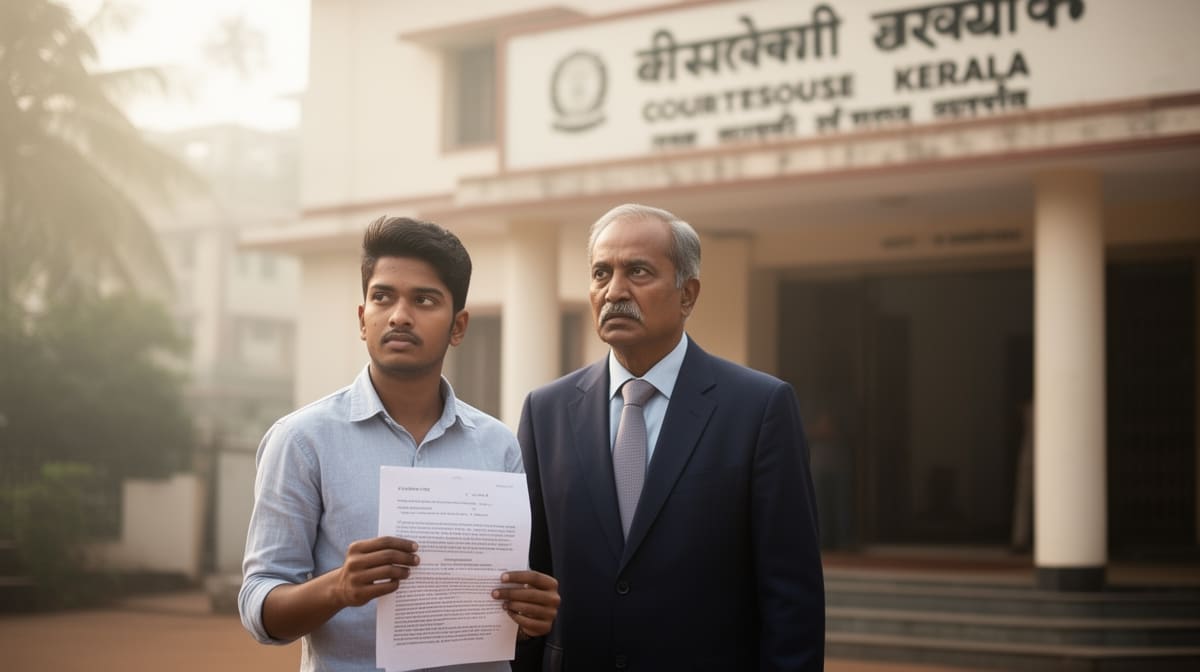
The petitioner, Sumer Chand, filed a petition under Section 528 of the Bharatiya Nagarik Suraksha Sanhita, 2023 seeking permission to deposit the surety amount forfeited in connection with FIR No. 516 of 2020, registered at Police Station Model Town, Panipat, under Sections 323, 324, 34, 341 and 506 of the IPC. The surety in the original bail order was his son, Surjeet Kumar, who had stood as surety for the accused Pardeep @ Sintu.
Key Facts
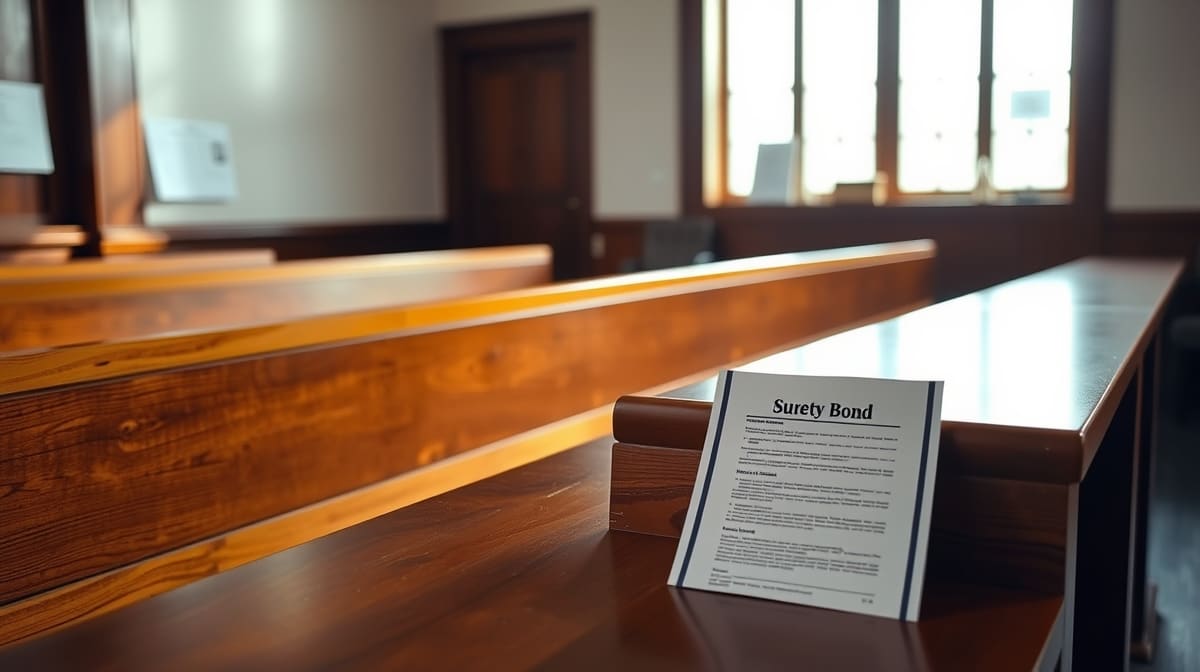
- The accused Pardeep @ Sintu was granted bail on the surety bond executed by Surjeet Kumar
- The accused failed to appear before the trial court on multiple occasions
- On 25.04.2022, the trial court cancelled the bail and ordered forfeiture of the surety bond
- Non-bailable warrants were issued against the accused
- Notice was issued to Surjeet Kumar as surety on 25.04.2022
- Surjeet Kumar left India for personal reasons and is currently residing abroad
- Surjeet Kumar has not appeared before the trial court despite notice
- The petitioner, Sumer Chand, filed an application on 05.03.2026 seeking permission to deposit the forfeited surety amount on behalf of his son
- The trial court rejected the application and returned it to counsel on 10.03.2026
- The petitioner filed the present petition before the High Court on 15.03.2026
Procedural History
- 26.06.2020: FIR No. 516 registered at PS Model Town, Panipat
- Date unknown (prior to 25.04.2022): Accused Pardeep @ Sintu granted bail on surety bond executed by Surjeet Kumar
- 25.04.2022: Trial Court cancelled bail, ordered forfeiture of surety bond, issued non-bailable warrants, and served notice on surety
- 05.03.2026: Petitioner’s application to deposit surety amount rejected by trial court
- 15.03.2026: Writ petition filed under Section 528 of BNS, 2023 before the High Court
- 08.04.2026: Hearing before Justice Manisha Batra; judgment delivered orally
The Parties' Positions
For the Petitioner: The petitioner argued that he is not seeking waiver or reduction of the surety amount, but only permission to deposit it on behalf of his son, who is abroad and unable to appear. He emphasized that the deposit would fulfill the court’s order and prevent loss to the state. He submitted that video conferencing is available and that Surjeet Kumar, if summoned, can appear virtually.
For the Respondent (State): The State did not oppose the petition in substance but maintained that the surety’s liability is personal and cannot be transferred. However, no formal objection was raised against the proposed mechanism of deposit through the father with the surety’s consent.
Relief Sought
The petitioner sought a direction to the trial court to permit him to deposit the forfeited surety amount on behalf of his son, Surjeet Kumar, provided the son consents and appears before the court via video conferencing.
The Legal Issue
Can a father, as a third party, deposit the forfeited surety amount on behalf of his son, who is the legally liable surety but currently residing abroad, without violating the principles of suretyship under Section 528 of the Bharatiya Nagarik Suraksha Sanhita, 2023?
Arguments Presented
For the Petitioner
The petitioner relied on the principle that the purpose of surety forfeiture is to ensure compliance with court orders, not to punish the surety. He argued that allowing a close relative to deposit the amount, with the surety’s consent and under the court’s supervision, serves the ends of justice. He cited the availability of video conferencing under Section 30 of the BNS, 2023 as a viable mechanism for the surety to participate in proceedings despite being abroad. He emphasized that the deposit would not prejudice the prosecution or the court’s authority.
For the Respondent
The State did not advance substantive counter-arguments. It acknowledged the surety’s liability but did not oppose the proposed solution, indicating no public interest or procedural harm would arise from permitting the deposit.
The Court's Analysis
The Court examined the nature of suretyship under Section 528 of the Bharatiya Nagarik Suraksha Sanhita, 2023, which governs the forfeiture of bonds in criminal proceedings. It noted that the liability of the surety is personal and arises from the undertaking given to the court. However, the Court observed that the object of forfeiture is not punitive but coercive - to ensure the accused’s appearance and the surety’s accountability.
"The liability to satisfy the forfeited surety bond primarily rests upon the surety himself. Merely because he is residing abroad does not absolve him of his legal obligation to respond to the notice and participate in the proceedings."
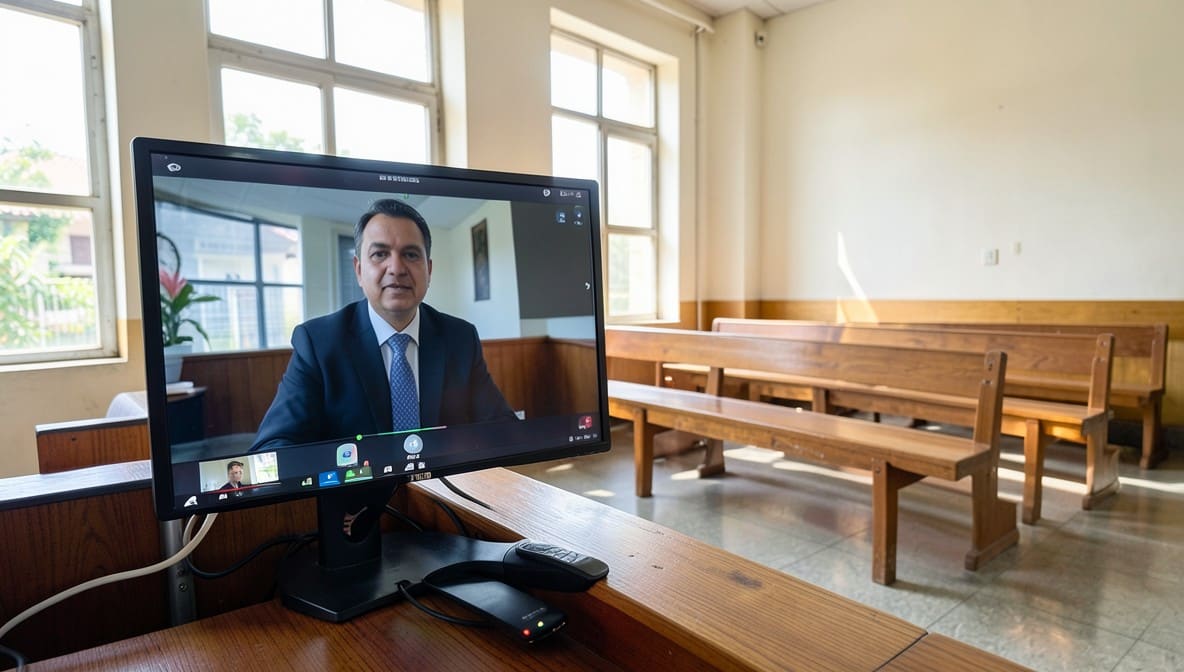
The Court further held that the surety’s physical presence is not indispensable where technology enables virtual appearance. It emphasized that the trial court’s authority to conduct proceedings via video conferencing under Section 30 of the BNS, 2023 provides a lawful and practical alternative.
"The request made by the petitioner, being father of the surety, to deposit the surety amount on his behalf does not cause any prejudice to the proceedings, provided the same is done with the consent and under the authority of the surety."
The Court concluded that permitting the deposit by the father, subject to the surety’s consent and virtual appearance, would not undermine the judicial process. Rather, it would facilitate compliance with the forfeiture order and prevent the state from suffering loss due to the surety’s temporary absence.
The Verdict
The petition was allowed. The High Court directed the trial court to permit the petitioner, Sumer Chand, to deposit the forfeited surety amount on behalf of his son, Surjeet Kumar, provided that: (1) Surjeet Kumar appears before the trial court via video conferencing; (2) Surjeet Kumar consents in writing to the deposit; and (3) the deposit is made in full compliance with the original bond amount. The trial court is directed to record the consent and appearance and issue a receipt for the deposit. No further directions on interest or costs were issued.
What This Means For Similar Cases
Surety Liability Is Not Absolved by Absence
- Practitioners must advise sureties that leaving the country does not extinguish their liability under Section 528 BNS, 2023
- Courts may still proceed with forfeiture even if the surety is abroad
- Sureties must be informed of their obligation to respond to notices, regardless of location
Third-Party Deposits Are Permissible with Consent
- Family members may deposit forfeited surety amounts on behalf of the surety, provided:
- The surety gives express written consent
- The surety appears via video conferencing to acknowledge the deposit
- The court records the consent and appearance
- This mechanism avoids unnecessary delays and ensures compliance without compromising due process
Video Conferencing as a Procedural Tool
- Section 30 of the BNS, 2023 now provides a statutory basis for virtual appearances in forfeiture proceedings
- Courts should actively facilitate video conferencing for sureties abroad to prevent procedural stagnation
- Legal practitioners should proactively file applications for video appearances in bail forfeiture matters involving overseas sureties