The Karnataka High Court has held that initiating criminal proceedings based on a retaliatory and fabricated complaint, following a genuine complaint by the same parties over a land dispute, amounts to a clear abuse of process of law. This judgment reinforces the principle that courts must intervene at the earliest stage to prevent misuse of criminal machinery for private vendettas.
Background & Facts
The Dispute
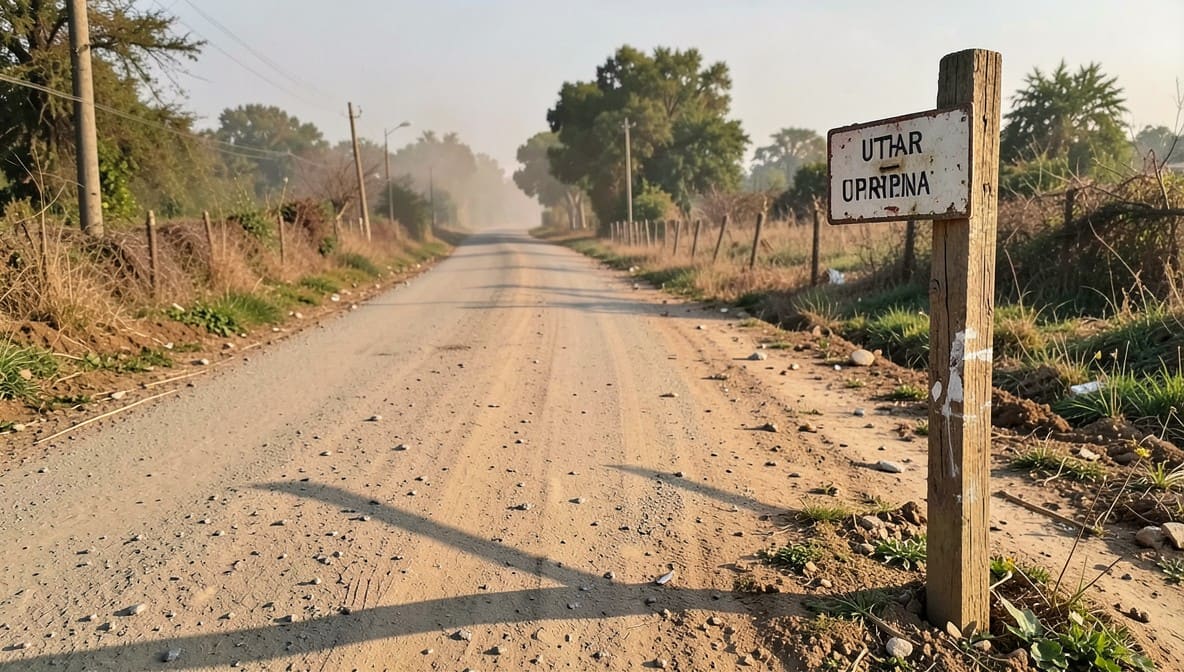
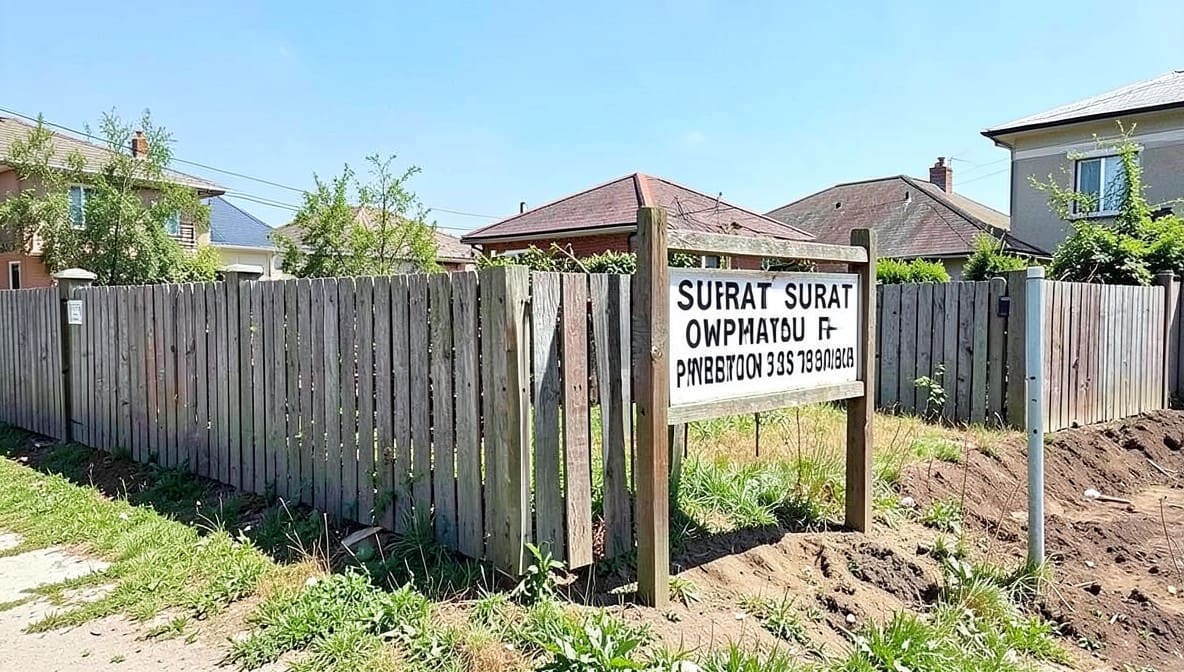
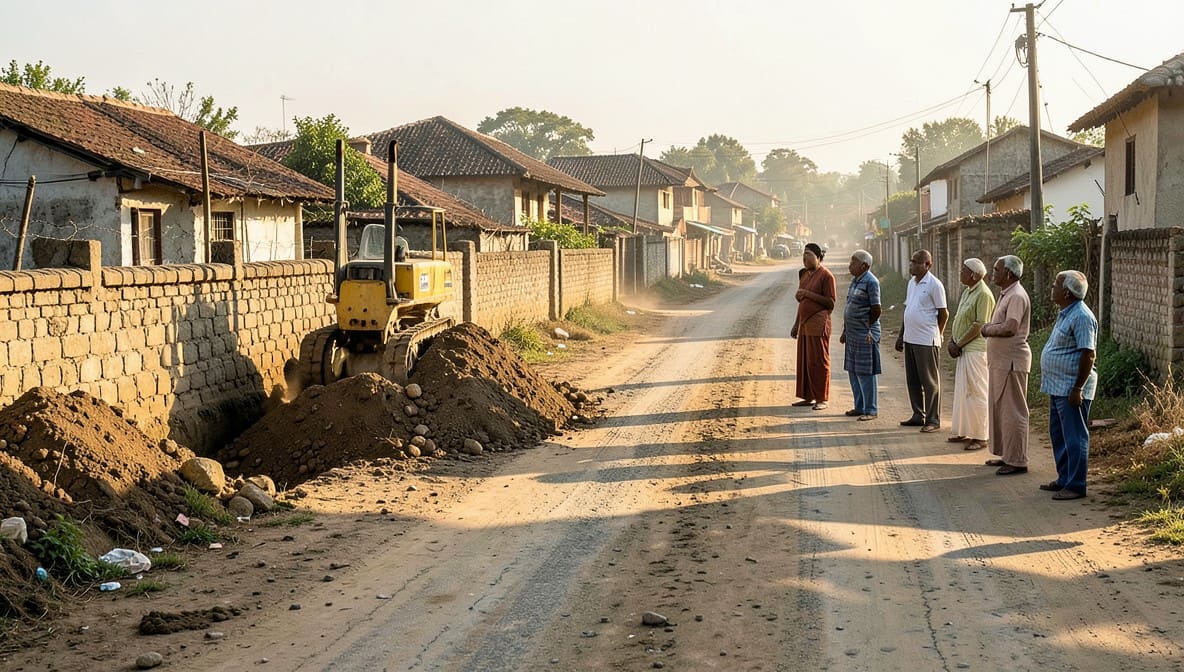
The dispute arose over the construction of a cement road connecting Maremma Temple to Anjaneya Temple in Sidhikeri Village, Gangavati Taluk, Koppal District. The road project, sanctioned by the Town Municipal Council (TMC) and executed by the Public Works Department (PWD), was allotted to contractor Ramamohan Rao. The petitioners, eight agriculturists and a student, are the lawful owners and possessors of land bearing Survey No. 239/*, measuring 15 acres 04 guntas, situated adjacent to the proposed road alignment on its southern side. They alleged that the road construction encroached upon their land without lawful authority.
Key Facts
- The petitioners had been protesting the encroachment since early 2025.
- On 20.08.2025, during road construction, an altercation occurred between the petitioners and individuals associated with the contractor.
- Petitioner No. 2 (Amaresha) sustained a head injury from an iron rod blow and was admitted to hospital.
- On 22.08.2025 at 06:30 p.m., Petitioner No. 2 filed a complaint against the contractor’s workers, including the son of the complainant in the present case, leading to registration of Crime No. 242/2025.
- On 23.08.2025 at 04:00 p.m., a counter-complaint was lodged by the complainant (Yamanurappa) and his son, alleging that the petitioners assaulted them with iron rods and used caste-based abusive language, leading to Crime No. 245/2025.
- A photograph of Petitioner No. 2’s head injury with visible bleeding was submitted and not disputed by the prosecution.
- Photographs of a JCB machine operating near the petitioners’ land were also produced.
- The petitioners filed Original Suit No. 193/2025 before the Principal Civil Judge and JMFC, Gangavati, and Writ Petition No. 104283/2025 before this Court seeking restraint on construction.
- On 19.02.2026, the Assistant Director of Land Records cancelled the Phodi work conducted on 12.12.2025 and ordered a re-survey of the disputed land.
- The High Court had granted an interim order on the writ petition restraining any construction activity on Survey No. 239/*.
- The police filed a ‘B’ final report in Crime No. 242/2025, closing the case against the contractor’s workers.
- Despite the ‘B’ report and the interim order, the police filed a charge sheet in Crime No. 245/2025 against the petitioners.
Procedural History
- 20.08.2025: Alleged incident of altercation during road construction.
- 22.08.2025 at 06:30 p.m.: Complaint filed by Petitioner No. 2 → Crime No. 242/2025 registered.
- 23.08.2025 at 04:00 p.m.: Counter-complaint filed by complainant → Crime No. 245/2025 registered.
- 19.02.2026: Land Records Department ordered re-survey and cancellation of Phodi work.
- 25.03.2025: Writ Petition No. 104283/2025 filed before Karnataka High Court; interim order granted restraining construction on Survey No. 239/*.
- 10.04.2026: Charge sheet filed in Crime No. 245/2025 as Spl. SC/ST Case No. 17/2025.
- 30.04.2026: Criminal Petition No. 105478/2025 filed under Section 482 CrPC / 528 BNSS seeking quashing.
- 07.05.2026: Judgment delivered by Justice Hanchate Sanjeev Kumar.
The Parties' Positions
Petitioners/Accused Nos. 1 to 8: Argued that they were protecting their lawful property from unlawful encroachment. They claimed Crime No. 245/2025 was a retaliatory, fabricated complaint filed after their genuine complaint in Crime No. 242/2025 was dismissed via a ‘B’ report. They submitted documentary evidence of land ownership, interim court orders, photographs of injury and machinery, and the Land Records order.
Respondents (State & Complainants): Contended that the allegations in the FIR and charge sheet disclosed a prima facie case under the Bharatiya Nyaya Sanhita, 2023 and the SC/ST (PoA) Act, 1989. They argued that the filing of a charge sheet itself validated the existence of a prosecutable case.
Relief Sought
The petitioners sought quashing of the entire criminal proceedings in Crime No. 245/2025 (Spl. SC/ST Case No. 17/2025), including all charges under Sections 191(2), 115(2), 189(2), 351(2), 190, 352 of the Bharatiya Nyaya Sanhita, 2023 and Sections 3(1)(s), 3(1)(r), 3(2)(va) of the SC/ST (PoA) Act, 1989, on grounds of abuse of process of court.
The Legal Issue
Whether the initiation of criminal proceedings based on a retaliatory complaint, filed after a genuine complaint by the same parties over a land dispute and following a ‘B’ final report, constitutes an abuse of process of court warranting quashing under Section 482 of the Code of Criminal Procedure?
Arguments Presented
For the Appellant/Petitioner
The petitioners relied on State of Haryana v. Bhajan Lal and Pradeep Kumar Kesarwani v. State of Uttar Pradesh to argue that the complaint in Crime No. 245/2025 was fabricated and retaliatory. They submitted that the delay in lodging the complaint was unexplained and implausible, while the delay in Crime No. 242/2025 was justified by hospitalization. They emphasized that the police ignored the interim court order, conducted a biased investigation, and filed a charge sheet despite the ‘B’ report in the counter-complaint. The petitioners argued that their presence at the site was lawful and defensive, while the presence of the complainant’s associates was aggressive and intentional. They contended that the charge sheet was a product of malice and not a genuine attempt to enforce law.
For the Respondent/State
The State and complainants argued that the charge sheet disclosed a prima facie case under multiple penal provisions, including those relating to assault, criminal intimidation, and atrocities against Scheduled Castes and Tribes. They maintained that the filing of a charge sheet by the police, after investigation, was sufficient to justify continuation of proceedings. They did not dispute the existence of the interim order or the ‘B’ report but contended that these did not legally bar the initiation of a separate case.
The Court's Analysis
The Court undertook a detailed analysis of the genesis of both Crime No. 242/2025 and Crime No. 245/2025, treating them as two sides of the same coin. It noted that the petitioners’ land was the subject of a pending civil suit and a writ petition with an active interim injunction restraining construction. The Court observed that the police, despite this judicial restraint, proceeded to file a charge sheet against the petitioners for protesting the encroachment.
"The presence of the petitioners/accused Nos.1 to 8 is quite natural and genuine, as when there is an allegation of encroachment of land, they were present and protested against the formation of the road by encroaching upon the land of the petitioners/accused Nos.1 to 8. Whereas, the presence of the accused in Crime No.242/2025 is found to be with ill-intentional, being unnatural."
The Court found the delay in lodging Crime No. 245/2025 - three days after the incident and one day after the ‘B’ report in Crime No. 242/2025 - to be suspicious and unexplained. The prosecution’s claim that the complaint was delayed due to community consultation was deemed implausible in light of the immediate hospitalization of Petitioner No. 2 and the prompt filing of Crime No. 242/2025.
The Court applied the four-step test laid down in Pradeep Kumar Kesarwani: (i) the petitioners’ evidence was sound and indubitable; (ii) it directly refuted the allegations in the charge sheet; (iii) the prosecution failed to rebut it; and (iv) allowing the trial would amount to abuse of process. The Court held that the charge sheet was not the product of an impartial investigation but a deliberate attempt to weaponize the criminal justice system against lawful protesters.
The Court further emphasized that the SC/ST (PoA) Act, 1989, while a vital protective statute, cannot be invoked as a tool for retaliation. The allegations of caste-based abuse were not corroborated by any independent evidence and were inconsistent with the documented physical injury sustained by the petitioners.
The Verdict
The petition succeeded. The Court quashed the entire criminal proceedings in Crime No. 245/2025 (Spl. SC/ST Case No. 17/2025) pending before the Additional District and Sessions Judge, Gangavati, for offences under Sections 191(2), 115(2), 189(2), 351(2), 190, 352 of the Bharatiya Nyaya Sanhita, 2023 and Sections 3(1)(s), 3(1)(r), 3(2)(va) of the SC/ST (Prevention of Atrocities) Act, 1989. The Court held that the proceedings were a manifest abuse of process and ordered costs of Rs. 25,000 to be paid by the State to the petitioners within four weeks.
What This Means For Similar Cases
False Retaliatory Complaints Cannot Survive Scrutiny
- Practitioners must now argue that a criminal complaint filed immediately after a ‘B’ report or in response to a genuine complaint by the same parties raises a strong presumption of malice.
- Courts will examine the timing, motive, and evidentiary basis of both complaints in tandem when assessing abuse of process.
Land Disputes Do Not Justify Criminalization
- Protesting unlawful encroachment on one’s land, even with physical resistance, does not automatically constitute an offence under the SC/ST Act or general penal provisions.
- The burden shifts to the prosecution to prove that the protest was not defensive but aggressive and unlawful.
Police Investigations Must Be Impartial
- A charge sheet filed despite a pending court injunction or a ‘B’ report in a related matter is prima facie evidence of biased investigation.
- Courts will not hesitate to quash proceedings where the investigation appears staged to serve private interests rather than public justice.
Judicial Interim Orders Are Binding
- Police and prosecutors cannot ignore interim orders passed by civil or high courts in land disputes.
- Proceeding with criminal action in defiance of such orders constitutes contempt of court and grounds for quashing under Section 482 CrPC.
The SC/ST Act Is Not a Tool for Vengeance
- Allegations under the SC/ST (PoA) Act must be supported by credible, independent evidence.
- Mere assertion of caste-based abuse in the context of a land dispute, without corroboration, will not sustain prosecution.