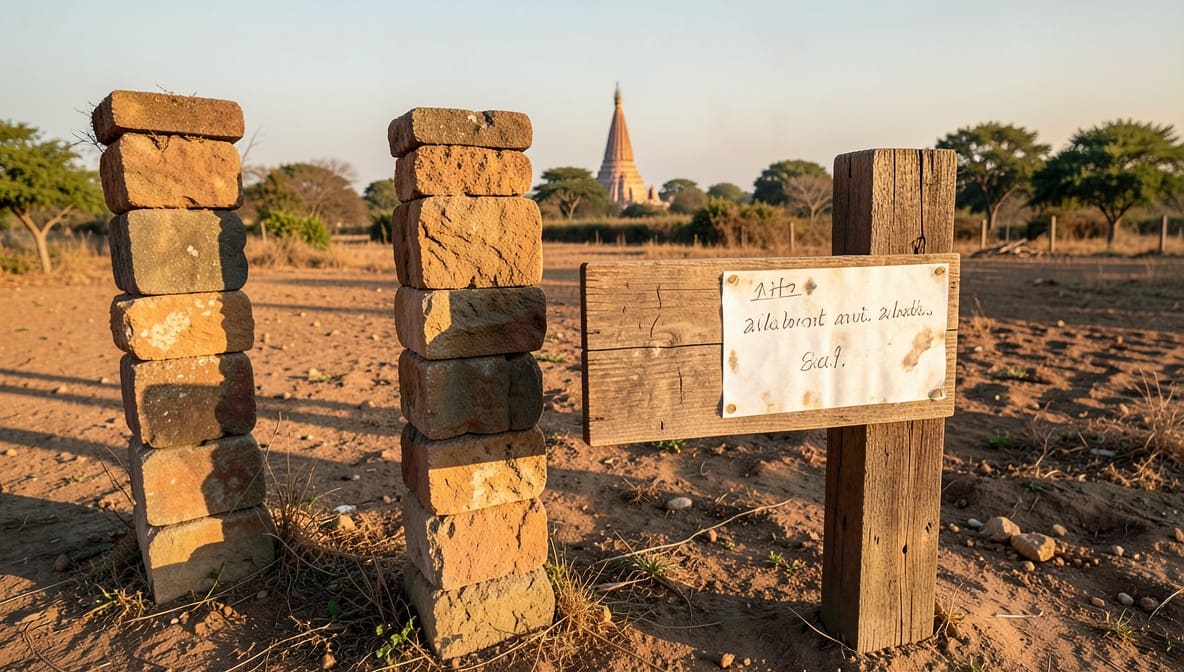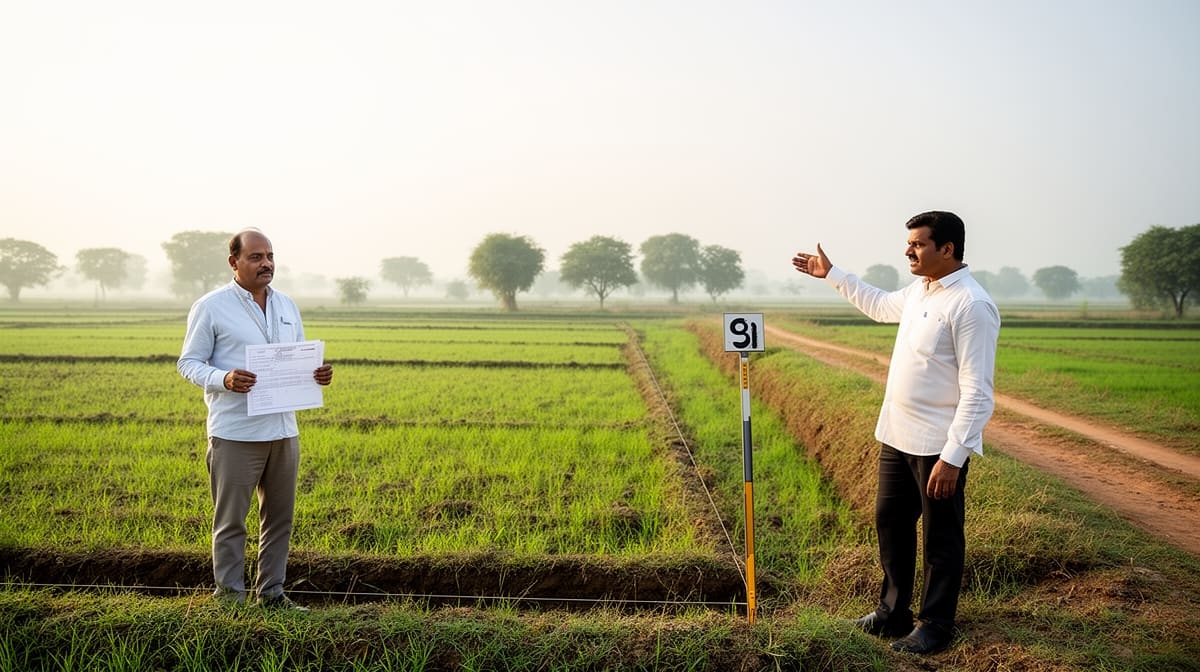
The Allahabad High Court has clarified that proceedings under Section 133 of the CrPC to remove public nuisances are not barred by the pendency of a civil suit, even when the disputed land adjoins private property. The judgment reinforces the state’s authority to protect public access routes on Abadi land, regardless of private claims.
Background & Facts
The Dispute
The petitioners, Ram Govind and four others, sought to set aside two orders: (i) the order dated 27.06.2023 passed by the Sub-Divisional Magistrate (SDM), Sikandra, Kanpur Dehat, in Case No. 3184/2022 (Rajkishore & Others vs. Ram Govind & Others), and (ii) the order dated 09.07.2025 passed by the Additional District & Sessions Judge, Court No. 5, Kanpur Dehat, in Criminal Revision No. 123/2023 (Ram Govind & Others vs. Rajkishore & Others). Both orders declared a passage adjacent to the petitioners’ old house as a public pathway and directed removal of obstructions.
The petitioners claimed that the passage, which lies in front of their dilapidated and vacant house, formed part of their private land and was not a public way. They alleged that the respondents, local residents, falsely claimed the passage as public to justify obstruction removal and to assert public access rights.
Key Facts
- The disputed passage and the appurtenant house are situated on Gata No. 71 Kha, recorded in revenue records as Abadi land.
- The petitioners’ house became dilapidated and was left vacant; they intended to rebuild but had not commenced construction.
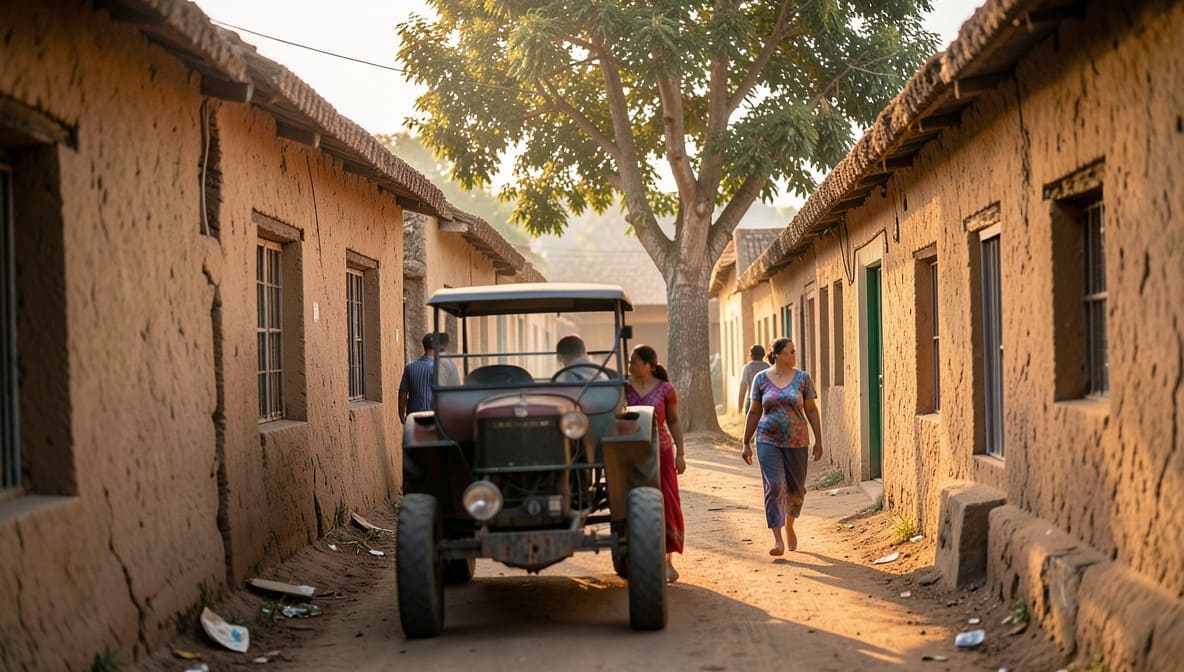
- The respondents, residents of the village, used the passage as a customary route to reach a sacred tree for religious worship (Pooja).
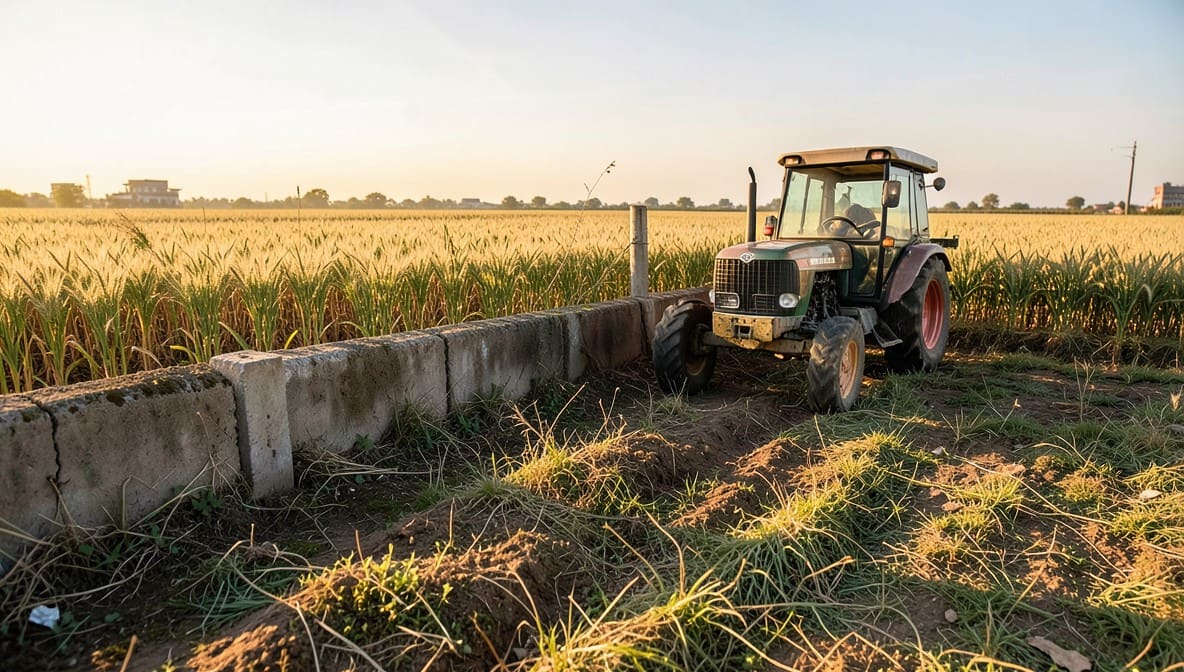
- The petitioners obstructed the passage by parking a tractor-trolley and storing agricultural implements on it.
- A civil suit was filed by the petitioners seeking an injunction against the respondents’ interference with possession of the passage.
- The civil suit was pending at the time proceedings under Section 133 CrPC were initiated.
- The SDM’s order was based on a spot map and local evidence showing consistent public use of the passage by villagers.
Procedural History
- 27.06.2023: SDM, Sikandra, issued order in Case No. 3184/2022 declaring the passage public and directing removal of obstructions.
- 09.07.2025: Additional District & Sessions Judge, Kanpur Dehat, dismissed Criminal Revision No. 123/2023 filed by petitioners, upholding the SDM’s order.
- 2025: Writ Petition under Article 227 filed before the Allahabad High Court (No. 8290 of 2025).
- 25.05.2026: Judgment delivered by the High Court.
The Parties' Positions
Petitioners: Argued that the passage was private, adjacent to their land, and that the respondents had no legal standing to initiate proceedings. They contended that the pendency of the civil suit barred the SDM from entertaining the Section 133 CrPC matter.
Respondents: Maintained that the passage was a traditional public route used by villagers for religious purposes and that the obstruction by the petitioners constituted a public nuisance under Section 133 CrPC.
Relief Sought
The petitioners sought quashing of both impugned orders and restoration of their exclusive right to use and control the passage.
The Legal Issue
The central question was whether the pendency of a civil suit concerning ownership or possession of a passage bars the initiation or continuation of proceedings under Section 133 of the CrPC for removal of a public nuisance.
Arguments Presented
For the Petitioner
Learned counsel for the petitioners relied on Vasant Manga Nikumba and Others v. Baburao Bhikanna Naidu, (1995) Supp (4) SCC 54, arguing that Section 133 CrPC is not meant to adjudicate private title disputes and cannot be used as a substitute for civil remedies. They contended that since a civil suit was pending, the SDM lacked jurisdiction to determine ownership or right of passage, and the order was therefore illegal.
For the Respondent
The Additional Government Advocate (AGA) submitted that Section 133 CrPC is a preventive provision aimed at preserving public order and safety. The respondents established that the passage was used by the general public for religious purposes and that obstruction by the petitioners created a public nuisance. The AGA cited Rani Gupta and Others v. Anurag Jain, 2016:AHC:72755, to argue that the pendency of a civil suit does not preclude proceedings under Section 133 CrPC.
The Court's Analysis
The Court examined the nature of the land in question and the scope of Section 133 CrPC. It noted that the disputed passage and the adjacent house were situated on Gata No. 71 Kha, recorded in revenue records as Abadi land. The Court held that the petitioners had no legal locus to claim ownership over Abadi land, which by definition belongs to the Gram Sabha or the community.
"Section 133(2) of the Cr.P.C., clearly indicates that the pendency of a civil suit does not bar proceedings under Section 133 Cr.P.C."
The Court rejected the petitioners’ reliance on Vasant Manga Nikumba, distinguishing it on facts. While that case cautioned against using Section 133 to settle private title disputes, it did not create an absolute bar where public use and nuisance were established. The Court emphasized that Section 133 CrPC is triggered not by ownership but by the existence of a public nuisance.
The Court further relied on Rani Gupta v. Anurag Jain, which held that the existence of a civil remedy does not oust the criminal jurisdiction under Section 133 CrPC when public interest is involved. The SDM’s findings were supported by a spot map and evidence of consistent public use by villagers for religious purposes. The obstruction by the petitioners through parking and storage of agricultural implements was deemed a clear case of public nuisance.
The Court found no perversity in the findings of the SDM or the Revisional Court. The orders were based on factual evidence of public use and were not an attempt to adjudicate private title.
The Verdict
The petition was dismissed. The orders dated 27.06.2023 and 09.07.2025 were upheld. The petitioners were directed to remove all obstructions from the disputed passage within 30 days. No costs were awarded.
What This Means For Similar Cases
Civil Suits Do Not Automatically Stay Section 133 CrPC Proceedings
- Practitioners must now argue that Section 133 CrPC can proceed even if a civil suit is pending, provided the issue involves public nuisance.
- The pendency of a civil suit is not a jurisdictional bar under Section 133(2) CrPC.
- Courts will examine whether the dispute involves public use, not merely private ownership.
Abadi Land Cannot Be Privately Claimed
- Land recorded as Abadi in revenue records is community land and cannot be claimed as private property.
- Even if a structure stands on Abadi land, the land itself remains subject to public access rights.
- Any obstruction on Abadi land used as a customary passage may be removed under Section 133 CrPC.
Public Use Trumps Private Intent
- The intention to rebuild a house does not confer exclusive rights over adjacent public pathways.
- Customary public use for religious or daily purposes is sufficient to establish a public nuisance under Section 133 CrPC.
- Evidence of consistent community use (e.g., women using the path for Pooja) carries significant weight.