The Delhi High Court clarified that an oral, temporary settlement does not amount to a legal partition, and therefore a suit for partition remains maintainable under Order VII Rule 11 of the CPC despite earlier compromise orders.
Background & Facts
The Dispute
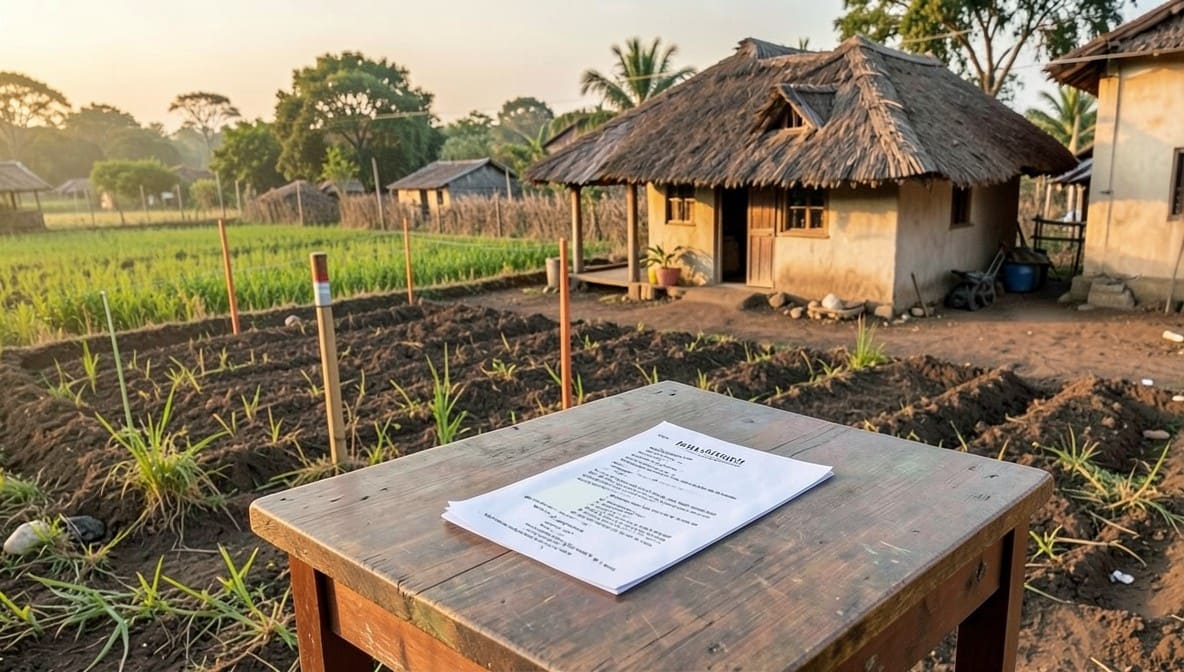
The plaintiff, Sh. Ramesh Kumar, son of the late Sh. Bagga Ram, filed a suit seeking partition of Suit Property No.11/240, Geeta Colony, Delhi (approximately 100 sq. yds.). The property was originally owned by the deceased matriarch, Smt. Jeevan Devi, and was occupied jointly by her children and grandchildren. After her death, the parties lived under an informal arrangement without a formal metes-and-bounds division.
Key Facts
- The deceased left three sons - Sh. Ramesh Kumar, Sh. Krishan Lal Kapoor, and Sh. Kashmiri Lal Kapoor - and two daughters - Smt. Sheelawati and Smt. Raj Kumari.
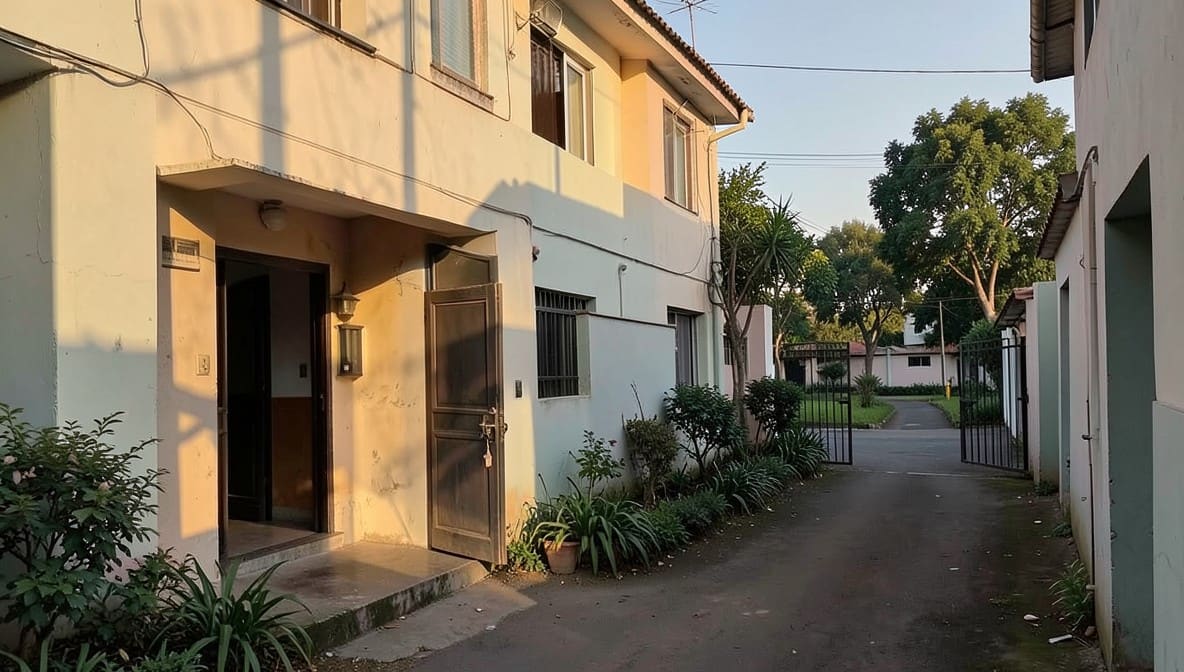
- Plaintiff, Defendant No.1 (Sh. Krishan Lal Kapoor) and Defendant No.2 (Smt. Sheelawati) resided in the front portion of the ground and first floors; Defendant No.3 and No.4 occupied the rear portions.
- An oral settlement was reached whereby the parties agreed to occupy specific portions, but no formal partition deed was executed.
- Defendant No.1 filed Civil Suit No.27/2002 for partition, which was dismissed on 07.11.2003 by compromise.
- The plaintiff’s own suit for partition was dismissed on 16.10.2006, relying on the same compromise.
- Defendant No.1 obtained a permanent injunction in Karkardooma Court (Suit No.378/10/07) on 30.07.2015, restraining the plaintiff from alienating the roof of the first floor and directing removal of a lock.
- The plaintiff alleges that the lock placed by Defendant No.1 on the ground-floor entrance obstructs his egress to the first floor.
Procedural History
- 29.07.2019: Summons issued in the present suit.
- 07.11.2003: Civil Suit No.27/2002 dismissed by compromise.
- 16.10.2006: Plaintiff’s earlier partition suit dismissed, relying on the compromise decree.
- 30.07.2015: Permanent injunction granted to Defendant No.1 in Karkardooma Court (Suit No.378/10/07).
- 23.07.2003: Statements recorded by parties acknowledging oral agreement.
- 10.08.2026: Court reserved judgment on maintainability of the present suit.
- 07.10.2026: List before Court for framing of issues.
- 24.08.2026: Judgment delivered.
Parties' Positions
- Plaintiff (Sh. Ramesh Kumar): Argues that the oral settlement is temporary, the property has not been formally divided by metes and bounds, and therefore a fresh partition suit is necessary.
- Defendants (Sh. Krishan Lal Kapoor & Ors.): Contend that the earlier compromise and injunction effectively partitioned the property, making the present suit barred under Order VII Rule 11 CPC.
Relief Sought
The plaintiff seeks a formal decree of partition of the entire suit property, with a precise demarcation of each party’s share and an injunction restraining the defendants from obstructing his right of ingress and egress.
The Legal Issue
Whether the present suit for partition of Suit Property No.11/240, Geeta Colony, Delhi is maintainable under Order VII Rule 11 of the Civil Procedure Code, given the existence of prior compromise orders and an injunction that allegedly effected a partition.
Arguments Presented
For the Plaintiff
- The plaintiff relied on the principle that an oral, temporary arrangement does not constitute a legal partition; therefore, the cause of action remains viable.
- Cited M/s. Ramesh v. Smt. Laxmi (Delhi HC) that a compromise without a formal deed cannot extinguish the right to seek partition.
- Emphasised that the earlier compromise orders expressly limited the parties to “use” certain portions and did not demarcate boundaries by metes and bounds.
For the Defendants
- The defendants argued that the compromise decree of 07.11.2003 and the subsequent order of 16.10.2006 settled the dispute, rendering any further suit barred under Order VII Rule 11 CPC.
- Relied on State Bank of India v. M/s. Kedia (SC) that a compromise, once recorded, bars re-litigation of the same cause of action.
- Asserted that the injunction of 30.07.2015 permanently settled the rights over the roof and the entrance, removing the plaintiff’s grievance.
The Court's Analysis
The Court first examined the nature of the compromise decree dated 07.11.2003 and the order of 16.10.2006. It observed that both orders referred only to a “temporary arrangement” and expressly avoided any demarcation of the property by metes and bounds. The Court noted that the parties continued to occupy overlapping portions and that disputes over ingress and egress persisted, indicating that the compromise had not effected a legal partition.
"The parties will be continued to be bound by the compromise entered into the Suit being CS(OS) No.1143/2005 by which the parties are living in the respective properties."
The Court further held that Order VII Rule 11 CPC bars a suit only when the cause of action is wholly extinguished or when the plaintiff has no substantive right left to enforce. Here, the plaintiff retained a substantive right to a formal partition because the earlier settlement was merely oral and did not allocate specific shares by metes and bounds. The Court distinguished State Bank of India v. M/s. Kedia on the ground that the latter involved a definitive settlement of the entire dispute, whereas the present case involved only a provisional, non-binding arrangement.
Consequently, the Court concluded that the present suit is not barred by Order VII Rule 11. It directed that issues be framed and the suit proceed to trial, rejecting the defendants’ contention that the matter was already settled.
The Verdict
The Delhi High Court dismissed the defendants’ application to strike out the suit. It held that the plaintiff’s cause of action remains viable, ordered that issues be framed on 07.10.2026, and allowed the partition suit to continue. No monetary award or injunction was granted at this stage.
What This Means For Similar Cases
Oral Settlements Do Not Substitute Formal Partition
- Parties must execute a deed or court-approved decree that clearly demarcates shares; otherwise, a fresh partition suit remains maintainable.
- Lawyers should advise clients to obtain written, metes-and-bounds agreements to avoid re-litigation.
Order VII Rule 11 Requires Complete Extinction of Cause
- A compromise that leaves any substantive right unaddressed does not bar a subsequent suit.
- Courts will scrutinise the language of the compromise to determine whether it effectually settled the dispute.
Injunctions Do Not Preclude Partition Claims
- Even where an injunction restrains certain acts, the underlying right to partition may survive.
- Practitioners should distinguish between injunction relief and the substantive right to partition when drafting pleadings.
Practical Checklist for Practitioners
- Verify whether the compromise includes a clear metes-and-bounds description.
- Ascertain if any residual rights (e.g., ingress, egress) remain contested.
- Draft pleadings to emphasise the incompleteness of prior settlements.
- Anticipate defendants’ reliance on Order VII Rule 11 and prepare statutory counter-arguments.