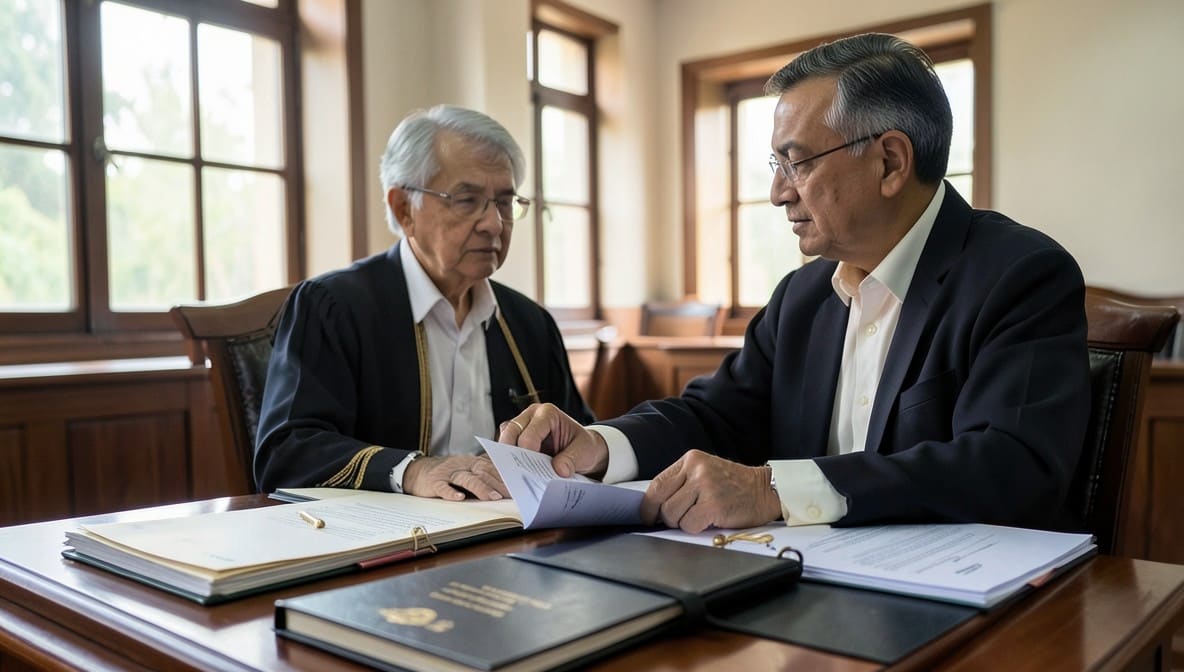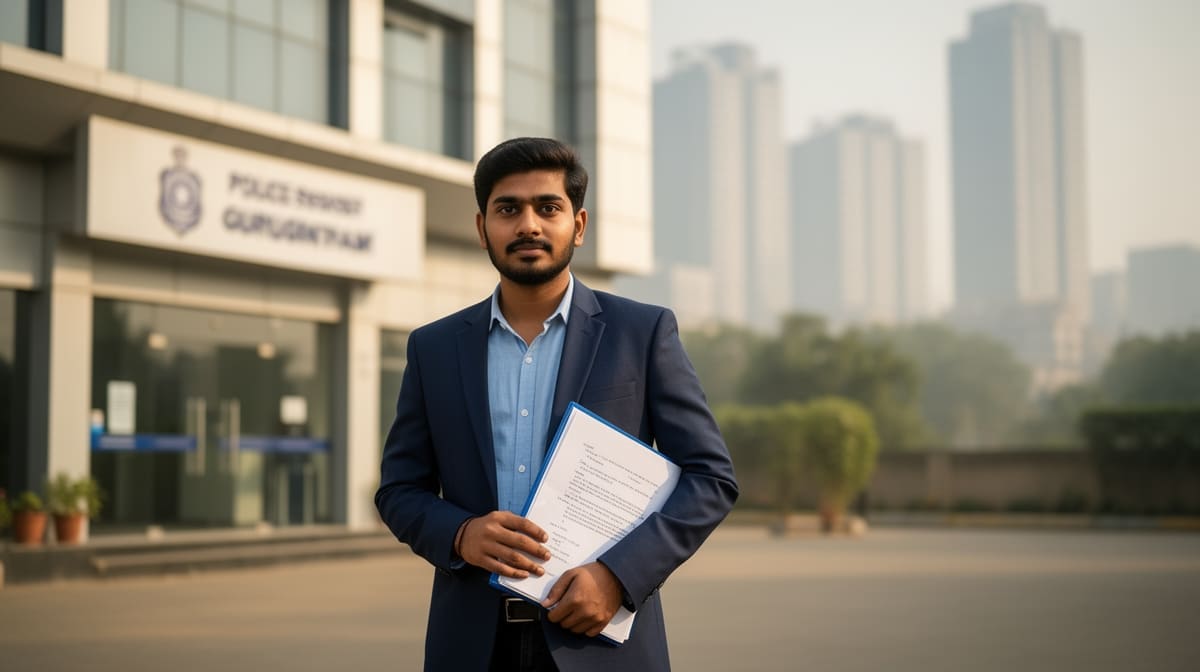
The Punjab and Haryana High Court has affirmed that interim bail may be made absolute when the accused has not misused the concession, has cooperated with the trial, and has taken concrete steps toward victim restitution. This decision reinforces the principle that bail is the rule and jail the exception, particularly where financial redress to victims has been secured.
Background & Facts
The Dispute
The petitioner, Sanjeev Kumar @ Birbal, is accused in FIR No. 71 dated 26.06.2024, registered at Police Station Maur, District Bathinda, under Sections 420, 406, and 120-B of the Indian Penal Code. The complaint, filed by Balvir Singh, alleges that the petitioner and co-accused defrauded more than 150 persons by promising plot allotments in a proposed colony, collecting crores of rupees without delivering any land.
Key Facts
- The alleged fraud occurred between 2020 and 2024, involving false representations about land development
- Over 150 individuals were reportedly victimized, with financial losses ranging from Rs. 50,000 to Rs. 10 lakh per person
- The investigation led to the arrest of the petitioner on 21.10.2024
- A chargesheet was filed and charges framed by the trial court
- The petitioner was denied regular bail by the Additional Sessions Judge, Bathinda, on 27.01.2025
- The petitioner was granted interim bail by the High Court on 26.03.2025
- On 19.03.2026, the High Court directed the petitioner to deposit Rs. 1 crore with the trial court for distribution among victims
- The petitioner complied with the order and deposited Rs. 1 crore on or before 19.03.2026
- The trial court was directed to disburse the amount among 98 identified victims as per their respective shares
- The petitioner has appeared before the trial court regularly since being granted interim bail
- No complaint or allegation of bail misuse has been filed against the petitioner during the interim bail period
Procedural History
- 26.06.2024: FIR No. 71 registered at Police Station Maur, Bathinda
- 21.10.2024: Petitioner arrested
- 27.01.2025: Additional Sessions Judge, Bathinda, denied regular bail
- 26.03.2025: High Court granted interim bail to petitioner
- 19.03.2026: High Court directed deposit of Rs. 1 crore with trial court for victim compensation
- 19.03.2026: Petitioner deposited Rs. 1 crore with trial court
- 30.04.2026: High Court makes interim bail absolute
Relief Sought
The petitioner sought conversion of his interim bail into regular bail, arguing that he had not misused the interim concession, had deposited Rs. 1 crore for victim compensation as directed, and had fully cooperated with the trial process.
The Legal Issue
The central question was whether interim bail granted in a serious economic offence involving multiple victims may be made absolute when the accused has deposited substantial compensation for victims, has not misused bail, and has complied with all court directions.
Arguments Presented
For the Petitioner
Learned Senior Advocate Dr. Anmol Rattan Sidhu submitted that the petitioner had fully complied with the High Court’s directive dated 19.03.2026 to deposit Rs. 1 crore for victim compensation. He emphasized that the petitioner had appeared before the trial court without fail since interim bail was granted on 26.03.2025 and had no record of non-appearance or misconduct. He relied on the principle that bail is the rule and jail the exception, and that the deposit of compensation demonstrates genuine remorse and willingness to make amends.
For the Respondent
The State counsel, Mr. K.D. Sachdeva, D.A.G., opposed the prayer for regular bail on the grounds that the offence involved large-scale cheating of over 98 victims and was serious in nature. However, he conceded that there was no allegation or evidence of the petitioner misusing interim bail. He did not oppose the continuation of bail but reiterated that the compensation amount must be disbursed strictly as per the court’s order.
The Court's Analysis
The Court observed that the petitioner had not only complied with the court’s directive to deposit Rs. 1 crore for victim compensation but had done so promptly and without delay. The Court noted that the deposit was not a mere formality but a substantive step toward restitution, which is a critical factor in bail jurisprudence for economic offences.
"There being no adverse record concluding that the petitioner has misused the concession of interim bail, thus, in the facts and circumstances of the present case, the interim bail granted to the petitioner vide order dated 26.03.2025 is made absolute."
The Court emphasized that the absence of any complaint or report of bail violation during the nearly 13-month period of interim bail was significant. It held that the petitioner’s conduct demonstrated respect for judicial process and a commitment to the trial’s integrity. The Court further clarified that the deposit of compensation did not amount to an admission of guilt but was a procedural step toward justice for victims.
The Court also dismissed the pending application CRM-12955-2026 seeking modification of the 19.03.2026 order as infructuous, since the deposit had been made and the disbursement process was underway.
The Verdict
The petitioner succeeded. The High Court made the interim bail granted on 26.03.2025 absolute. The petitioner’s existing surety and bail bonds are deemed valid and shall remain in force until the final disposal of the trial. The petitioner is directed to appear before the trial court whenever required and to comply with all directions issued during the trial. The Rs. 1 crore deposited on 19.03.2026 shall be disbursed among the 98 victims as per the trial court’s direction. No expression of opinion on the merits of the case was made.
What This Means For Similar Cases
Compensation Deposit Can Strengthen Bail Claims
- Practitioners should advise accused in economic offences to proactively deposit compensation or security amounts as directed by courts
- Such deposits, even if not court-ordered, may be presented as evidence of good faith and reduce the perceived flight risk
- Courts are more likely to grant or continue bail where restitution is demonstrably underway
No Misuse = Strong Grounds for Absolute Bail
- Absence of bail violations during interim bail is a decisive factor
- Courts will not require perfect conduct but will look for consistent compliance and absence of misconduct
- Any allegation of misuse must be specific and documented; mere suspicion is insufficient
Interim Bail Is Not a Temporary Concession but a Continuum
- Interim bail should not be treated as a provisional status to be revoked at the slightest provocation
- Where conditions are met and conduct is compliant, conversion to regular bail is a logical and just outcome
- This judgment reinforces that bail decisions must be dynamic, adapting to the accused’s conduct and efforts toward remediation