The Kerala High Court has reaffirmed that criminal magistrates lack jurisdiction to adjudicate private civil disputes over easement rights, even when framed as public nuisance claims. This judgment clarifies the boundaries between civil remedies and criminal procedural powers under the CrPC, offering critical guidance to practitioners navigating overlapping jurisdictional claims.
Background & Facts
The Dispute
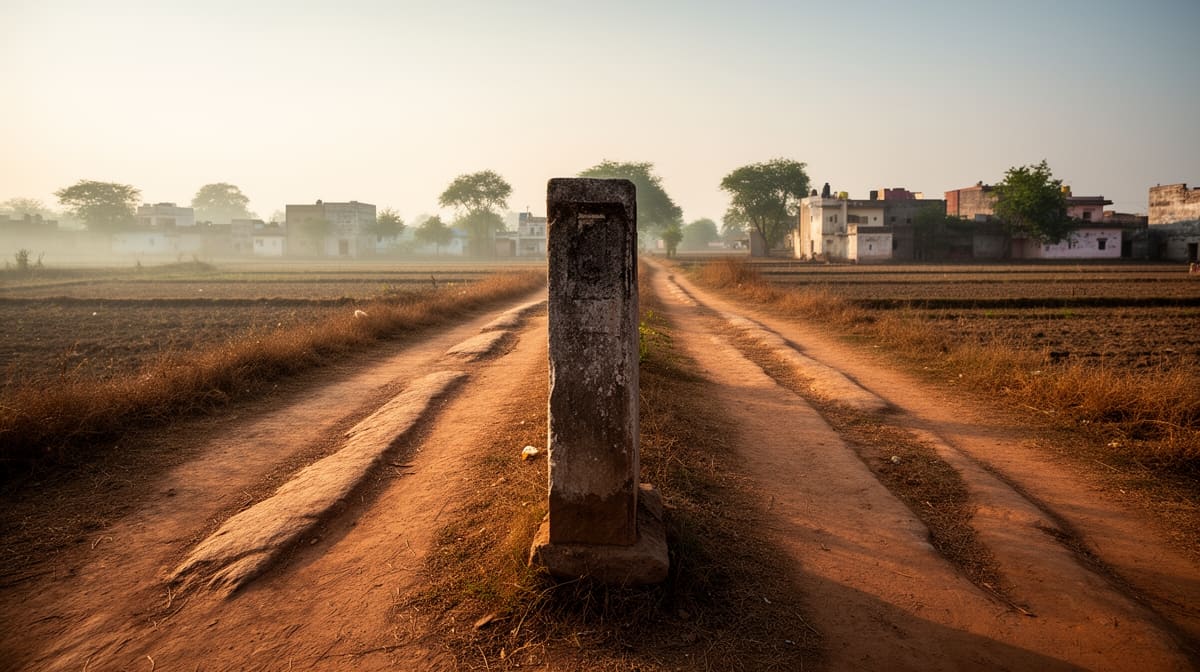
A natural drainage channel, historically used to carry excess water from the Sreeparvathy Parameswara Temple pond, flowed through privately owned land belonging to the petitioner, K.P. Narayanan Nambiar. The temple priest, the first respondent, alleged that the petitioner had filled and obstructed this channel, causing waterlogging and damage to temple property. The petitioner denied any illegal obstruction and asserted that the channel was never a legally recognized public or easement right.
Procedural History
- 2010: The temple authorities filed a civil suit (O.S. No. 127/2010) in the Munsiff’s Court seeking an injunction to maintain the drainage channel; an injunction was granted against third parties, but not against the petitioner.
- 2014: The temple priest filed a complaint (Annexure-A2) before the Sub Divisional Magistrate (RDO), Thalassery, invoking Section 133(1) CrPC seeking removal of obstruction.
- 2014: The petitioner’s wife filed a criminal complaint (Crime No. 716/2014) against the priest and others for trespass and criminal damage under Sections 427, 447, 506(i) r/w Section 34 IPC.
- 2015: The Sub Divisional Magistrate issued a conditional order (Annexure-A4) directing the petitioner to restore the channel within 10 days.
- 2018: After the petitioner filed a written reply (Annexure-A3), the Magistrate passed a final order (Annexure-A5) under Section 138 CrPC, making the conditional order absolute without recording evidence.
- 2019: The petitioner filed a petition under Section 482 CrPC to quash Annexure-A5.
Relief Sought
The petitioner sought quashing of the final order under Section 138 CrPC, arguing that the Magistrate had no jurisdiction to decide a private civil easement dispute and had failed to follow mandatory procedural requirements under Section 137 CrPC.
The Legal Issue
The central question was whether a Sub Divisional Magistrate can invoke Section 138 CrPC to enforce a private right of easement over privately owned land, and whether the Magistrate is obligated to conduct a full evidentiary hearing as required under Section 137 CrPC when the affected party appears and shows cause.
Arguments Presented
For the Petitioner
The petitioner’s counsel argued that the dispute was purely civil in nature, involving a claim of easement over private property. They emphasized that the temple authorities had never established the existence of the drainage channel in revenue records or through a registered title. The Magistrate’s reliance on a Village Officer’s report and site inspection, without recording evidence under Section 137 CrPC, violated the mandatory procedure under Section 138(1). They cited State of U.P. v. Krishna Kumar to argue that Section 133 CrPC cannot be used to determine private rights.
For the Respondent
The first respondent contended that the drainage channel was a long-standing natural feature essential for temple operations and that the obstruction caused public nuisance. They relied on a prior order by the District Collector in 2010, which had directed removal of obstructions, to argue that the Magistrate’s order was consistent with prior administrative findings. They argued that the Magistrate’s site inspection and reports were sufficient to establish the obstruction.
The Court's Analysis
The Court held that the nature of the right claimed by the temple authorities was unequivocally a private easement, not a public right or nuisance under Section 133 CrPC. The absence of any entry in revenue records or registration with local authorities confirmed that the claim was not a public or statutory right.
"The fact that the aforesaid right claimed by the first respondent... was a private right of easement, is further revealed from the statement in Annexure-A2 complaint about the institution of O.S.No.127/2010 before the Munsiff's Court..."
The Court emphasized that Section 138(1) CrPC mandates that when a person against whom a Section 133 order is made appears and shows cause, the Magistrate "shall take evidence in the matter as in a summons case." The petitioner had filed a written reply (Annexure-A3), triggering this obligation. Yet, the Magistrate failed to record any evidence, examine witnesses, or afford the parties an opportunity to present testimony.
The Court further noted that the District Collector’s earlier order was irrelevant, as the petitioner was not a party to those proceedings. Similarly, the civil suit did not include the petitioner as a defendant, meaning no adjudication on his rights had occurred. The Magistrate’s attempt to resolve a civil dispute through criminal procedure was an abuse of power.
The Court concluded that Section 138 CrPC cannot be used as a substitute for civil litigation. The proper forum for determining easement rights is the Civil Court, and procedural lapses under Section 137 render the order void.
The Verdict
The petitioner won. The Kerala High Court quashed Annexure-A5 order dated 31.01.2018 under Section 138 CrPC, holding that the Sub Divisional Magistrate lacked jurisdiction to adjudicate a private easement dispute and had violated mandatory procedural requirements under Section 137 CrPC.
What This Means For Similar Cases
Magistrates Cannot Resolve Civil Easement Claims
- Practitioners must challenge any Section 133/138 CrPC order that seeks to determine private land rights without a civil adjudication
- File Section 482 CrPC petitions where magistrates attempt to decide title, easement, or boundary disputes
- Argue that Section 133 CrPC applies only to public nuisance, not private property rights
Procedural Compliance Under Section 137 Is Non-Negotiable
- If the affected party files a written reply, the Magistrate must conduct a full summons-case hearing
- Failure to record evidence renders the final order under Section 138 void ab initio
- Site inspections and officer reports cannot substitute for sworn testimony or cross-examination
Civil Remedies Prevail Over Criminal Procedure in Property Disputes
- Always verify whether the dispute involves title, easement, or possession - these are civil matters
- Do not rely on administrative or police reports as conclusive proof in criminal proceedings
- Use Section 482 CrPC to quash orders that encroach on civil court jurisdiction