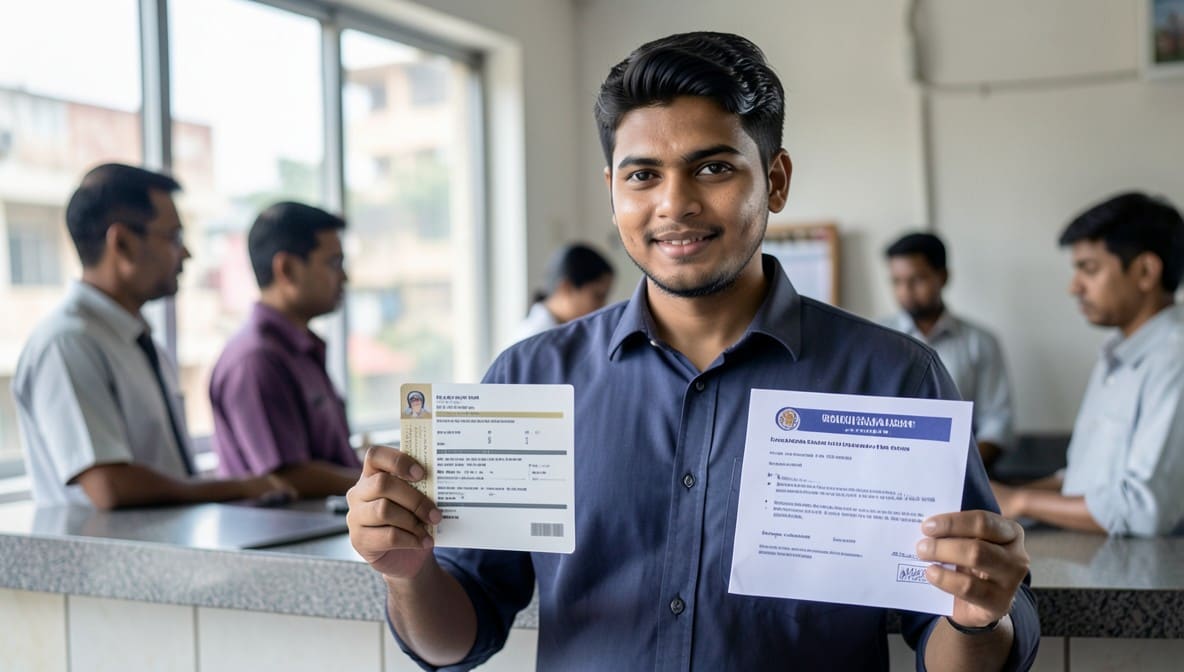
The Himachal Pradesh High Court quashed an adverse Police Verification Report (PVR) that incorrectly recorded a woman born in India as a foreign national, directing authorities to issue a fresh verification report compliant with Section 3 of the Citizenship Act, 1955. The court affirmed that birth within Indian territory between 26 January 1950 and 1 July 1987 confers citizenship by birth, rendering passport denial based on conflicting PVRs illegal.
Background & Facts
The Dispute
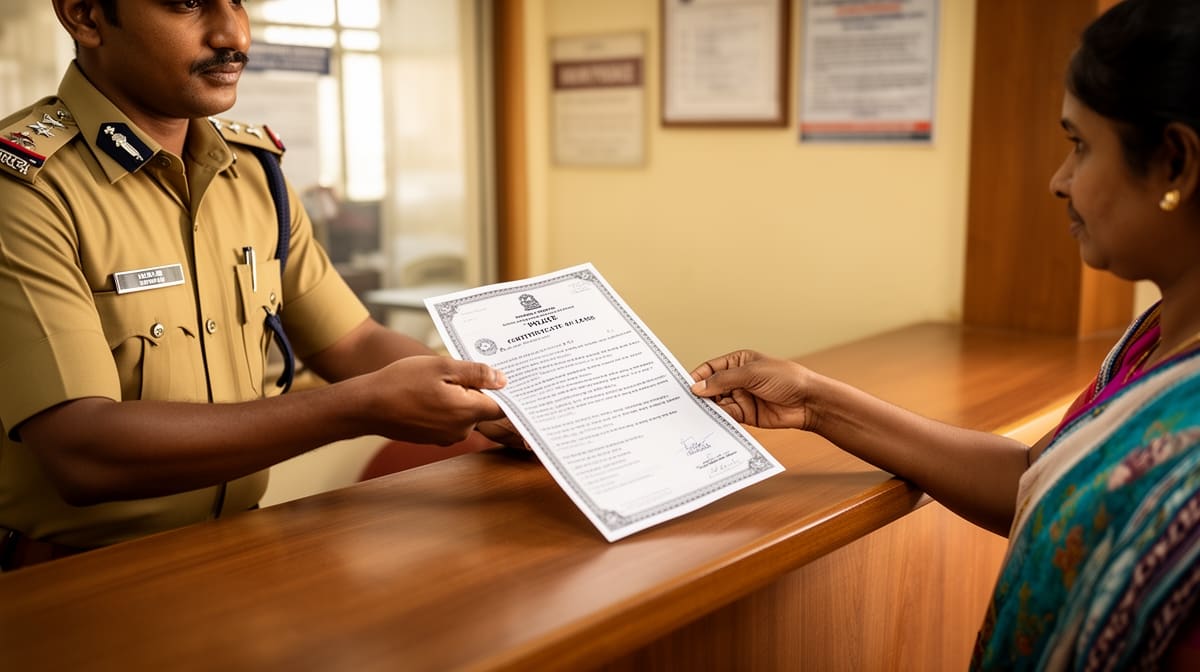
The petitioner, Smt. Shitla Devi, challenged the denial of her passport application on the ground that a Police Verification Report (PVR) erroneously recorded her as a Nepali national despite her birth certificate proving Indian birth.
Key Facts
- The petitioner was born on 03.05.1972 at Village Patlikuhl, Mohal Bari, Manali, Kullu, Himachal Pradesh, as per birth certificate issued by Registrar, Birth and Death, Gram Panchayat Hallan-II (Annexure P-1)
- Her father is Sh. Bachan Singh and she is married to Sh. Bachan Singh; her son is Sh. Rajesh, S/o Sh. Bachan Singh
- On 02.07.2025, the Sub Divisional Magistrate, Manali, District Kullu issued a communication stating that the Deputy Commissioner, Kullu was apprised that the petitioner and her son Rajesh are permanent residents of Nepal and residing as tenants of Sh. Maan Chand, S/o late Sh. Krishan Lal, Village and Post Office Patlikuhl
- On 29.11.2024 (Annexure R-4/5), police conducted verification wherein Pradhan, Gram Panchayat Hallan categorically stated that the petitioner and her son Rajesh are permanent residents of Village and Post Office Patlikuhl, Tehsil Manali, District Kullu and are citizens of India
- The petitioner’s passport application was rejected by the Passport Authority based on the PVR recording her as a Nepali national
- The petitioner annexed her birth certificate (Annexure P-1) and other documents (Annexures P-2 to P-8) to prove her Indian birth and citizenship
Procedural History
- The writ petition (WP No. 15664 of 2025) was filed before the High Court of Himachal Pradesh seeking reliefs including quashing the adverse PVR, directing correction of records, and expeditious passport issuance
- Pursuant to notice issued in the petition, Respondents Nos. 2, 3 and 4 filed replies refuting the petitioner’s claim of Indian nationality on the basis of the PVR
- The Passport Authority had rejected the petitioner’s passport application on the basis of the adverse PVR
Relief Sought
The petitioner prayed for:
- A writ of Certiorari or appropriate writ quashing the adverse Police Verification Report (PVR) regarding her citizenship
- A writ of Mandamus or appropriate writ directing respondents to correct/rectify the PVR to record her as an Indian citizen by virtue of her birth in India on 03.05.1972
- Direction to Respondent No. 5 (Regional Passport Officer, Shimla) to process and issue her passport expeditiously without being influenced by the erroneous PVR
- Direction to respondents to produce the entire record pertaining to her passport applications, including impugned PVRs and correspondence, for judicial examination
The Legal Issue
The central question was whether an adverse Police Verification Report recording a person as a foreign national can override a birth certificate proving birth within Indian territory for the purpose of passport issuance under Section 3 of the Citizenship Act, 1955.
Arguments Presented
For the Petitioner
The petitioner, through Mr. Arsh Chauhan, Advocate, argued that her birth certificate (Annexure P-1) issued by the competent authority conclusively proves her birth in Village Patlikuhl, Manali on 03.05.1972, which falls within the period 26 January 1950 to 1 July 1987, thereby conferring citizenship by birth under Section 3(1)(a) of the Citizenship Act, 1955. It was contended that the Passport Authority’s reliance on the PVR, which contradicted the birth certificate, was illegal and violative of statutory mandate. The petitioner emphasized that the PVR dated 02.07.2025 from the Sub Divisional Magistrate was unreliable as it was based on hearsay from Pradhan and Up-Pradhan of Gram Panchayat Hallan-II, whereas the birth certificate is a contemporaneous official record.
For the Respondent
The respondents, represented by Mr. Rajan Kahol & Mr. Vishal Panwar, Additional Advocates General and Mr. Ravi Chauhan & Mr. Anish Banshtu, Deputy Advocates General, contended that the Passport Authority was entitled to rely on the PVR submitted by the State authorities, which recorded the petitioner as a Nepali national based on information from local officials. They argued that the petitioner had not sufficiently proved her Indian citizenship and that the State’s verification report deserved primacy in determining nationality for passport purposes.
The Court's Analysis
The Court began by noting the petitioner’s birth certificate (Annexure P-1) showing birth on 03.05.1972 in Village Patlikuhl, Mohal Bari, Manali, Kullu, Himachal Pradesh. It then examined Section 3 of the Citizenship Act, 1955, which governs citizenship by birth. The Court highlighted Section 3(1)(a), which states that every person born in India on or after 26th January 1950 but before 1st July 1987 shall be a citizen of India by birth, subject to certain exceptions not applicable here.
The Court observed: "Admittedly, in the case at hand, date of birth of the petitioner is 03.05.1972 and as such, for all intents and purposes, she can be said to be citizen of India." It further noted that once birth within Indian territory during the specified period is established, citizenship by birth is automatic under the Act, and no subsequent verification can negate this status.
Regarding the conflicting reports, the Court acknowledged the PVR dated 29.11.2024 (Annexure R-4/5) where the Pradhan stated the petitioner and her son are Indian citizens residing in Patlikuhl, but emphasized that the birth certificate is the paramount evidence. The Court held: "there cannot be otherwise any impediment in considering the prayer made by the petitioner for issuance of passport" once Indian birth is proven.
The Court found no fault in the Passport Authority’s initial reliance on the PVR but directed that any fresh verification must specifically take note of Section 3 of the Citizenship Act, 1955. It reasoned that authorities cannot ignore a valid birth certificate in favor of contradictory police reports, especially when the birth certificate is issued by a competent authority and pertains to a fact (place of birth) that is determinative of citizenship under the statute.
The Verdict
The petitioner succeeded. The Court set aside the adverse Police Verification Report recording the petitioner as a Nepali national and directed the respondent-State to issue a fresh Police Verification Report regarding the petitioner’s character and residence within a period of two weeks. The Court expressly directed that authorities concerned, while processing the passport application, must specifically take note of Section 3 of the Citizenship Act, 1955. The present petition was disposed of along with any pending applications.
What This Means For Similar Cases
Birth Certificate Is Conclusive Proof of Citizenship by Birth
- A birth certificate issued by a competent authority proving birth in India between 26 January 1950 and 1 July 1987 is definitive evidence of citizenship under Section 3(1)(a) of the Citizenship Act, 1955
- Passport authorities cannot deny applications based solely on contradictory Police Verification Reports when such a birth certificate exists
- The burden shifts to the State to disprove citizenship only if the birth certificate is challenged as fraudulent or invalid
Police Verification Must Align With Statutory Citizenship Rules
- Any verification report concerning nationality must expressly consider the relevant provisions of the Citizenship Act, 1955
- Authorities must reconcile conflicting reports by prioritizing documentary evidence (like birth certificates) over oral statements from local officials
- Fresh verification reports directed by courts must include specific reference to the applicable citizenship provisions to prevent recurrence of errors
Passport Denial Requires Statutory Basis, Not Administrative Convenience
- Denial of passport on nationality grounds must be rooted in a clear violation of citizenship law, not mere administrative preference for one report over another
- Courts will intervene when executive action ignores statutory citizenship criteria in favor of unverified or contradictory police inputs
- The remedy is not merely compensation but correction of the administrative record to reflect legal citizenship status